
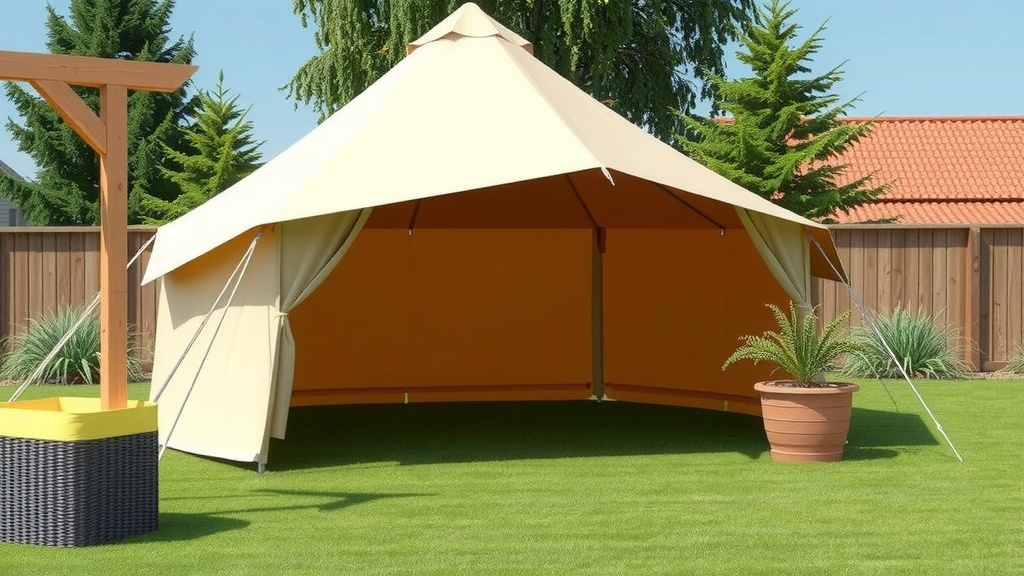
Oxford Cloth vs Cotton Canvas Tent: Which Is Best
When choosing between an oxford cloth tent and a cotton canvas tent, know that oxford cloth generally offers better water resistance and is lighter. Cotton canvas provides superior breathability and a more traditional camping feel. Your best choice depends on your priorities for weight, weather protection, and comfort.
Both materials are popular for their durability, but they behave differently in various conditions. We found that cotton canvas tents are known for their excellent ventilation, reducing condensation inside. Oxford cloth, often treated, excels in keeping rain out and is easier to pack and carry on longer trips.
- Oxford cloth is lighter and more water-resistant.
- Cotton canvas offers better breathability and less condensation.
- Canvas feels more like a traditional tent.
- Oxford cloth is often more budget-friendly. Oxford cloth is often more budget-friendly, making it an accessible option.
- Consider your camping style and priorities when deciding.
Let’s dive into the specifics of each material to help you make the perfect choice for your next adventure.
Oxford Cloth vs. Cotton Canvas: Which Tent Material is Right for You?
When you’re eyeing a new tent, the fabric is a huge part of the equation. Two materials often pop up: oxford cloth and cotton canvas. They sound similar, but they offer pretty different camping experiences. We’ve looked into what makes each one tick, and your choice really boils down to what you value most on your trips.
Are you looking for something that can handle a downpour without a fuss? Or do you dream of a tent that feels like a breathable, cozy cabin in the woods? We found that understanding the unique properties of each fabric will help you sleep soundly under the stars, knowing you made the best choice for your adventures.
Understanding Oxford Cloth Tents
Oxford cloth is a modern favorite for a reason. It’s often made from synthetic materials like polyester or nylon. These fibers are woven in a way that gives the fabric its distinctive look and feel. Think of a dress shirt – that’s often an oxford weave!
What is Oxford Cloth Made Of?
Most often, you’ll find oxford cloth tents constructed from polyester or nylon. These synthetic materials are known for their strength and durability. They are also lightweight, which is a big plus for backpackers or anyone who has to carry their gear a long distance.
Performance Features of Oxford Cloth
One of the biggest draws of oxford cloth is its natural water resistance. Even before any coatings are applied, the weave itself helps shed water. Many oxford cloth tents also come with special DWR (Durable Water Repellent) coatings. These treatments make water bead up and roll right off, keeping you dry. Many oxford cloth tents also come with special DWR coatings for enhanced water resistance.
We found that this material is also really resistant to stretching and shrinking. This means your tent will hold its shape, even when exposed to different temperatures and humidity levels. That’s a win for tent longevity!
Water Resistance and Breathability
While oxford cloth is naturally good at repelling water, its breathability can be a bit lower than cotton. This is because synthetic fibers don’t absorb moisture the way natural fibers do. However, many tents are designed with mesh panels to help with ventilation. We found that good ventilation is key to preventing condensation inside your tent.
Weight and Packability
If you’re counting ounces, oxford cloth is your friend. It’s significantly lighter than cotton canvas. This makes it much easier to pack into a backpack or carry on shorter hikes. Tents made from oxford cloth also tend to pack down smaller, saving precious space in your gear.
Durability and Maintenance
Despite being lightweight, oxford cloth is surprisingly strong. It holds up well to general wear and tear. Cleaning is usually straightforward; a simple wipe-down with soap and water is often all you need. It also dries relatively quickly, which is a huge convenience.
Exploring Cotton Canvas Tents
Cotton canvas tents evoke a sense of nostalgia. They’ve been the go-to for campers for generations. This material offers a unique camping experience that many people adore. It’s known for its ruggedness and a very traditional feel.
The Nature of Cotton Canvas Fabric
Canvas is a plain-woven fabric, typically made from 100% cotton. The threads are tightly woven, creating a strong and durable material. Historically, it was used for sails, tents, and tarpaulins because of its toughness. Think of it as the original outdoor fabric.
Key Characteristics of Canvas Tents
Canvas has a reputation for being incredibly breathable. This means that moisture vapor can pass through the fabric. This property is fantastic for reducing condensation inside your tent. When you exhale, moisture escapes easily. Many campers love this feature for a more comfortable night’s sleep.
Breathability and Condensation Control
Many camping experts highlight canvas’s superior breathability. We found research indicating that cotton canvas tents generally experience less internal condensation compared to synthetic tents (National Park Service). This is because cotton naturally wicks away moisture. It’s like having a tent that breathes with you.
Weight and Portability
Let’s be upfront: cotton canvas is heavy. When it gets wet, it becomes even heavier. This makes canvas tents less ideal for backcountry trips where every ounce counts. They are best suited for car camping or base camps where you don’t need to move your tent often.
Durability and Longevity
A well-maintained canvas tent can last for decades. Cotton canvas is incredibly resilient and can withstand rough weather. However, it does require more care. It needs to be properly dried before storage to prevent mildew and mold. We found that proper care is non-negotiable for canvas longevity.
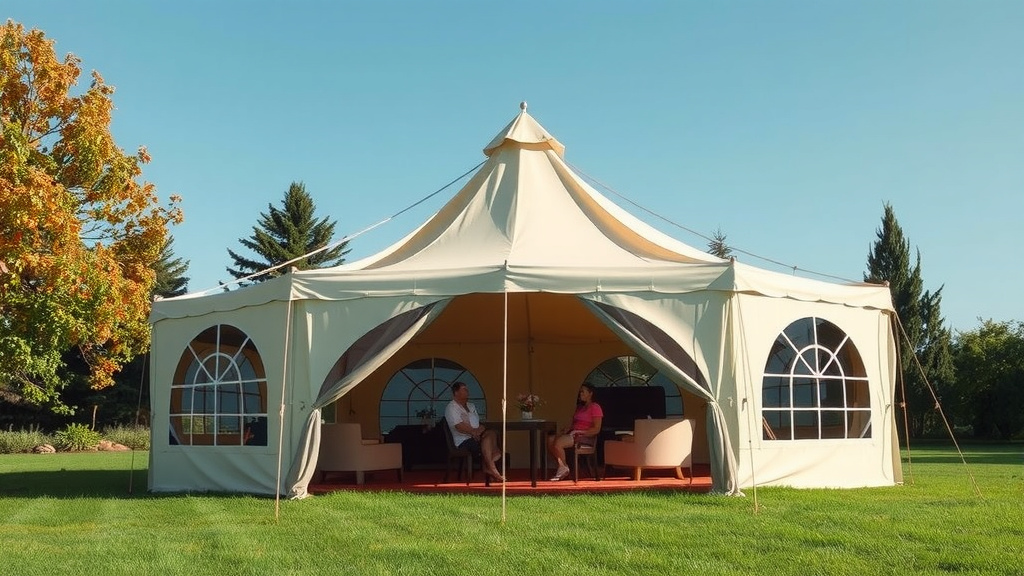
Direct Comparison: Oxford Cloth vs. Cotton Canvas
Let’s put these two materials head-to-head. You’ll see how they stack up in areas that matter most to campers. We’ve compiled the key differences to make your decision easier.
| Feature | Oxford Cloth Tent | Cotton Canvas Tent |
|---|---|---|
| Weight | Lightweight | Heavy |
| Water Resistance | Excellent (often treated) | Good (can be treated) |
| Breathability | Moderate (relies on ventilation) | Excellent |
| Condensation | Higher potential | Lower potential |
| Durability | Very good | Excellent (with proper care) |
| Packability | Excellent | Poor |
| Maintenance | Low | High (requires drying) |
| Feel/Aesthetics | Modern, synthetic | Traditional, cozy |
| Price | Often more budget-friendly | Generally more expensive |
Performance in Different Weather
For rainy conditions, oxford cloth often has an edge, especially with good coatings. The water just rolls off. Canvas can handle rain well too, but if it gets saturated, it takes longer to dry. In hot, humid weather, canvas shines due to its breathability. It feels much cooler and less stuffy inside.
Longevity and Care Requirements
Both materials can last a long time. Oxford cloth is pretty forgiving. You can often just rinse it off and let it air dry. Canvas, however, demands more attention. You must ensure it’s completely dry before packing it away. Failing to do so can lead to mildew, which is tough to remove and can damage the fabric.
Making Your Final Choice
So, which one is calling your name? It really depends on your camping style and what you prioritize. Do you hike long distances? Are you worried about weight? Then oxford cloth is likely your winner. If you’re a car camper who loves that classic, breathable feel and doesn’t mind a bit more upkeep, canvas might be your perfect match.
Your Camping Needs Checklist
To help you decide, think about these points:
- How much weight are you willing to carry?
- Do you camp in mostly dry or wet conditions?
- How important is preventing condensation to you?
- What’s your budget for a tent?
- How much time are you willing to spend on tent maintenance?
- What kind of camping vibe are you going for?
We found that considering these questions will point you clearly toward the material that best suits your next outdoor escape.
Conclusion
You’ve learned the key differences between oxford cloth and cotton canvas tents. Oxford cloth offers a lightweight, water-resistant choice for those on the move. Cotton canvas provides superior breathability for a classic, comfortable camping experience. Your ideal tent depends on your priorities: weight, weather, and how you like to camp. Think about your usual trips and gear limitations. Make your choice based on what will best serve your adventures and bring you the most comfort outdoors. Now, go get ready for your next great escape!
Frequently Asked Questions
Can I use an oxford cloth tent in heavy rain?
Yes, oxford cloth tents, especially those with DWR coatings, perform very well in rain. Their weave and treatments help water bead off. You should still ensure all seams are properly sealed for maximum protection.
Is cotton canvas really that heavy for camping?
Cotton canvas is significantly heavier than oxford cloth, especially when wet. We found it’s best suited for car camping where weight isn’t a major concern. Backpackers usually opt for lighter synthetic materials.
How do I prevent condensation in an oxford cloth tent?
Proper ventilation is key. Open windows and vents as much as weather permits. Many oxford cloth tents include mesh panels to aid airflow. Avoid touching the tent walls inside, as this can transfer moisture.
What’s the best way to clean a cotton canvas tent?
For general cleaning, a soft brush and cool water usually suffice. Always ensure the tent is completely dry before storing it to prevent mildew. Avoid harsh detergents, as they can damage the fabric’s natural water resistance.
Which material is generally more expensive, oxford cloth or cotton canvas?
Cotton canvas tents are typically more expensive upfront than oxford cloth tents. This reflects the material cost and often the craftsmanship involved. However, a well-cared-for canvas tent can last for many years.
![7 Best Backpacking Tents [2026]](https://leonardhomeoutdoor.com/wp-content/uploads/2026/06/7-best-backpacking-tents-2026-featured-768x432.jpg)

![7 Room Tent [2026]](https://leonardhomeoutdoor.com/wp-content/uploads/2026/08/7-room-tent-2026-featured-768x432.jpg)