Hammock vs Tent: Which is Best for Backpacking
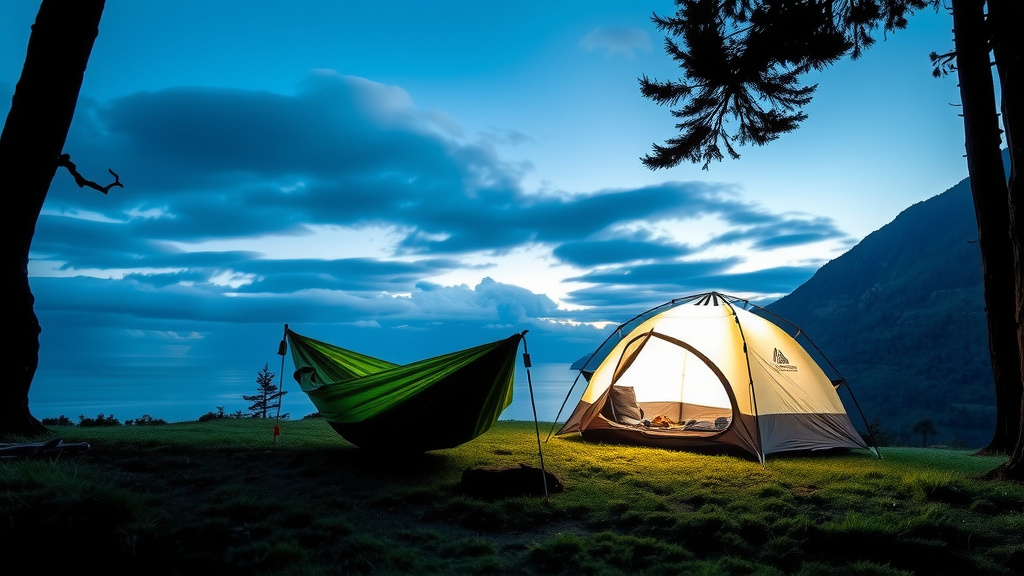
Deciding between a hammock versus tent for your next backpacking trip really comes down to your personal priorities and where you plan to camp. While tents offer more versatile protection from bugs and weather, hammocks provide a unique, lightweight sleeping experience off the ground. We found that neither is definitively “better”; the right choice depends on your comfort needs and the typical conditions you’ll encounter.
Think about it: are you most concerned with staying dry during a downpour, or do you crave that weightless feeling of sleeping among the trees? Many backpackers find that a tent is a more all-around solution for varied terrains and unpredictable weather. On the other hand, if your trips often involve finding suitable trees and you prioritize a minimalist setup, a hammock might be your perfect companion.
- Tents offer better all-weather protection and privacy. Our comparison of camping tents versus backpacking tents explains how tents offer better all-weather protection.
- Hammocks are lighter and great for tree-filled campsites.
- Consider your typical trip locations and expected weather.
- Hammock camping requires trees; tent camping is more location-flexible.
- Both have pros and cons for sleeping comfort and bug protection.
Let’s break down the key differences and help you figure out which one will make your next adventure a dream. We’ll cover what each setup is best suited for.
Choosing Your Backpacking Shelter: Hammock vs. Tent
Deciding whether a hammock or a tent is right for your backpacking trips involves looking at a few key factors. We found that comfort, weight, protection, and location all play a big role. Each shelter type has its own set of advantages, and what works best for one person might not be ideal for another.
Weight and Packability
When you’re carrying everything on your back, every ounce counts. Hammocks generally win in the weight department. A complete hammock setup, including suspension and a bug net, can often be lighter than a two-person backpacking tent. This can make a big difference on long treks.
Tents, especially those designed for backpacking, are also made to be lightweight. However, you’re typically carrying poles, stakes, and the tent body itself. We found that the overall packed size for a hammock setup is often smaller too, freeing up valuable space in your backpack.
Comfort and Sleep Quality
This is where personal preference really shines. Many hammock campers swear by the unique sleeping experience. Sleeping off the ground can feel like you’re floating. It often leads to fewer pressure points, which some find leads to a more restful sleep.
On the other hand, tents offer a more traditional sleeping surface. You can use your favorite sleeping pad for added comfort. Some people find the feeling of being enclosed in a tent more secure. We found that adjusting your sleep position in a hammock can take some practice, but many get used to it quickly.
Protection from the Elements and Pests
When it comes to dealing with bugs and bad weather, tents usually have the upper hand. Tents provide a fully enclosed space. This means better protection from crawling insects, mosquitoes, and rain. They also offer more privacy.
Hammocks often require separate accessories for full protection. A bug net is essential for buggy areas. A tarp or rainfly is crucial for staying dry during rain. While these can be very effective, they add weight and complexity. We found that a well-pitched tarp can keep you dry, but it might not be as foolproof as a tent in severe storms.
Bug Protection Comparison
For hammocks, bug nets are often built-in or attachable. They create a barrier around you. This keeps most crawling and flying insects out. However, you need to be careful when getting in and out to avoid letting them sneak in.
Tents have integrated mesh panels and zippered doors. These offer a solid defense against bugs. You can zip yourself in for peace of mind. We found that both can offer excellent bug protection when used correctly.
Weather Protection Comparison
Tents are designed to withstand various weather conditions. They offer a sturdy barrier against wind and rain. Many are built with waterproof floors and fly fabrics. This keeps the inside dry and cozy.
Hammock camping relies heavily on the rainfly. A good tarp can shed a lot of rain. However, wind-driven rain can sometimes blow underneath the tarp. We found that while hammocks can be comfortable in mild rain, tents often provide superior protection in harsher conditions.
Where Will You Be Camping?
Your typical camping environment is a major deciding factor. The availability of suitable anchor points for a hammock is critical. Tents offer more flexibility in where you can set up camp.
Campsites for Hammocks
Hammock camping requires trees. You need at least two sturdy trees spaced appropriately apart. The terrain between the trees also matters. You want a relatively flat spot if possible, especially if you plan to use a ground pad inside your tarp.
This means if you’re backpacking through open plains, deserts, or rocky alpine areas, a hammock might not be an option. We found that finding suitable trees can sometimes be a challenge, especially in popular or heavily managed campsites.
Campsites for Tents
Tents are much more versatile. You can set them up on almost any relatively flat surface. This includes dirt, grass, sand, and even some rocky ground with the right footprint. This freedom allows you to camp in a wider variety of locations.
You don’t need to worry about finding specific anchor points. This makes tents a great choice for spontaneous stops or areas where trees are scarce. We found that tent camping opens up more possibilities for campsite selection.
| Feature | Hammock | Tent |
|---|---|---|
| Weight | Lighter on average | Heavier on average |
| Packability | More compact | Bulkier |
| Comfort | Unique, pressure-point free | Traditional, customizable |
| Bug Protection | Requires separate net | Integrated |
| Weather Protection | Relies on tarp, can be exposed | Fully enclosed, more robust |
| Campsite Needs | Requires two trees | Needs flat ground |
The “Third Place” Problem
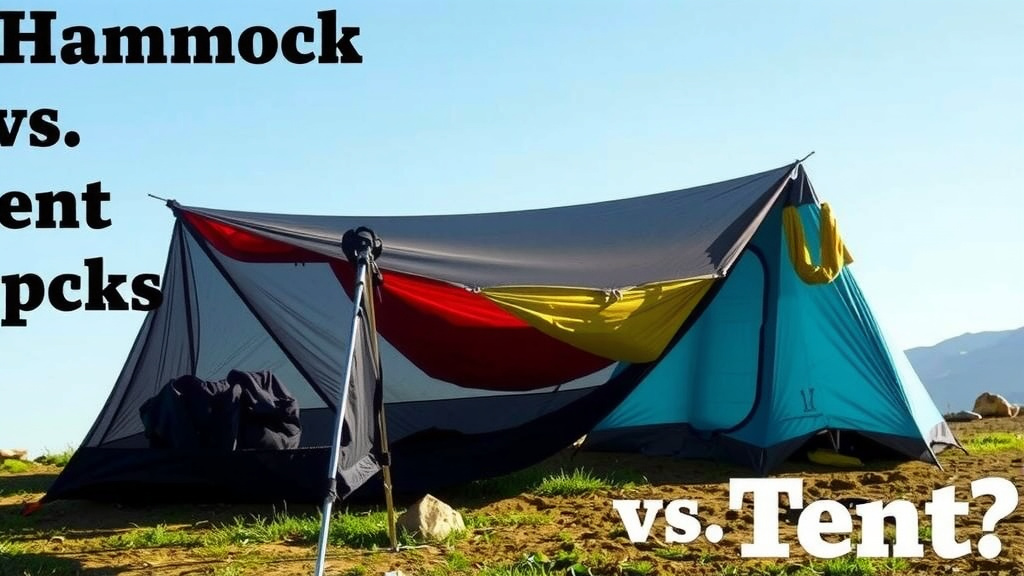
Sometimes, even with a hammock, you might need a place to cook or sit out a brief shower where you’re not directly in your hammock. This is sometimes called the “third place.” Many hammock campers use their rain tarp as this space.
Tents inherently provide this covered area. The vestibule, the space outside the main tent door but under the fly, is perfect for storing gear or cooking. We found that this extra protected space can be very convenient in a tent.
Making Your Final Decision
So, how do you pick? Consider your personal needs and your typical backpacking adventures. Think about what bothers you most: carrying extra weight, dealing with bugs, or not having a guaranteed flat spot?
Who Should Choose a Hammock?
You might love a hammock if you prioritize low weight. If your trips often take you through wooded areas, you’ll have the trees you need. If you enjoy a unique sleeping experience and don’t mind a slight learning curve for setup, a hammock could be your perfect match.
Many experienced hammock campers find them incredibly comfortable and lightweight. We found that for fair-weather trips in the right environment, they offer a fantastic way to sleep.
Who Should Choose a Tent?
A tent is likely your best bet if you need versatile shelter. If you camp in diverse terrains or face unpredictable weather, a tent offers more reliable protection. If you value a secure, enclosed space and ease of setup on any ground, you’ll probably be happier with a tent.
Tents are often the go-to for beginners because they are straightforward. We found that for most backpackers, especially those who haven’t settled on a specific type of trip yet, a tent provides the most dependable and flexible shelter.
A Quick Checklist for Your Choice:
- Do you often backpack in forests?
- How important is the absolute lightest pack weight?
- Do you need guaranteed bug-free sleep?
- How much do you value privacy?
- What kind of weather do you typically encounter?
- Are you comfortable with a bit of a learning curve for setup?
Ultimately, both shelters can provide a great night’s sleep in the backcountry. Understanding their strengths and weaknesses will help you make the choice that best suits your adventure style. We found that many backpackers even end up owning both!
Conclusion
Deciding between a hammock and a tent for backpacking boils down to your personal preferences and where your adventures typically take you. We’ve seen that hammocks offer a lightweight, off-the-ground experience ideal for wooded areas, while tents provide more versatile protection in varied terrains and weather. Consider your need for bug protection, weatherproofing, and the comfort of a traditional sleeping surface. Ultimately, the best shelter is the one that allows you to rest well and enjoy your time outdoors. Your next step is to think about your past trips and those you dream of, and choose the shelter that fits those plans best!
Frequently Asked Questions
Is a hammock really lighter than a tent for backpacking?
Yes, generally speaking, a complete hammock setup can be lighter than a comparable two-person backpacking tent. When you factor in the hammock, suspension, bug net, and rain tarp, it often weighs less than a tent, poles, and stakes. This weight savings can be very appealing for long-distance hikers.
Can you sleep comfortably in a hammock all night?
Many backpackers find hammocks incredibly comfortable once they get used to them. The feeling of sleeping suspended can reduce pressure points. However, some people prefer the feel of a flat sleeping surface, and it can take a little practice to find the perfect sleeping position in a hammock.
Are hammocks safe to use in bad weather?
Hammocks can be used in bad weather, but they rely heavily on a good rain tarp or fly. While a well-pitched tarp can keep you dry, it might not offer the same level of protection against wind-driven rain or severe storms as a fully enclosed tent. Tents typically provide more robust weather defense.
What if there are no trees where I want to camp with a hammock?
If your backpacking routes don’t consistently feature suitable trees, a hammock might not be the most practical choice. While some people use trekking poles to create freestanding setups, this adds weight and complexity. For areas without trees, a tent is a much more flexible option.
Do you need special gear to make a hammock work for backpacking?
Yes, you’ll need more than just the hammock itself. Essential accessories for backpacking include a suspension system to hang the hammock, a bug net to keep insects out, and a rain tarp or fly for protection from precipitation. These items contribute to the overall weight and setup of your hammock system.
![7 Best Overland Rooftop Tent [2026]](https://leonardhomeoutdoor.com/wp-content/uploads/2026/09/7-best-overland-rooftop-tent-2026-featured-768x432.jpg)
![7 Best Hot Tent Stove For Backpacking [2026]](https://leonardhomeoutdoor.com/wp-content/uploads/2026/08/7-best-hot-tent-stove-for-backpacking-2026-featured-768x432.jpg)
![7 Best Budget Camping Tents [2026]](https://leonardhomeoutdoor.com/wp-content/uploads/2026/08/7-best-budget-camping-tents-2026-featured-768x432.jpg)
![7 -Person Hammock Tent [2026]](https://leonardhomeoutdoor.com/wp-content/uploads/2026/08/7-person-hammock-tent-2026-featured-768x432.jpg)