
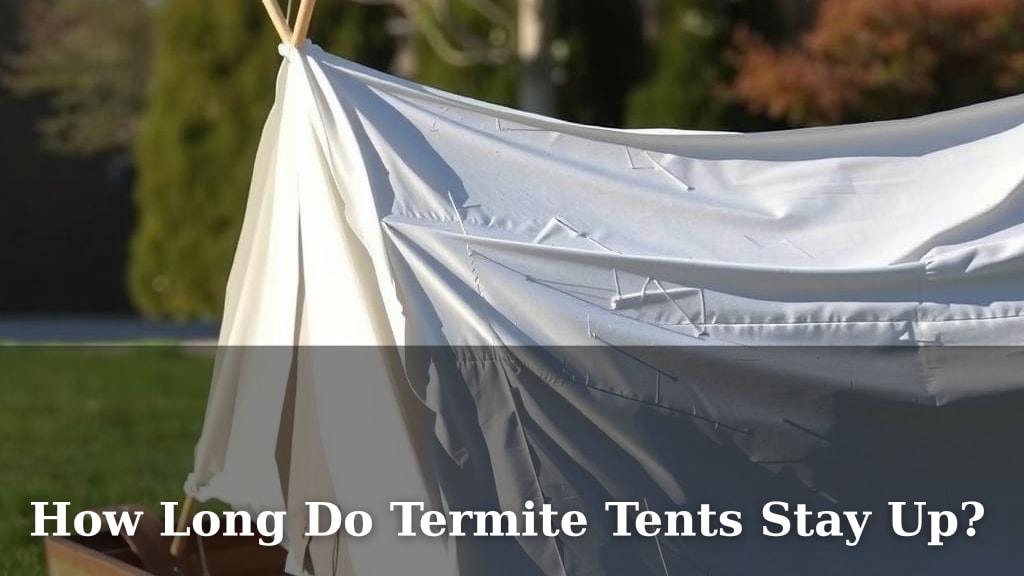
How Long Do Termite Tents Stay Up?
A termite tent typically stays up for about 2 to 5 days, depending on the size of your home and the specific fumigation company’s methods. This is the standard timeframe needed to effectively eradicate termites from your entire house.
The tenting process, also known as fumigation, involves covering your home with a large tarp. This allows a gas to circulate throughout, reaching every nook and cranny. It’s a highly effective treatment that many pest control professionals recommend for severe termite infestations.
- Termite tents usually stay up for 2-5 days.
- This time allows fumigation gas to reach all termites.
- Factors like home size can affect the duration.
- The process is designed for complete eradication.
Let’s walk through exactly what you can expect during this termite treatment process.
Understanding Your Termite Fumigation Timeline
So, your home needs a termite tenting? It might seem like a big deal to have your house wrapped up like a present. But understanding the timeline helps ease your mind. We found that most termite tents stay up for about two to five days. This timeframe is not arbitrary. It’s carefully calculated to make sure the fumigation gas does its job effectively.
Why Does Tenting Take So Long?
Termites are sneaky. They can hide in tiny cracks and crevices. The fumigation gas needs time to penetrate every single hiding spot. This includes areas deep within your walls, in the attic, and even under the foundation. The longer the gas circulates, the better the chance of reaching and killing all the termites. Many pest control professionals explain this is key to preventing re-infestation.
Factors Influencing Tent Duration
While two to five days is the general rule, a few things can shift this number. Think of it like baking a cake; some might need a little longer in the oven. The size of your home is a big one. Larger homes naturally require more time for the gas to fully permeate all spaces. Smaller homes might be tented for a shorter period.
Home Size Matters
A cozy bungalow will likely need less time than a sprawling estate. The pest control company considers the square footage and the complexity of the structure. They want to ensure total coverage. We found that smaller homes might be ready in just 24-48 hours. Larger, more complex homes could take the full five days.
Type of Termite and Infestation Severity
Different termite species also play a role. For instance, drywood termites might be treated differently than subterranean termites. The severity of the infestation is another factor. If termites have spread extensively, the fumigation might need to be extended slightly. This ensures no survivors are left behind to start a new colony. Experts often suggest this extended treatment for widespread damage.
The Chemical Gas Used in Fumigation
The gas used is usually sulfuryl fluoride. It’s a potent fumigant that is highly effective against termites. This gas is odorless and colorless. It’s introduced into the tented structure. Once inside, it disperses and kills termites on contact. It’s also designed to break down quickly after the treatment is complete. This ensures your home is safe to re-enter.
What Happens During the Tenting Process?
Before the tent goes up, there’s a bit of preparation. Your pest control team will give you a checklist. This usually involves moving food, plants, and pets out of the house. You’ll also need to vacate the premises for the entire duration. We discovered that this is the most critical step for your family’s safety.
The Tenting Day
On the day of fumigation, the technicians will carefully wrap your entire home in large tarps. These tarps create a sealed environment. This allows the fumigant gas to build up to the necessary concentration. It’s like creating a giant, temporary greenhouse for your house. They will also secure any openings. This ensures the gas stays contained.
The Waiting Game: Life Outside Your Home
While the tent is up, you and your family will need to stay elsewhere. This includes pets! They are very sensitive to the fumigant. Many people use this time to visit family, stay in a hotel, or even take a short vacation. We found that planning this disruption in advance makes the process much smoother. Think of it as a forced, short-term home renovation break.
Your Pre- and Post-Fumigation Checklist
Here’s a quick look at what you’ll likely need to do:
- Pack essentials: Bring clothes, toiletries, medications, and important documents.
- Remove food: All food items must be removed or sealed in special bags provided by the company.
- Protect sensitive items: Certain items might need special bagging or removal.
- Notify neighbors: Some companies will inform neighbors about the fumigation.
- Prepare for re-entry: Follow the company’s instructions for airing out your home.
When Can You Go Back Home?
After the designated tenting period, technicians will remove the tarps. They then ventilate the structure thoroughly. This process removes the fumigant gas. They use specialized equipment to measure the gas levels. Your home is only declared safe to re-enter when these levels are well below safety thresholds. This is a critical safety measure. The pest control company will give you the all-clear. Typically, this is after about 24 hours of airing out the house, but it varies.
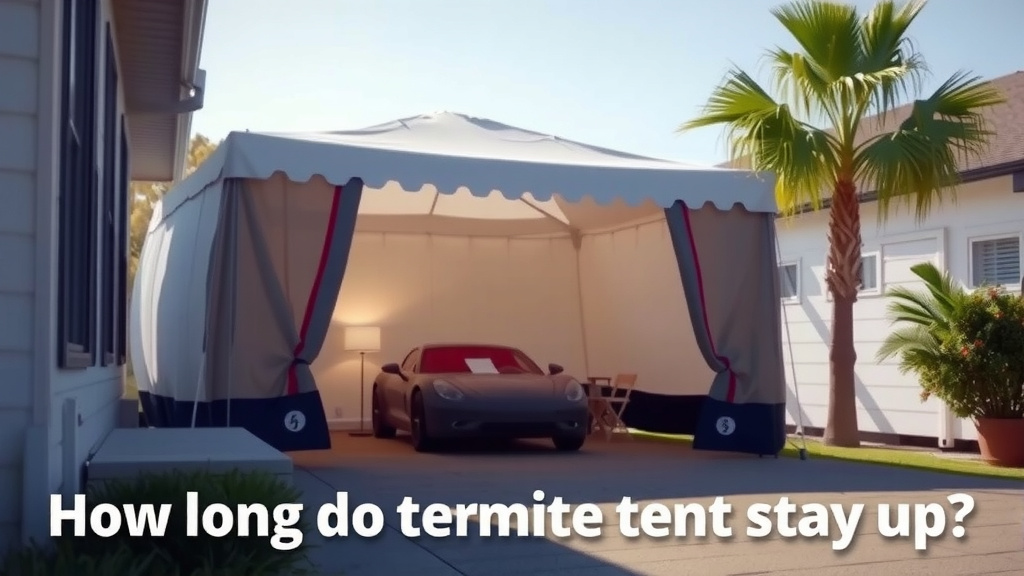
Post-Tenting Checks and What to Expect
Once the tent is down and your home is aired out, you can return. It’s a good idea to do a quick walk-through. Check for any signs of lingering chemical odors. Most of the time, your home will smell fresh. We found that some people are sensitive to residual odors for a few days.
The Effectiveness of Tenting
Termite tenting is considered one of the most effective ways to eliminate termites. It reaches every corner of your home. This thoroughness is why it’s recommended for severe infestations. The goal is complete eradication. This ensures that you won’t have to deal with termites again anytime soon. Many research studies confirm its high success rate when performed correctly.
Are There Alternatives to Tenting?
Yes, there are alternative termite treatments. These include localized treatments or baiting systems. However, for widespread infestations, tenting is often the preferred method. Localized treatments might not reach all the termites. Baiting systems can take longer to work. The decision often depends on the type and extent of the infestation.
Comparing Tenting Durations
We looked at how different factors might affect the time your home is tented:
| Factor | Potential Impact on Tent Duration | Notes |
|---|---|---|
| Home Size | Shorter (small homes) to Longer (large homes) | Larger homes need more time for gas penetration. |
| Infestation Severity | Slightly Longer (severe) | More extensive infestations may require extended treatment. |
| Building Structure | Can Influence Time | Complex layouts might need careful gas circulation. |
| Weather Conditions | Rarely, but possible | Extreme weather might require minor adjustments. |
This table helps illustrate how your specific situation plays a role. It’s always best to discuss the estimated duration with your pest control professional. They have the most accurate information for your home.
Conclusion
So, you’re facing termite tenting? We get it, it’s a big undertaking. Remember, the typical timeframe for termite tents to stay up is about 2 to 5 days. This duration is essential for the fumigant gas to do its job completely, reaching every last termite. Factors like your home’s size and infestation severity can slightly adjust this timeline. Your pest control professional will confirm the exact period for your situation. Once the tent is down and your home is safely aired out, you can reclaim your space, knowing you’ve taken a powerful step against termites. Planning ahead for your time away will make the process much smoother.
Frequently Asked Questions
How long does my home need to be vacant during termite tenting?
You’ll generally need to vacate your home for the entire duration the tent is up, typically 2 to 5 days. This includes all family members and pets for safety reasons. Your pest control company will provide the precise timeframe and advise on when it’s safe to return.
What happens if it rains while my house is tented?
Pest control companies are prepared for various weather conditions. The tarps are designed to be waterproof, so rain usually doesn’t affect the fumigation process or the tent’s duration. Extreme weather might cause minor delays, but it’s rare.
Can I do any cleaning or repairs while the house is tented?
No, you must stay completely away from the property while the tent is up. Accessing the home during fumigation poses serious health risks due to the gas used. It’s best to leave all cleaning and repairs until after the process is complete and your home is declared safe.
Will I smell the fumigant gas after the tent is removed?
After the tent is removed and the home is ventilated, the gas should dissipate quickly. While most people don’t detect strong odors, some individuals might notice a faint chemical smell for a day or two. This usually fades as the house airs out further.
What’s the difference between tenting and localized termite treatments?
Tenting, or whole-house fumigation, treats the entire structure to eliminate termites everywhere. Localized treatments focus on specific areas where termites have been found. For widespread infestations, tenting is generally more effective at ensuring complete eradication.


![7 Best Canvas Tent Waterproofing Product [2026]](https://leonardhomeoutdoor.com/wp-content/uploads/2026/08/7-best-canvas-tent-waterproofing-product-2026-featured-768x432.jpg)