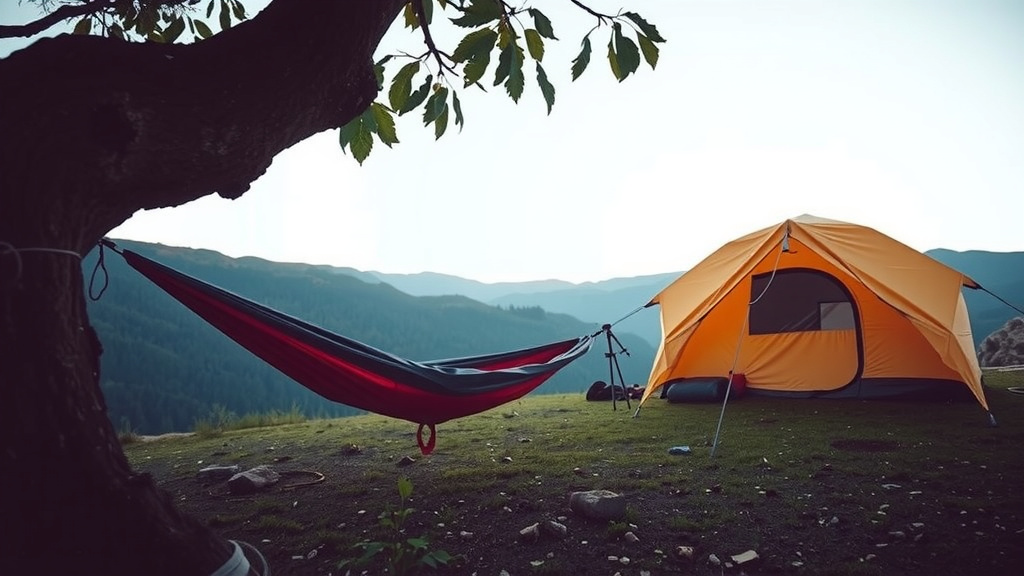
Hammock Tent vs Ground Tent: Which Camping Setup Is Best
When deciding between a hammock tent and a ground tent, the biggest difference often comes down to your personal camping style and the terrain you plan to explore. Hammock tents offer a suspended sleeping experience, ideal for uneven or bug-infested ground, while ground tents provide a familiar, stable shelter on any surface. We found that choosing the right one really depends on your priorities for comfort and location.
Many campers wonder about the practicalities of each setup. A hammock tent means you’re literally hanging out, which can be amazing for avoiding ground critters and staying dry. A ground tent, on the other hand, offers more space and is generally quicker to set up for beginners. Both have their unique advantages for your outdoor adventures, making the choice a fun personal challenge.
- Hammock tents hang above the ground.
- Ground tents sit directly on the earth.
- Consider terrain and bug activity.
- Think about setup ease and space.
Let’s break down the key differences to help you decide which is the perfect fit for your next trip.
Choosing Your Suspended or Grounded Shelter
Deciding between a hammock tent and a ground tent often comes down to where you’re camping and your personal preferences. Both offer a place to sleep outdoors. We’ve found that understanding their core differences helps you pick the right one for your adventures. Let’s get into the specifics.
Understanding the Core Differences: Hammock vs. Ground Tent
At their heart, these shelters serve the same basic purpose: to protect you from the elements while you sleep. The main distinction is how they interact with the ground. Your choice will depend on your priorities, like comfort, weight, and the type of environment you’ll be in.
The Hammock Tent Experience
Think of a hammock tent as your elevated bedroom. It’s essentially a tent that hangs between two trees, suspended off the ground. This means you’re sleeping in a hammock, but with the added protection of a bug net and a rain fly, just like a traditional tent. It’s a unique way to camp!
Benefits of Hammock Tents
One of the biggest wins for hammock tents is avoiding ground-level nuisances. You’re high and dry, away from crawling insects, damp ground, and uneven terrain. Many users report a more comfortable sleep, especially if you find sleeping on a flat surface challenging. Research suggests that sleeping in a slightly elevated, suspended position can offer a unique kind of comfort for some individuals (NCBI).
Setup can be surprisingly quick once you get the hang of it. Plus, they often pack down smaller than many ground tents, making them a great option for backpackers watching their weight and volume. You can also set them up in places where pitching a ground tent might be difficult, like rocky areas or steep slopes.
Considerations for Hammock Tents
However, hammock tents aren’t for everyone or every location. You need **two sturdy trees** that are the right distance apart. This can be a deal-breaker in open fields or deserts. Weather is another factor; strong winds can make a suspended tent sway more than a grounded one. Also, the amount of internal space can feel a bit more confined than a spacious ground tent, which might be an issue for those who like to spread out.
The Ground Tent Experience
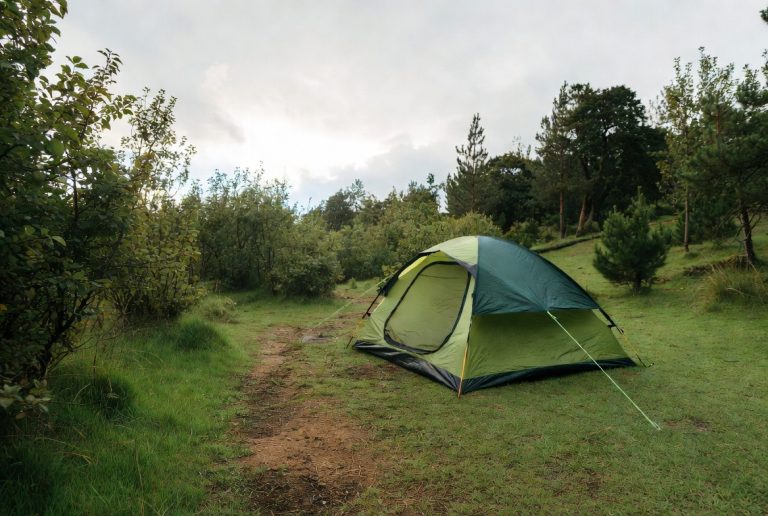
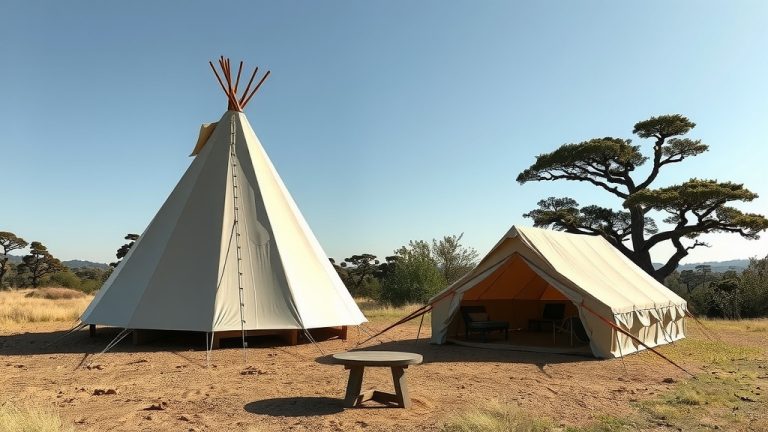
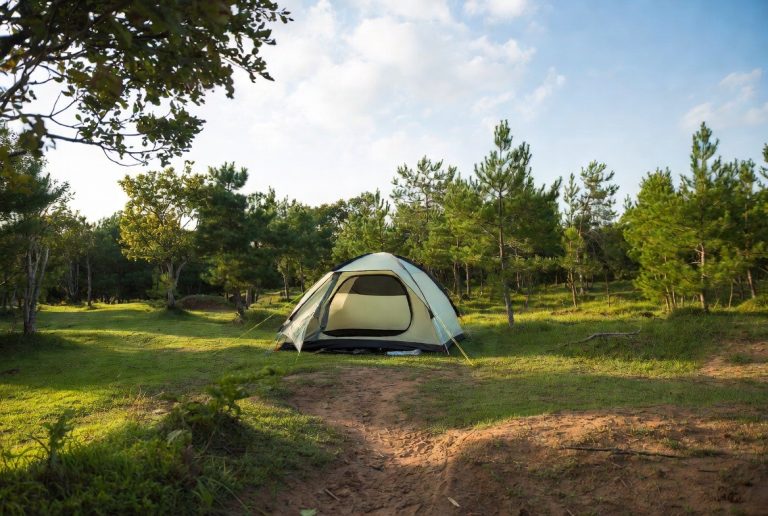
A ground tent is what most people picture when they think of camping. It’s a familiar structure that sits directly on the earth, supported by poles and stakes. They come in a huge variety of sizes, from solo backpacking tents to large family car camping shelters.
Benefits of Ground Tents
Ground tents offer stability and versatility. You can pitch them almost anywhere there’s flat ground. They tend to have more headroom and interior space, making them feel less claustrophobic. Setting up a ground tent is often more straightforward for beginners, as it follows a more intuitive pole-and-fabric assembly process. Plus, many come with vestibules, which are covered areas outside the main sleeping space, perfect for storing gear or cooking.
Considerations for Ground Tents
The main drawback is your direct connection to the ground. This means you could be dealing with moisture seeping up from the soil, uncomfortable rocks or roots under your sleeping pad, and insects or other critters. Ground tents can also be heavier and bulkier to pack compared to their hammock counterparts, especially larger models.
Key Comparison Points
Let’s look at some of the most important aspects when choosing between these two shelter types.
Comfort and Sleep Quality
For hammock tents, comfort often comes from the feeling of being cradled. We found that many hammock campers report a deeper, more restful sleep. However, if you’re not used to sleeping in a hammock, there can be a learning curve. Some people find the “banana effect” (an arched back) uncomfortable, though proper setup and a sleeping pad can largely mitigate this.
Ground tents offer a more traditional sleeping experience. The comfort here depends heavily on the quality of your sleeping pad and the flatness of the ground. For some, the familiarity of a stable, flat surface is inherently more comfortable and reassuring.
Setup and Ease of Use
Both can be quick to set up, but there’s a difference in the learning curve. Hammock tents require learning how to properly hang them and tension the guylines. Once mastered, it can be very fast. Ground tents usually involve unfolding the tent, assembling poles, and staking it out. We found that for absolute beginners, a simple dome tent might be slightly easier to pitch on their first try.
Weight and Packability
For backpackers, weight and pack size are critical. Typically, a hammock tent system (tent, suspension, rain fly) can be lighter and pack smaller than a comparable ground tent setup, especially if you compare it to larger family-style ground tents. However, ultralight backpacking ground tents are incredibly light and compact, so the difference might be minimal when comparing specialized gear.
Bug and Critter Protection
This is where hammock tents often shine. Being off the ground means you’re automatically protected from ants, spiders, and other crawling insects. The integrated bug netting provides a barrier against mosquitoes and flies. Ground tents also have bug netting, but you’re still closer to the ground, and there’s always a slight risk of something finding its way in through zippers or small gaps.
Weather Resistance
Both types can offer excellent protection. Good quality hammock tents have robust rain flies that keep you dry. Ground tents, especially those designed for backpacking, are engineered to withstand wind and rain effectively. The swaying motion of a hammock tent in high winds might be a concern for some, while a well-staked ground tent offers a more solid anchor.
Ideal Terrain and Situations
Hammock tents excel in areas with plenty of trees, such as forests and woodlands. They are fantastic for avoiding muddy or rocky campsites. If you plan to camp near rivers or lakes where the ground can be damp or insect-ridden, a hammock tent is a superb choice. Many backpackers love them for their ability to set up camp in diverse and sometimes challenging landscapes.
Ground tents are the go-to for open areas like meadows, deserts, beaches, or mountain tops where trees aren’t available. They are also ideal for car camping where space and weight are less of a concern, and for group camping where larger, more communal living spaces are desired.
Quick Checklist for Your Decision
To help you decide, ask yourself these quick questions:
- Do you have reliable trees at your chosen campsites?
- How important is sleeping completely off the ground?
- Do you prefer a spacious interior or a more compact sleep setup?
- Are you camping in an area known for heavy insect populations?
- How much time do you want to spend setting up camp?
- What is your primary camping environment (forest, desert, mountains)?
| Feature | Hammock Tent | Ground Tent |
|---|---|---|
| Sleeping Position | Suspended in a hammock | On a flat surface (sleeping pad) |
| Terrain Requirement | Needs two trees | Needs relatively flat ground |
| Bug Protection | Excellent (off the ground) | Good (mesh panels) |
| Setup Complexity | Moderate learning curve | Generally straightforward |
| Packability | Often very compact | Varies, can be bulky |
| Ideal Environment | Forested areas | Anywhere with flat ground |
Conclusion
Choosing between a hammock tent and a ground tent boils down to your personal camping style and the environment you’ll explore. If you love the idea of sleeping suspended among trees, away from bugs and uneven ground, a hammock tent could be your perfect match. For those who value stability, more interior space, and the flexibility to camp almost anywhere, a ground tent remains a reliable classic. We’ve seen how each offers unique benefits. Think about your next trip and which setup truly calls to you, then get ready for an amazing outdoor experience!
Frequently Asked Questions
Can you use a hammock tent without trees?
Generally, no. Hammock tents require at least two sturdy trees spaced appropriately to hang securely. If your camping spot lacks trees, you’ll need to consider a ground tent or a specialized hammock stand.
Is a hammock tent comfortable for side sleepers?
It can be, but it might take some adjustment. Some side sleepers find the cradling effect comfortable, while others need to experiment with sleeping pads and body positioning to avoid feeling a curve in their back.
Are ground tents better for car camping?
Yes, often. Ground tents, especially larger ones, offer more space for gear and comfortable living, which is ideal when you’re not worried about pack weight. They are also easier to set up on varied terrain.
Which type of tent is better for rainy weather?
Both can be excellent in the rain if they are well-made and properly set up. A good hammock tent’s rain fly will keep you dry, while a properly staked ground tent offers a solid shield. Your setup technique is key for both.
How do hammock tents handle wind?
Hammock tents can sway more in windy conditions because they are suspended. While this can be unsettling for some, they are typically designed with strong suspension and guylines to remain secure. Ground tents offer a more stationary anchor.
![7 Best Beginner Backpacking Tent [2026]](https://leonardhomeoutdoor.com/wp-content/uploads/2026/08/7-best-beginner-backpacking-tent-2026-featured-768x432.jpg)
![7 Person Ultralight Tent [2026]](https://leonardhomeoutdoor.com/wp-content/uploads/2026/08/7-person-ultralight-tent-2026-featured-768x432.jpg)