
Hammock Tent vs Tent Which is Right for You
When deciding between a hammock tent and a traditional tent, the biggest difference comes down to where you plan to camp. A hammock tent offers a unique, elevated sleeping experience that is ideal for forested areas, while a ground tent provides stability on virtually any terrain. Your choice really depends on your comfort needs and typical camping environment.
Both options aim to keep you protected from the elements and insects. However, hammock tents use the trees around you for support, creating a suspended bed. Traditional tents rely on poles and stakes to create a self-supporting structure on the ground. We found that understanding these core differences helps narrow down your perfect camping shelter.
- Hammock tents hang from trees.
- Ground tents sit directly on the earth.
- Hammock tents are great for forests.
- Ground tents work almost anywhere.
- Consider your usual campsite when choosing.
Let’s walk through the pros and cons of each so you can make the best choice for your next adventure.
Weighing Your Options: Hammock Tents vs. Traditional Tents
When you’re planning your next outdoor escape, choosing the right shelter is key. You’re likely wondering about the differences between a hammock tent and a traditional ground tent. We’ve looked into it, and the main distinction boils down to where you prefer to set up camp and what kind of sleeping experience you’re after.
The Hammock Tent Experience: Sleeping Among the Trees
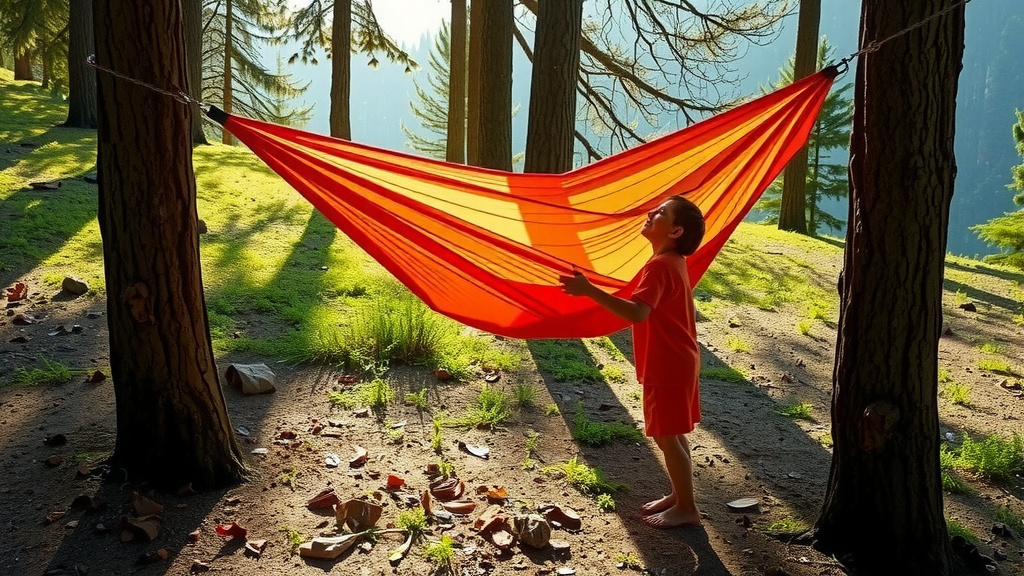
Imagine drifting off to sleep suspended gently between two sturdy trees. That’s the essence of a hammock tent. These shelters combine the comfort of a hammock with the protection of a tent. They typically include a built-in bug net and a rain fly, keeping you safe from creepy crawlies and unexpected showers.
Comfort and Convenience in the Forest
One of the biggest draws of a hammock tent is the comfort it offers. Because you’re not lying on the hard ground, many campers find they sleep more soundly. Plus, you’re lifted away from rocks, roots, and any slithering critters that might be on the forest floor. Setting one up can be quite quick, provided you have two suitable trees within the right distance.
The Ideal Environment for Hammock Tents
Hammock tents truly shine in environments with plenty of trees. Think dense forests, wooded campgrounds, or trails where you can find a good setup spot. If you love the idea of being immersed in nature, surrounded by woodland, a hammock tent might be your perfect match. They are particularly well-suited for backpacking trips where finding flat, clear ground can be a challenge.
What About Weight and Packability?
Generally, hammock tents can be quite lightweight and compact. This is a huge plus for backpackers who need to conserve every ounce of space and weight. Many models pack down smaller than a traditional tent, making them easy to strap to your pack. We found that many of these systems are designed for minimal bulk.
The Traditional Tent: Your Reliable Ground Shelter
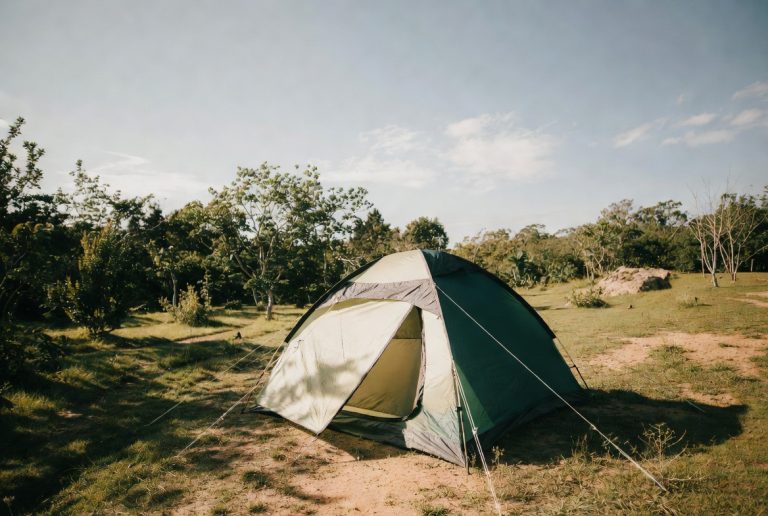
A traditional tent is what most people picture when they think of camping. It’s a freestanding or semi-freestanding structure that you pitch on the ground using poles and stakes. These tents come in a vast array of sizes and designs, from single-person backpacking shelters to larger family car-camping tents.
Versatility in Any Location
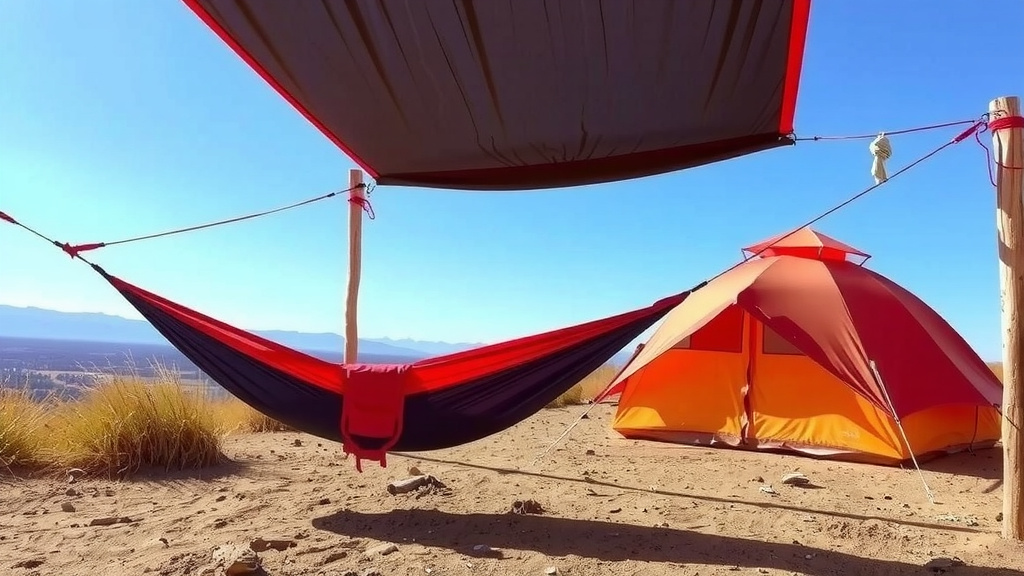
The huge advantage of a ground tent is its versatility. You can set it up almost anywhere. Beach camping? No problem. Desert expedition? You’re covered. Mountain summit? Absolutely. As long as you have a relatively flat spot and can secure it with stakes, a ground tent will provide a stable home base. This makes them incredibly adaptable to various camping styles and locations.
Stability and Protection on Uneven Terrain
Ground tents offer a stable platform regardless of the surface. They are designed to withstand wind and rain when properly set up. You don’t need to rely on finding specific natural features like trees to pitch your shelter. This reliable stability is a major comfort for many campers, especially in exposed or unpredictable weather conditions.
Space and Setup Considerations
While some backpacking tents are minimalist, many traditional tents offer more living space than their suspended counterparts. You often have room to sit up, spread out your gear, and even stand inside larger models. Setting up a tent can sometimes take a bit longer than a hammock, especially in windy conditions, but the process is well-understood by most campers.
Comparing Key Features Side-by-Side
To help you visualize the differences, let’s break down some key aspects. We’ve found that considering these points can really clarify which type of shelter is right for your needs.
| Feature | Hammock Tent | Traditional Tent |
|---|---|---|
| Primary Setup Location | Forested areas with trees | Any relatively flat ground |
| Sleeping Surface | Suspended fabric | Ground |
| Terrain Dependence | High (requires trees) | Low (flexible) |
| Bug Protection | Usually integrated (bug net) | Integrated or requires separate footprint/liner |
| Rain Protection | Integrated rain fly | Integrated rain fly |
| Comfort Factor | Often higher for side/back sleepers; unique sensation | Depends on sleeping pad; familiar feel |
| Portability | Generally lightweight and compact | Varies greatly by model; can be lightweight or bulky |
Making Your Final Choice: A Quick Checklist
Still on the fence? Let this quick checklist help guide your decision. Think about your typical camping adventures and your personal preferences.
- Do you mostly camp in forests or areas with abundant trees?
- Do you dislike sleeping directly on the ground?
- Is lightweight, compact gear a top priority for your trips?
- Do you need the flexibility to camp on any type of terrain?
- Is having ample standing room inside your shelter important to you?
- Are you looking for a unique sleeping experience?
Conclusion
Your ultimate camping shelter choice hinges on your preferred environment and comfort. If you love sleeping among trees and want a unique, off-the-ground experience, a hammock tent is your go-to. For those who need flexibility across any terrain and prefer a stable, familiar setup, a traditional tent remains the reliable option. We found that understanding your typical campsite and personal sleep preferences will guide you to the perfect choice. Now, gather your gear and get ready for your next adventure!
Frequently Asked Questions
Can I use a hammock tent if I don’t have trees?
No, a hammock tent requires two sturdy trees or anchor points spaced correctly for setup. If your camping location lacks suitable trees, a traditional ground tent is your only viable option for shelter. You will need to find a different solution if trees aren’t available.
Are hammock tents comfortable for all sleeping positions?
Many people find hammock tents very comfortable, especially for back and side sleepers. Stomach sleepers might find it more challenging to get comfortable. You might need to experiment with your sleeping pad and body position to find what works best for you. Some users report a slight learning curve.
How do hammock tents handle rain and wind?
Hammock tents typically come with a rain fly to protect you from precipitation. They are generally quite stable in wind if set up correctly, as the tension on the straps helps secure them. However, extremely high winds might still be a concern, especially in open areas.
Can I set up a traditional tent on a slope?
You can set up a tent on a slope, but it’s best to find the most level spot possible. Sleeping on a steep incline can be uncomfortable and make it difficult to sleep soundly. Positioning your body so your head is uphill is usually more comfortable. Always prioritize finding a reasonably flat area.
Which is better for car camping: a hammock tent or a ground tent?
For car camping, a traditional tent often offers more space and convenience, especially if you have a family or a lot of gear. You can easily bring larger, more comfortable tents. While hammock tents are portable, they are best suited for situations where you can hang them, like backpacking or designated wooded campsites.
![7 Best Camping Tent Waterproof [2026]](https://leonardhomeoutdoor.com/wp-content/uploads/2026/08/7-best-camping-tent-waterproof-2026-featured-768x432.jpg)
![7 Best Roof Top Tent For Subaru Crosstrek [2026]](https://leonardhomeoutdoor.com/wp-content/uploads/2026/09/7-best-roof-top-tent-for-subaru-crosstrek-2026-featured-768x432.jpg)

One Comment