Tent vs Pop Up Camper: Which is Right for Your Trip
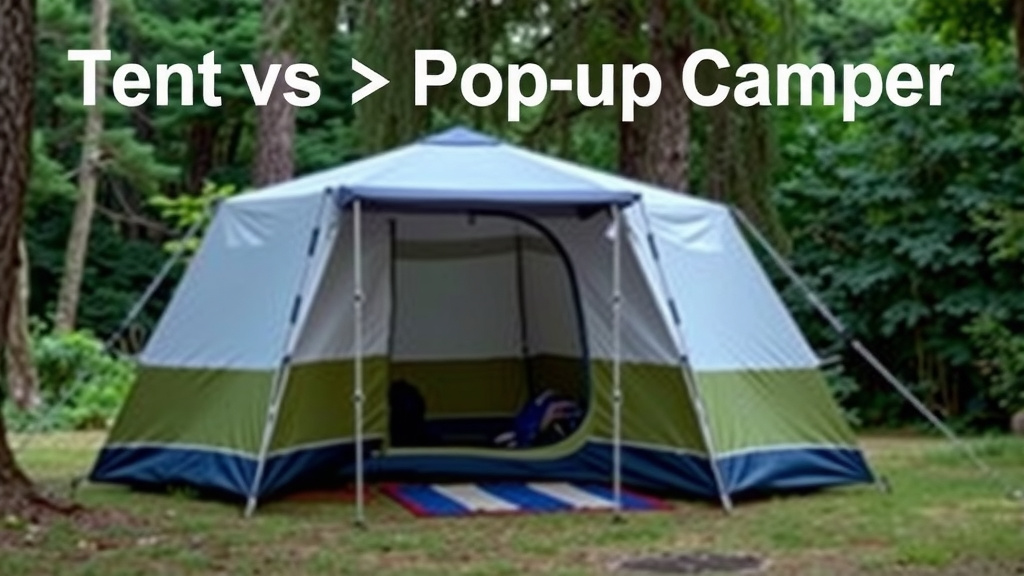
Deciding between a tent and a pop-up camper depends on your camping style. A tent offers the most basic camping experience and is easiest to transport. A pop-up camper provides more comfort and amenities, like beds and a kitchen, with less setup time than a traditional RV. Deciding between a tent vs pop-up camper depends on your camping style.
We found that your budget and desired level of comfort are the biggest factors. Tents are incredibly affordable and accessible for almost anyone. Pop-up campers represent a middle ground between tent camping and RVing, offering more features for a higher price.
- Tents are cheaper and simpler.
- Pop-ups offer more comfort and amenities.
- Setup time varies greatly between models.
- Consider your budget and camping goals.
Below, we break down the key differences to help you choose the perfect option for your next outdoor adventure.
Tent vs. Pop-Up Camper: Making Your Best Choice
So, you’re ready for an adventure, but the big question looms: tent or pop-up camper? Both get you into the great outdoors. They offer very different experiences, though. We’ve looked into what makes each one tick. Let’s figure out which one fits your camping style best.
The Great Outdoors: Tent Camping Basics
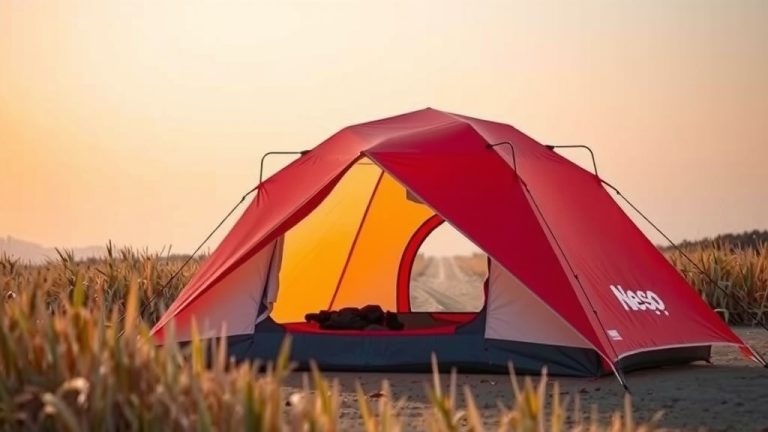
Think of a tent as your personal, portable shelter. It’s the most classic way to camp. You’re really connecting with nature. You’ll feel the breeze, hear the critters, and see the stars. It’s simple, and many people love that simplicity. It doesn’t take up much space when packed. You can often just throw it in your car and go. We found that for budget-conscious campers, tents are a clear winner. You can get a decent one for under $100. More elaborate tents can cost a few hundred dollars. But the initial investment is usually quite low.
Setting Up Your Tent: Quick or Quicker?
Tent setup varies a lot. A simple dome tent might take 5-10 minutes. You just unfold it and put in the poles. More complex tents with multiple rooms or features can take longer. We’ve seen some family tents that require a bit more effort. Read the instructions the first time you set it up at home. That way, you won’t be fumbling in the dark at the campsite. It’s a good practice for any camping gear.
What You Can Expect in a Tent
Your tent is basically your sleeping space. You’ll need to bring everything else. That means sleeping bags, pads, cooking gear, and chairs. It’s all about being self-sufficient. You’re really roughing it, in the best way possible. You can fit a lot of gear inside, but it’s all on the floor. It’s a cozy, minimalist approach to outdoor living.
The Downside of Tent Camping
Weather can be a big factor. Heavy rain can mean a wet tent. Strong winds can be a bit scary. You’re also closer to the ground. So, bugs and critters are more of a concern. You also don’t have much privacy if you’re camping near others. It can get cramped if you have a lot of gear or a bigger group.
Pop-Up Campers: Comfort on Wheels
A pop-up camper, also called a pop-up trailer or folding camping trailer, is a lighter type of recreational vehicle. It’s a fantastic middle ground. You get the feeling of being outdoors but with more comfort. Think of it as a tent that pulls behind your car and has a solid floor. It has beds that fold out and a small living area. Many even have a small kitchen or a place to add a portable toilet. We found that for families or those wanting more comfort, pop-ups are a great option.
Pop-Up Camper Setup: Easier Than You Think
Pop-up campers are designed for easier setup than larger RVs. You tow it to your campsite. Then, you crank it up or push it open. It’s not instant, but it’s often faster than pitching a large tent. Many models can be set up in 15-30 minutes. You’ll still need to level it and secure it. But your sleeping areas are usually ready quickly. We found that the pop-up mechanism is quite straightforward for most.
Inside a Pop-Up Camper: More Than Just a Tent
This is where pop-ups really shine. You get raised beds that are more comfortable than sleeping on the ground. There’s often a dinette area for eating or playing games. Many pop-ups include a small kitchen with a sink and a stove. Some have a small refrigerator. You’re protected from the elements more effectively than in a tent. It feels more like a small cabin on wheels. You have solid walls and a roof overhead. Plus, they often have more storage space than a tent.
The Cost of Convenience
Pop-up campers are more expensive than tents. You can find used ones for a few thousand dollars. New ones can range from $10,000 to $30,000 or more. You also need a vehicle capable of towing it. Most cars can’t tow a pop-up camper. You’ll likely need an SUV or a truck. There are also ongoing costs like insurance and maintenance.
Pop-Up Camper Downsides
While easier than RVs, they are still more work than a tent. You need to tow them, which affects your gas mileage. Setup still takes time. They also offer less insulation than hard-sided RVs. So, very cold or very hot weather can still be a challenge. Some people also find the canvas sides can be prone to leaks if not maintained.
Key Differences at a Glance
Let’s break down the core differences you’ll experience.
| Feature | Tent | Pop-Up Camper |
|---|---|---|
| Cost | Low ($50 – $500) | Medium ($3,000 – $30,000+) |
| Setup Time | Fast (5-15 min) | Moderate (15-30 min) |
| Comfort | Basic | Good (beds, kitchen often included) |
| Portability | Excellent (fits in car) | Requires towing vehicle |
| Amenities | None (bring your own) | Basic kitchen, beds, seating |
| Weather Protection | Limited | Good |
Making Your Final Decision: A Checklist
To help you decide, ask yourself these questions:
- What’s your overall budget for camping gear and trips?
- How much comfort do you absolutely need to enjoy camping?
- What kind of vehicle do you have for towing?
- How much time are you willing to spend on setup and takedown?
- What kind of weather do you typically camp in?
- How important is minimalism versus having amenities?
Conclusion
Choosing between a tent and a pop-up camper boils down to your camping priorities. If you love the simplicity and minimal cost of being close to nature, a tent is your best bet. You get a genuine outdoor experience with easy portability. For those seeking more comfort, like actual beds and a small kitchen, a pop-up camper offers a great compromise. It provides shelter and amenities without the bulk of a full RV. Consider your budget, desired comfort level, and what kind of vehicle you have available. Then, you can confidently pick the option that makes your next camping trip perfect.
Frequently Asked Questions
Can I use a pop-up camper if I don’t have a large SUV or truck?
It depends on the specific pop-up camper’s weight. Lighter models may be towable by some larger sedans or minivans. Always check the camper’s Gross Vehicle Weight Rating (GVWR) and your vehicle’s towing capacity before making a decision. Your car’s owner manual will have this information.
Are pop-up campers truly waterproof?
Most modern pop-up campers are designed to be waterproof, especially their roofs. However, the canvas sides can sometimes develop leaks if they are old, damaged, or not properly maintained. Regular inspection and waterproofing treatments are recommended for peace of mind.
What is the typical lifespan of a tent versus a pop-up camper?
A well-maintained tent can last anywhere from 5 to 10 years, depending on its material and how often it’s used. Pop-up campers, being more complex with mechanical parts, can last 10 to 20 years or more with consistent maintenance. This includes checking the canvas, seals, and mechanical components.
How much more difficult is setting up a pop-up camper compared to a tent?
Setting up a pop-up camper generally takes longer than a basic tent, but it’s often less physically demanding than pitching a large, complex tent. You’ll be dealing with cranking mechanisms or lifting parts, rather than solely managing poles and fabric. Most find it a manageable trade-off for the added comfort.
Can I store my pop-up camper at my house if I have a driveway?
Yes, many people store their pop-up campers in their driveways or backyards, provided local zoning laws allow it. If driveway storage isn’t an option, you can often find storage facilities that rent outdoor or indoor spots for RVs and trailers. This keeps it safe and protected when not in use.
![7 Best Freestanding Ultralight Tent [2026]](https://leonardhomeoutdoor.com/wp-content/uploads/2026/08/7-best-freestanding-ultralight-tent-2026-featured-768x432.jpg)
![7 Best Cot Tent 2p Kakadu [2026]](https://leonardhomeoutdoor.com/wp-content/uploads/2026/08/7-best-cot-tent-2p-kakadu-2026-featured-768x432.jpg)