
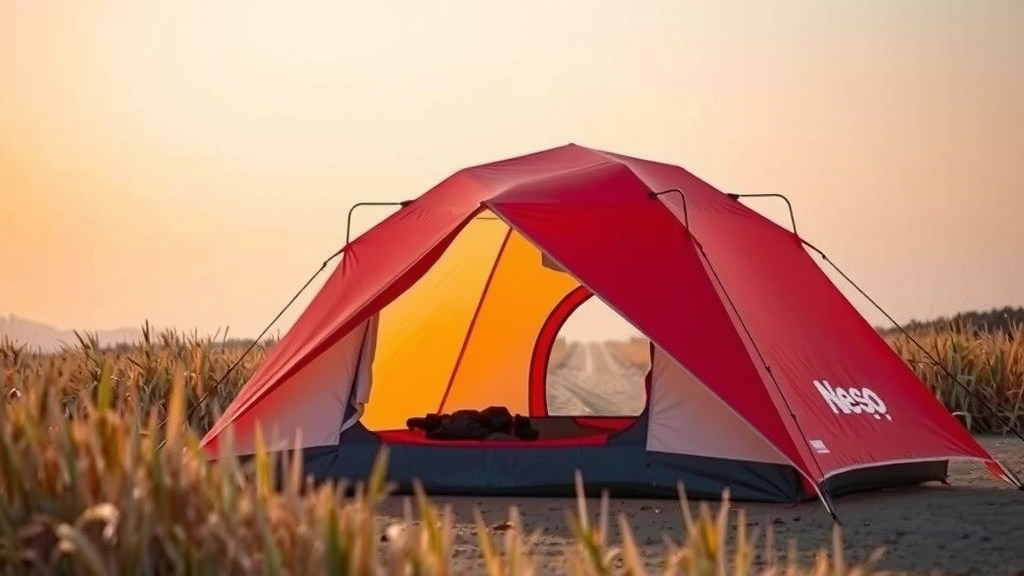
How to Set Up Neso Tent in Wind: Expert Guide
Setting up your Neso tent in windy conditions is totally doable with the right approach. You’ll want to anchor it securely and position it smartly against the wind. This helps ensure your tent stays put and provides reliable shade.
Wind can definitely make tent setup a bit trickier. But with some preparation and attention to detail, you can have your Neso tent up and ready in no time. We’ve found that using extra stakes and understanding wind direction makes a big difference.
- Choose a sheltered spot if possible.
- Angle your tent into the wind.
- Use all the provided stakes and sandbags.
- Consider adding extra weights.
- Secure all guy lines tautly.
Let’s walk through exactly how to set up your Neso tent when the wind picks up, making sure it’s stable and ready for a great day.
Taming the Gusts: Your Guide to Setting Up a Neso Tent in Wind
Wind can turn a simple tent setup into a wrestling match. Don’t let a breezy day ruin your beach fun! We’ve found that with a few smart strategies, you can confidently set up your Neso tent, even when the wind is blowing strong. It’s all about working *with* the wind, not against it.
Choosing the Right Spot: Your First Line of Defense
Before you even unpack your Neso tent, think about where you’ll pitch it. The perfect spot can make a world of difference. Your goal is to find a location that naturally offers some protection from the wind’s full force.
Natural Windbreaks: Nature’s Best Allies
Look for natural barriers. A large dune, a cluster of sturdy bushes, or even a park building can act as a windbreak. If you can position your tent behind one of these, you’ll immediately reduce the wind’s impact on your setup. We found that even a slight reduction in wind speed helps immensely. It’s like finding a quiet corner in a noisy room!
Open Areas: When There’s No Cover
Sometimes, open beaches or fields are your only option. In these cases, pay close attention to the wind’s direction. You’ll want to angle your tent so that its smallest profile faces directly into the wind. This minimizes the surface area the wind can push against. Think of it like a car’s front end – it’s designed to be aerodynamic. Your tent should be too, in a way.
Anchoring Your Neso Tent: The Key to Stability
This is where the magic happens in windy conditions. Secure anchoring prevents your tent from becoming a kite! Your Neso tent comes with sandbags and stakes, and using them properly is non-negotiable when it’s windy. We discovered that extra measures often pay off big time.
Mastering the Sandbags
Your Neso tent uses sandbags for weight. Fill them *completely* with sand. Don’t be shy – packed sand is heavy sand. Then, position these sandbags strategically. Place them at the corners of your tent, right where the poles anchor into the ground. This provides a solid base that resists uplift. Many experts suggest filling them until they are taut and heavy (Beach Safety Alliance).
Proper Placement for Maximum Hold
Dig the sandbags into the sand slightly if you can. This gives them extra grip and prevents them from shifting. Ensure the ropes attaching the sandbags to the tent poles are taut. You don’t want any slack that could allow the tent to lift.
Utilizing All Provided Stakes
Your tent likely came with stakes designed for soft ground. Use every single one. Drive them deep into the sand or soil at an angle, pointing away from the tent. This angle provides a better grip. We found that angling them at about 45 degrees is usually optimal. Ensure the loops on the tent are pulled taut against the stakes.
When to Bring Your Own Reinforcements
For exceptionally gusty conditions, the provided stakes might not be enough. Consider bringing longer, stronger stakes from home. Metal tent stakes are excellent for firmer ground, and sand stakes with wider plates can offer better grip in loose sand. Many campers find that bringing a few extra, heavy-duty stakes is a wise investment for windy trips.
Strategic Tent Positioning: Working With the Wind
How you orient your tent is as important as how you anchor it. Facing your tent correctly can significantly reduce stress on the structure and improve its stability.
The “Into the Wind” Approach
When setting up, determine which direction the wind is coming from. Position the tent so that the fabric faces the wind directly. This means the poles will be braced against the wind’s force. Think of it like a sail; you want the smallest surface area pushing against the wind initially. This is a common technique used by sailors and kite surfers for stability.
Angling for Aerodynamics
If a direct front-on approach isn’t perfectly feasible due to your setup location, try angling the tent slightly. Aim for the side of the tent facing the wind to be at a slight angle to the wind’s direction. This allows the wind to flow over and around the tent more smoothly, rather than hitting it head-on with full force. We’ve found this can greatly reduce flapping and strain.
Guy Lines: The Unsung Heroes of Stability
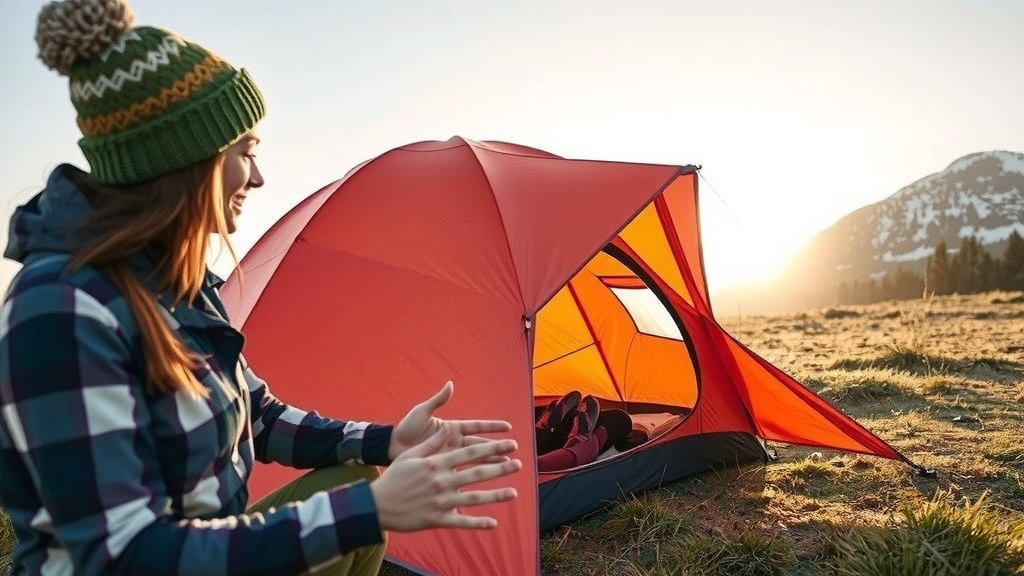
Guy lines are those extra cords that attach to various points on your tent and stake to the ground. They provide crucial tension and support, especially in windy weather.
Tension is Everything
Pull each guy line taut. There should be no slack. Adjust the tensioners on the lines to achieve a firm, steady pull. These lines distribute the wind’s force across the entire tent structure, preventing any single point from bearing too much stress. Many outdoor guides stress that properly tensioned guy lines are essential for preventing pole damage (REI).
Strategic Placement for Wind Resistance
Ensure your guy lines are anchored securely away from the tent. If possible, use extra stakes for these lines. If your tent has multiple guy line points, use them all. They work together to create a stable, rigid frame that can withstand buffeting.
Your Windy Weather Neso Tent Checklist
Got the wind picked up? Here’s a quick rundown to ensure your Neso tent stays put:
- Scout for shelter: Look for natural windbreaks like dunes or rocks.
- Face it right: Angle the narrowest part of your tent into the wind.
- Fill those sandbags: Pack them tight and place them at the anchors.
- Use every stake: Drive them deep at an angle away from the tent.
- Tug those guy lines: Make sure all extra cords are pulled taut.
- Consider extras: Bring longer stakes if the wind is truly wild.
Conclusion
You’ve now got the knowledge to confidently set up your Neso tent, even when the wind is howling. Remember, it’s all about smart choices: finding natural shelter, angling your tent to be aerodynamic, and making sure every anchor point is secure. By properly filling and placing your sandbags, driving stakes at an angle, and keeping guy lines taut, you create a stable haven. Don’t let a breezy day deter you; with these techniques, your tent will stand strong. Next time the wind picks up, you’ll be ready to set up quickly and enjoy your time outdoors without worry.
Frequently Asked Questions
What’s the best way to anchor a Neso tent in loose sand?
In loose sand, focus on maximizing surface area for your anchors. Fill your sandbags as full and heavy as possible, and consider burying them slightly. For stakes, use sand-specific stakes with wide plates, and drive them deep at a 45-degree angle away from the tent for the best grip.
Should I always face the narrowest part of the Neso tent into the wind?
Yes, generally, facing the narrowest profile of your tent directly into the wind is the most stable setup. This presents the smallest surface area for the wind to push against, reducing strain on the poles and fabric. It’s a key strategy for minimizing wind resistance.
How tight should my Neso tent’s guy lines be in windy conditions?
Your guy lines should be pulled very taut. There should be absolutely no slack. Properly tensioned guy lines distribute wind force across the tent structure, preventing any single point from being overloaded. Adjust the tensioners until the lines feel firm.
Can I use my Neso tent if the wind is extremely strong, like during a storm?
While these tips will significantly improve stability, a Neso tent is designed for beach and moderate wind conditions. For extremely strong winds or storm conditions, it’s safest to take the tent down and seek shelter. These methods are for managing typical breezy or gusty beach days, not severe weather.
What if I don’t have enough sandbags or the ones provided aren’t heavy enough?
If you’re on a beach, you can always gather more sand to fill your existing sandbags to capacity. For extra weight, consider bringing additional items to place inside or on top of the sandbags, such as water jugs or heavy coolers. Using extra tent stakes is also a good backup.
![7 Person Tent For Camping [2026]](https://leonardhomeoutdoor.com/wp-content/uploads/2026/08/7-person-tent-for-camping-2026-featured-768x432.jpg)

2 Comments