
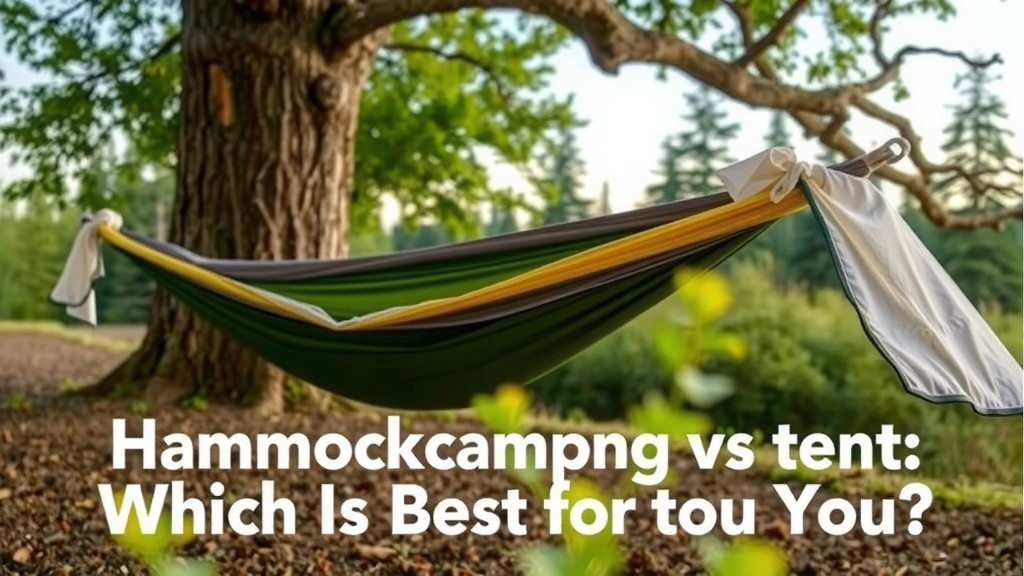
Hammock Camping vs Tent: Which Is Best For You
When choosing between hammock camping and tent camping, hammock camping often wins for lighter weight and better comfort on uneven ground. Tents offer more protection from bugs and weather. Your best choice depends on your camping style and priorities.
Both methods let you enjoy the great outdoors. Research and user reviews show that hammocks are great for back and side sleepers. Tents, on the other hand, are a classic for a reason, offering a familiar and secure shelter. We found many campers love the simplicity of a hammock setup.
- Hammocks: Lighter, more comfortable on slopes, better airflow.
- Tents: Better bug and rain protection, more space for gear.
- Hammocks require trees and can be tricky in bad weather.
- Tents are versatile but can be heavier and require flat ground.
- Your personal comfort and trip type will guide your decision.
Below, we’ll break down the pros and cons of hammock camping versus tent camping so you can make the best decision for your next adventure.
Weighing Your Options: Hammock Camping vs. Tent Camping
Deciding between a hammock or a tent for your camping trip is a big first step. Both offer shelter. They just do it in very different ways. We’ve looked at what campers prefer and why. Your choice really boils down to what you want from your outdoor experience.
The Case for Hammock Camping
Hammock camping is gaining popularity. Many campers love the feeling of sleeping among the trees. It’s like a natural cradle. Research and user feedback show it can be incredibly comfortable, especially if you tend to sleep on your back or side.
Comfort and Sleep Quality
One of the biggest draws is how a hammock handles uneven terrain. You’re not stuck looking for a perfectly flat spot. The hammock conforms to your body. This can lead to better spinal alignment. Many people find they sleep more soundly. We found numerous reports of reduced back pain after sleeping in a hammock.
Weight and Packability
For backpackers, weight is everything. Hammock systems are often much lighter than a full tent setup. A basic hammock, suspension straps, and a tarp can weigh just a few pounds. This makes a noticeable difference on long hikes. You can carry less and go further.
Airflow and Temperature Regulation
Hammocks offer superior airflow. This is a huge plus on warm nights. You’re less likely to overheat compared to being inside a tent. This can make your nights much more pleasant. Many hammocks allow you to sleep cooler without extra effort.
The Strengths of Tent Camping
Tents have been the standard for a reason. They offer a familiar and dependable shelter. For many, camping just isn’t camping without a tent.
Protection from the Elements and Pests
Tents provide a more enclosed space. This means better protection from rain, wind, and bugs. A good tent is a shield. It keeps out mosquitoes, flies, and even crawling critters. This is a major advantage, especially in areas with lots of insects.
Many tents have mesh panels for ventilation. This helps reduce condensation. But, they still offer a more sealed environment. This is key for staying dry and comfortable during a storm. We found that tent campers often feel more secure during bad weather.
Space and Versatility
Tents usually offer more interior space. You can sit up, change clothes more easily, and organize your gear. Many tents have vestibules. These are covered areas outside the main tent body. They’re perfect for storing muddy boots or a backpack.
Tents are also more versatile in terms of where you can set them up. You don’t need trees. You can camp in open fields, on beaches, or even on rocky ground. This opens up more location possibilities for your trip.
Key Differences Summarized
To help you decide, let’s look at a quick comparison. This table breaks down the main points:
| Feature | Hammock Camping | Tent Camping |
|---|---|---|
| Comfort | Excellent, especially for back/side sleepers. Conforms to body. | Good, but requires a flat surface. Can be firm. |
| Weight | Generally lighter. | Can be heavier, especially larger tents. |
| Setup Location | Requires trees spaced correctly. | Versatile; works on most flat surfaces. |
| Weather Protection | Good with tarp; can be drafty. | Excellent; fully enclosed shelter. |
| Bug Protection | Requires bug net. | Excellent with mesh screens. |
| Space | Limited interior; sleeping only. | More room for gear and movement. |
Making Your Choice: What to Consider
Your camping style is the biggest factor. Think about the type of trips you usually take.
Your Camping Style Matters
Are you a minimalist backpacker? Do you hike many miles each day? If so, the weight savings of a hammock could be a deal-maker. Do you prefer car camping? You might not worry as much about weight. A tent could offer more comfort and convenience.
Trip Environment and Season
Consider the environment. Are you camping in a forest with plenty of sturdy trees? That’s ideal for hammocks. Are you heading to a desert or a rocky mountain pass? A tent is your better bet. Think about the season, too. Hammocks can be cold in winter without special gear. Many experts suggest adding an underquilt for insulation.
Research indicates that warm weather camping is where hammocks truly shine. Their excellent airflow keeps you cool. For cold weather, tents with good insulation and fewer mesh panels might be more suitable. The Centers for Disease Control and Prevention (CDC) advises on general camping safety, but specific gear choices depend on the conditions.
Getting Started Checklist
Ready to make a decision? Here’s a quick checklist to guide you:
- What is your typical trip length?
- How much weight can you comfortably carry?
- Do you often camp where there are trees?
- How important is bug protection to you?
- What kind of weather do you expect most often?
- What’s your budget for new gear?
Conclusion
Choosing between a hammock and a tent comes down to your personal camping priorities. Hammocks offer incredible comfort on uneven ground and excellent airflow, making them a lightweight choice for many backpackers. Tents provide superior protection from bugs and harsh weather, along with more space for gear and movement. We’ve seen that both options can lead to fantastic outdoor experiences. Your best bet is to weigh the pros and cons against your typical trip type, the environment you’ll be in, and your comfort needs.
Ready to make a decision? Consider your next camping trip and think about which shelter best fits your adventure. Happy camping!
Frequently Asked Questions
Can you get cold in a hammock when camping?
Yes, you can get cold in a hammock, especially in cooler weather. Air circulates freely around you, which is great for summer but can lead to heat loss in winter. Many hammock campers use an underquilt for insulation. This specialized gear traps your body heat.
Are hammocks safe for your back compared to tents?
Research and user reports often suggest hammocks can be better for your back. They conform to your body’s natural curves. This can promote better spinal alignment. Many people find they experience less discomfort after sleeping in a hammock than on a firm, flat tent surface.
What if there aren’t any trees for hammock camping?
If trees aren’t available, a hammock setup won’t work. You’ll need a tent in those situations. Some people use hammock stands, but these add significant weight and bulk. They’re generally not practical for backpacking.
How do you protect your gear in a hammock setup?
Your gear typically stays on the ground next to your hammock. You might need a small tarp or ground cloth to keep it clean and dry. If rain is expected, you’ll need to place items under your tarp. Some integrated hammock systems offer small gear pockets.
Is a tent always heavier than a hammock system?
Generally, yes. A complete tent setup, including poles and stakes, is usually heavier than a basic hammock, suspension straps, and tarp. However, high-end ultralight tents can rival the weight of some hammock setups. It’s important to compare specific product weights.
![7 Best Family Waterproof Tents [2026]](https://leonardhomeoutdoor.com/wp-content/uploads/2026/08/7-best-family-waterproof-tents-2026-featured-768x432.jpg)
![7 Best Tent Ac Unit [2026]](https://leonardhomeoutdoor.com/wp-content/uploads/2026/09/7-best-tent-ac-unit-2026-featured-768x432.jpg)
2 Comments