

How Do Dream Tents Work?
Dream tents work by creating a dark, quiet, and comforting space for sleep. They use light-blocking fabrics and sturdy frames to simulate a cozy den. This helps signal to your brain that it’s time to rest, even if your room isn’t perfectly dark or quiet. They’re a simple way to improve your sleep environment.
Many parents use them for children to help with naps or bedtime routines. Adults might find them useful for travel or managing light sensitivity. The enclosed design can also offer a sense of security and privacy. We found that the main goal is to control your sleep surroundings.
- Dream tents create a dark, quiet space.
- They use light-blocking materials and frames.
- This helps signal your brain to sleep.
- They can be good for kids and adults.
- The goal is controlling your sleep environment.
So, how exactly do these tents help you catch those much-needed Zzz’s? Let’s break down the science and practicalities behind them.
Understanding How Dream Tents Work for Better Sleep
Dream tents are designed to create a personal sleep sanctuary. They manipulate your immediate environment to encourage relaxation and deeper sleep. Think of them as a portable, personal sleep pod. Your brain gets a clear signal that it’s time to wind down and drift off. This can be incredibly helpful in our busy lives.
The Core Principles of Dream Tent Functionality
At their heart, dream tents work by controlling three key elements of your sleep environment: light, sound, and a sense of enclosure.
Blocking Out Light for Deeper Sleep
Darkness is a powerful cue for our bodies to produce melatonin, the sleep hormone. Dream tents are typically made with light-blocking fabrics. These materials prevent external light from entering the tent. This is especially useful if your bedroom has streetlights, electronic device glows, or early morning sun. A dark environment signals to your brain that it’s nighttime, even if it’s not perfectly dark outside.
Research consistently shows that darkness is vital for regulating our circadian rhythms (Mayo Clinic). Even small amounts of light can disrupt sleep. Dream tents help create that essential darkness. They are much more effective than simple eye masks for some people.
Minimizing Distractions and Noise
Beyond light, noise can also interfere with sleep. While dream tents aren’t soundproof, their fabric and enclosed structure can help muffle ambient sounds. They create a buffer between you and everyday noises. This can include traffic, household sounds, or a snoring partner. The subtle reduction in noise can make a big difference. It helps create a calmer atmosphere for falling asleep. Some users find this muffling effect quite soothing.
Creating a Sense of Security and Comfort
The enclosed nature of a dream tent provides a feeling of security and privacy. It’s like having your own little cave. This can be particularly comforting for children who might be afraid of the dark. For adults, it can offer a sense of being in a protected space. This feeling of safety can reduce anxiety. It allows your mind to relax and prepare for sleep. It’s similar to how a baby feels swaddled. This sense of being held or contained can be very calming.
The Physical Design and Materials
The effectiveness of a dream tent relies on its construction. Let’s look at what makes them work physically.
Frame and Structure for Stability
Dream tents need a supportive frame to maintain their shape. These frames are usually made from lightweight, flexible materials like fiberglass or flexible metal. The frame ensures the tent stands up properly. It keeps the fabric taut and away from your face while you sleep. This prevents a feeling of claustrophobia for many. The structure is designed to be stable on your bed or floor. It creates a consistent, enclosed space.
Fabric Choices and Their Impact
The type of fabric used is crucial. Many dream tents use a dense, opaque material. This is key for blocking light effectively. Some fabrics are treated to be more light-resistant. Others rely on the sheer thickness of the weave. Breathability is also important. You don’t want to feel stuffy inside. Many designs incorporate mesh panels for ventilation. This allows air to circulate while still blocking light from those areas. We found that a good balance is essential.
Who Can Benefit from a Dream Tent?
Dream tents aren’t just for kids. Many different people can find them useful.
For Children’s Sleep Routines
Parents often use dream tents for their children. They can help establish consistent bedtime routines. The tent can make bedtime feel more special and less like a battle. It provides a designated “sleep zone.” This can help children associate the tent with rest. It’s a comforting visual cue for them. Many parents report improved nap times and easier bedtimes. The sense of having their own private space can be very reassuring.
For Adults Seeking Sleep Improvement
Adults can benefit too. If you live in a brightly lit urban environment, a dream tent can create darkness. It’s great for shift workers who need to sleep during daylight hours. Travelers may find them useful for hotel rooms. Hotel lighting can be unpredictable. The tent provides a familiar sleep environment wherever you go. People who are sensitive to light or easily woken by it can also find relief. It offers a consistent, dark space.
For Specific Sleep Challenges
Dream tents can be helpful for individuals with certain sleep challenges. Those who struggle with anxiety or sensory overload might find comfort in the enclosed space. It can offer a feeling of being grounded. For people with conditions like insomnia, creating an optimal sleep environment is paramount. While not a cure, a dream tent can be a supportive tool. It addresses environmental factors that can hinder sleep. Always consult a medical professional for persistent sleep issues.
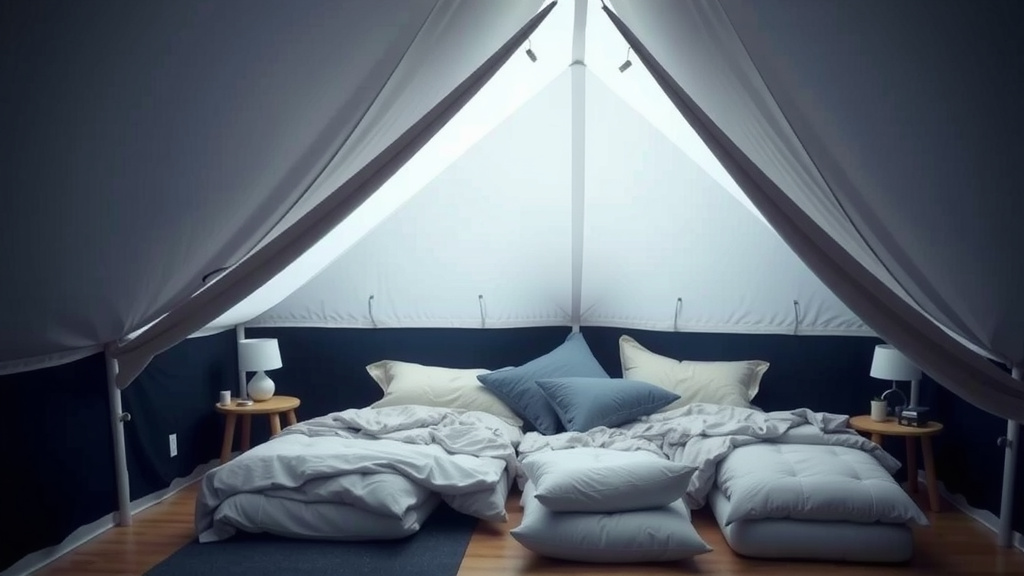
Setting Up and Using Your Dream Tent
Getting started with a dream tent is usually straightforward. Most models are designed for easy assembly. You typically spread out the tent over your bed or sleeping area. Then, you insert the flexible poles into designated sleeves or attach them to connectors. The poles give the tent its structure. You might then secure the tent to the mattress with straps or tucks. This keeps it in place. Always follow the manufacturer’s specific instructions.
Maintenance and Care
Cleaning your dream tent is generally simple. Most fabrics can be wiped down with a damp cloth and mild soap. For deeper cleaning, check the care label. Some may be machine washable on a gentle cycle. Always air dry them completely to prevent mold or mildew. Proper care ensures the tent remains clean and effective for a long time. We found that gentle cleaning is best.
A Quick Checklist for Dream Tent Effectiveness
To get the most out of your dream tent, consider these points:
- Ensure it creates adequate darkness for you.
- Check that the frame is stable and comfortable.
- Verify it offers good ventilation to prevent stuffiness.
- Confirm it feels secure and comforting when inside.
- Assemble it according to instructions for best results.
- Keep it clean for hygiene and longevity.
Conclusion
You’ve learned how dream tents create a personal sleep sanctuary by controlling light, sound, and enclosure. By using light-blocking fabrics and sturdy frames, they signal to your brain that it’s time to rest. This simple yet effective design can improve sleep quality for both children and adults. If you’re looking for an easy way to enhance your sleep environment, consider trying a dream tent.
Your next step is to find a dream tent that fits your needs. Measure your bed space and check user reviews. You might be surprised how much difference a little controlled darkness can make to your rest.
Frequently Asked Questions
Will a dream tent make my room completely silent?
Dream tents are not soundproof. They can, however, help muffle ambient noises. The fabric and enclosed structure act as a buffer. This subtle reduction in noise can create a calmer sleeping atmosphere for you.
Can adults really use dream tents, or are they just for kids?
Absolutely, adults can benefit greatly from dream tents. They are excellent for creating darkness in bright environments. Travelers can use them to maintain a consistent sleep space. Shift workers also find them helpful for daytime sleep.
How do I set up a dream tent on my bed?
Setting up is usually simple. You’ll likely spread the tent over your bed and insert flexible poles into sleeves or connectors to create the frame. Some tents have straps to secure them to the mattress, keeping everything stable.
Are dream tents breathable, or will I get too hot inside?
Most dream tents are designed with breathability in mind. They often use lightweight, opaque fabrics for light blocking. Many also incorporate mesh panels for ventilation. This allows air to circulate, preventing you from feeling stuffy.
How often should I clean my dream tent?
You should clean your dream tent as needed, perhaps every few weeks or if you notice any dust or spills. Many can be wiped down easily. Always check the care label for specific washing instructions. Ensure it’s completely air-dried to keep it fresh and prevent issues.


![7 Best Family Camping Tents 2025 [2026]](https://leonardhomeoutdoor.com/wp-content/uploads/2026/08/7-best-family-camping-tents-2025-2026-featured-768x432.jpg)

![7 Best Bell Tent To Buy [2026]](https://leonardhomeoutdoor.com/wp-content/uploads/2026/08/7-best-bell-tent-to-buy-2026-featured-768x432.jpg)