
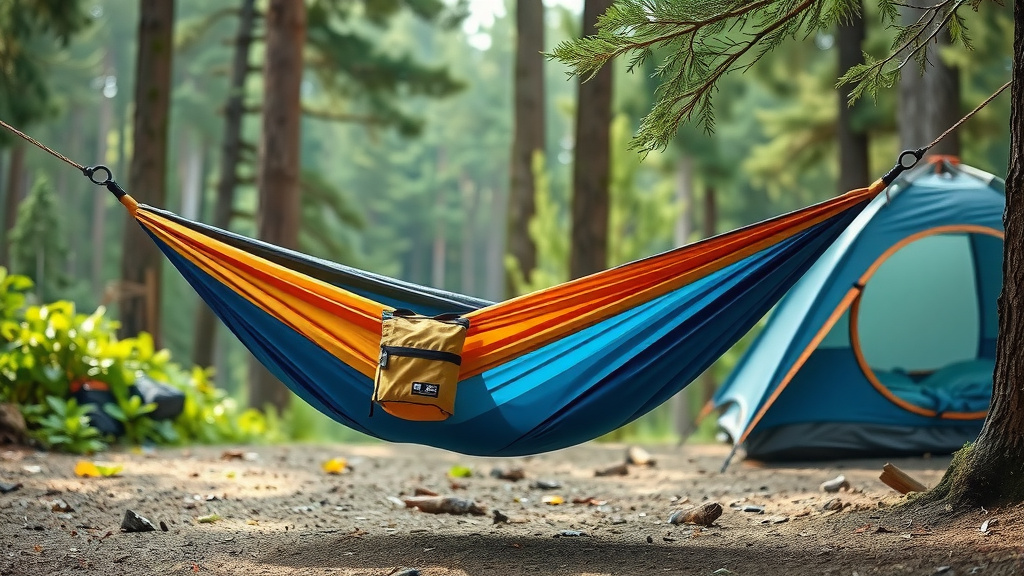
Hammock vs Tent for Hiking: Which is Better August 2026
For your next outdoor adventure, choosing between a hiking hammock and a tent really depends on your priorities. Many backpackers find that a hammock offers superior comfort and a lighter pack weight for sleeping among trees. Tents, on the other hand, provide more versatile shelter in open areas and better protection from bugs and the elements.
When you’re planning where to sleep under the stars, think about the terrain you’ll encounter. If your route promises sturdy trees, a hammock is a fantastic option. If you might be above treeline or in a buggy meadow, a tent becomes the more practical choice. We found that the best gear often depends on the specific trip you have in mind. Our guide to the Appalachian Trail discusses hammock vs. tent choices.
- Hammocks are great for comfort and weight savings when trees are available.
- Tents offer better protection in open areas and against bugs.
- Consider your typical camping environment when deciding.
- Both have pros and cons for different types of trips.
- Your personal comfort preferences also play a big role.
Let’s break down the key differences and help you decide which one is right for your adventures.
“`htmlChoosing Your Sleep System: Hammock or Tent for the Trail
So, you’re heading out into the great outdoors and wondering about your sleeping arrangements. It boils down to what you want from your backcountry sleep. We’ve looked at what makes each a winner for different situations.
Understanding the Hammock Advantage
Hammocks have really gained popularity for a reason. They can offer an incredibly comfortable night’s sleep. Think of it like floating. Many users report feeling more rested than they do in a traditional tent.
Comfort and the “Floating” Sensation
That feeling of suspension is key. You’re not lying on a hard, uneven ground. Your body is cradled. This can lead to fewer pressure points. Some hikers even say it helps with back pain. We found that the best sleep often comes from a system that contours to your body.
Weight and Packability
For backpackers, every ounce counts. Hammock setups are typically lighter than most tents. A basic hammock, suspension straps, and a tarp can weigh less than two pounds. This is a big win when you’re covering miles. We found that this weight savings really adds up over a long trip.
Setting Up Your Hammock
You need two sturdy trees, spaced correctly. That’s the main requirement. Once you’ve found your spot, it’s usually a quick setup. Many systems use carabiners or whoopie slings for easy adjustment. You can often be sleeping in minutes.
Limitations of Hammock Camping
The biggest limitation is the need for trees. If you’re hiking in deserts or above the treeline, a hammock won’t work. Also, bug nets are usually separate purchases. And in very cold weather, you’ll need an underquilt for insulation. This adds weight and complexity. We found that the ideal environment for a hammock is a forested area.
The Enduring Appeal of the Tent
Tents have been the backpacker’s staple for generations. They offer a dependable shelter in almost any environment. They’re like a little portable home on the trail.
Versatility in Location
Tents shine when trees are scarce. Camping in rocky areas, open fields, or even on sand dunes is perfectly fine. You’re not dependent on natural anchors. This makes them incredibly versatile. We found that this adaptability is a major draw for many backpackers.
Protection from the Elements and Critters
Tents offer a full enclosure. This means robust protection from wind, rain, and snow. They also provide a solid barrier against insects and other wildlife. Most come with built-in mesh panels and rainflies for this purpose. You get a secure feeling inside. Many guidelines recommend a fully enclosed shelter for protection against vector-borne diseases (CDC).
Space and Storage
Tents generally offer more interior space than hammocks. You can sit up, change clothes more easily, and spread out a bit. Many tents also have vestibules. These are covered areas outside the main tent body. They’re perfect for storing muddy boots or your pack, keeping the inside clean.
Setting Up Your Tent
Setting up a tent usually involves poles, stakes, and the rainfly. It can take a few minutes longer than a hammock. But with practice, it becomes quite straightforward. Many modern tents use color-coded poles. This makes assembly simple.
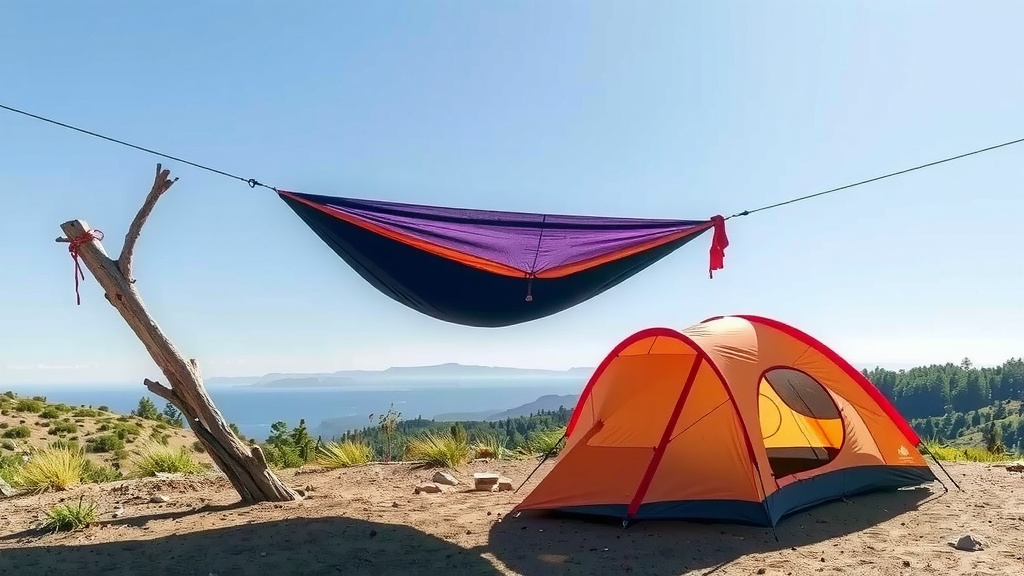
Direct Comparison: Hammock vs. Tent Features
Let’s break down how they stack up head-to-head on key features. This should help you see which one fits your style.
| Feature | Hiking Hammock | Tent |
|---|---|---|
| Comfort | Excellent, like floating | Good, depends on ground |
| Weight | Generally lighter | Can be heavier |
| Setup Location | Requires trees | Any flat ground |
| Bug Protection | Requires separate bug net | Usually integrated |
| Weather Protection | Good with tarp, needs insulation | Excellent, more enclosed |
| Interior Space | Limited | More room to sit/move |
Your Personal Preference Matters Most
At the end of the day, your personal comfort is king. Some people simply do not like the feeling of being suspended. Others find it incredibly relaxing. Think about your past camping experiences.
What Kind of Trips Do You Take?
If you stick to forested trails, a hammock is a strong contender. If you venture into alpine regions or open plains often, a tent is probably more practical. Consider the typical terrain you’ll encounter on your adventures.
Your Comfort Checklist
Ask yourself these questions:
- Do I sleep well on uneven surfaces?
- Am I bothered by bugs in my sleeping area?
- Do I mind carrying a little extra weight for security?
- Do I prefer feeling connected to nature or enclosed in my shelter?
- How important is a quick setup after a long day of hiking?
Your answers will point you toward the right choice for your next trip. We found that clarity on these points makes the decision much easier.
“`Conclusion
Your decision between a hiking hammock and a tent hinges on your personal adventure style. If your hikes are mostly in wooded areas and you prioritize a comfortable, lightweight sleep, a hammock might be your perfect partner. Remember, it offers that unique floating sensation and can shave precious pounds off your pack. On the other hand, if you often camp in open terrain, face unpredictable weather, or simply prefer the security of a fully enclosed space, a tent provides unmatched versatility and protection. Consider your typical camping environment and your comfort preferences. No matter which you choose, planning your sleep system wisely ensures a more enjoyable and restful time outdoors.
Frequently Asked Questions
Can I use a hammock if I don’t have trees on my trip?
No, a hammock is not a suitable option if you won’t have sturdy trees available for setup. You’ll need to rely on a tent for shelter in open areas like deserts or alpine meadows. Tents offer the necessary freestanding or stake-supported shelter.
How do I stay warm in a hammock during cold weather?
Hammocks require an underquilt for insulation in colder temperatures because your body weight compresses sleeping bag insulation. This specialized quilt hangs beneath the hammock, trapping warm air. You’ll also want a warmer sleeping bag.
Are tents really that much heavier than hammocks?
Generally, yes, a complete tent setup (tent body, rainfly, poles, stakes) tends to be heavier than a basic hammock system (hammock, suspension, tarp). However, the weight difference can be less significant when comparing ultralight tents to more elaborate hammock setups with bug nets and winter insulation.
Can I set up a tent on rocky ground?
Yes, you can set up a tent on most rocky ground, though it might require extra care. You’ll need to use rocks to anchor your tent stakes, and it’s a good idea to use a ground cloth to protect the tent floor. Some tents can also be configured to be freestanding without stakes.
Which is better for keeping bugs out: a hammock or a tent?
A tent typically offers superior integrated bug protection. Most tents have built-in mesh panels that create a complete barrier. While hammocks can be fitted with separate bug nets, they add weight and can sometimes be less effective if not perfectly sealed.
![7 Best Teepee Tent For Camping [2026]](https://leonardhomeoutdoor.com/wp-content/uploads/2026/09/7-best-teepee-tent-for-camping-2026-featured-768x432.jpg)
![7 Best Tent For Large Family [2026]](https://leonardhomeoutdoor.com/wp-content/uploads/2026/09/7-best-tent-for-large-family-2026-featured-768x432.jpg)
![7 Best Affordable Waterproof Tent [2026]](https://leonardhomeoutdoor.com/wp-content/uploads/2026/07/7-best-affordable-waterproof-tent-2026-featured-768x432.jpg)
![7 Best Budget Inflatable Tent [2026]](https://leonardhomeoutdoor.com/wp-content/uploads/2026/08/7-best-budget-inflatable-tent-2026-featured-768x432.jpg)