

How Do Inflatable Tents Work?
Inflatable tents work by using a high-pressure air pump to fill special air beams within the tent structure. These air beams act like poles, giving the tent its shape and stability. Once inflated, they create a **strong and rigid frame** that holds the tent up, much like traditional poles but without the metal or fiberglass. It’s a clever system for **quick and easy setup**.
Many campers love inflatable tents because they eliminate the hassle of fiddling with poles. You just pump, and the tent pops up! This makes them a great option for families or anyone who wants to spend more time enjoying the outdoors. We found that the air beam technology has really **revolutionized tent design** for convenience.
- Inflatable tents use air beams instead of poles.
- A pump inflates these beams, creating the tent’s structure.
- This makes setup much faster and easier.
- They offer good stability once inflated.
Ready to ditch the poles and embrace easier camping? Let’s walk through exactly how this innovative system works step by step.
Understanding the Mechanics of Inflatable Tents
Inflatable tents replace traditional poles with sturdy air beams. This might sound a bit unusual at first. But research shows this design offers some real advantages for campers.
How the Air Beams Create Structure
Think of inflatable tents like a sturdy air mattress for your campsite. Instead of metal or fiberglass poles, you have special fabric tubes. These tubes are the heart of the tent’s structure. They are made from a durable material that can handle high pressure without bursting. When you pump air into them, they inflate and become rigid.
These inflated beams act just like poles would. They hold the tent fabric up, creating the familiar tent shape. The key difference is the material. Instead of a solid rod, you have a pressurized air column. This column is surprisingly strong. It can support the tent even in windy conditions.
Material Science Behind the Beams
The fabric used for these air beams is critical. It’s usually a strong polyester or nylon. This material is coated to be airtight and resist punctures. Many manufacturers use a technique called TPU lamination. This adds extra strength and durability to the fabric. It ensures the air stays inside the beams where it belongs.
The Role of the Valve System
Each air beam has a valve. This valve is where the air goes in and out. It’s designed to hold air under pressure. Most valves are one-way. This means air can enter but not escape easily. Some advanced systems have secondary valves. These can help with faster deflation.
Inflation: The Heart of the Process
Getting an inflatable tent set up is all about the inflation. You won’t be threading poles through sleeves anymore. Instead, you connect a pump to the valve. Most tents come with a hand pump. Some higher-end models might even have electric pumps.
The Pumping Action Explained
You work the hand pump, pushing air into the beams. It might feel like a lot of work at first. But you’ll quickly see the tent start to take shape. The beams expand, and the tent fabric lifts. You’ll need to pump until the beams are firm and hold their shape well. Don’t over-inflate; just get them firm enough to be rigid.
Pump Types and Efficiency
Hand pumps are common and reliable. They don’t need power. Electric pumps can speed things up considerably. You just plug them in or use a battery. However, research from camping gear sites suggests that hand pumps are still favored by many for their simplicity and lack of reliance on power sources. You can always use your own muscle power.
Deflation: Packing Up Made Simpler
Deflating an inflatable tent is usually straightforward. Most valves are designed for easy deflation. Some have a specific mechanism to release air quickly. You might need to twist a part of the valve or press a button.
Once the air is out, the tent becomes limp. This makes it much easier to fold and pack. It’s a stark contrast to wrestling with long poles. You can simply roll the tent up. The lack of poles means no need to disassemble them. This is a major time saver at the end of your trip.
Stability and Strength of Air Beams
A common question is about stability. Can an air-filled structure really stand up to wind and weather? Yes, research shows it can. When the air beams are properly inflated, they become very rigid. They can withstand significant pressure.
The way the beams are designed also adds to stability. They are often interconnected. This means the entire structure works together. The tent fabric itself also plays a role. It’s pulled taut by the inflated beams, creating a strong, unified shape. Many campers find they are just as stable, if not more so, than traditional tents (Outdoor Gear Lab).
Comparing Inflatable vs. Traditional Tent Poles
Let’s quickly compare the two systems. It really highlights the advantages of going inflatable. Think about the setup and takedown process. This is where inflatable tents truly shine.
| Feature | Inflatable Tent | Traditional Pole Tent |
|---|---|---|
| Setup Time | Fast (pump and inflate) | Slower (assemble poles, thread through sleeves) |
| Ease of Use | Very easy, less physical effort | Can be fiddly, especially with complex pole systems |
| Packing | Simple, no poles to manage | Disassemble poles, pack separately |
| Weight Distribution | Air beams are lighter than many pole sets | Poles can add significant weight and bulk |
| Potential for Breakage | Punctures are the main concern (repairable) | Poles can bend or snap |
Common Components You’ll Find
Beyond the air beams and fabric, there are a few other key parts. These are standard for most tents but good to know about.
- The Tent Fly: This is the waterproof outer layer. It protects you from rain and sun.
- Groundsheet/Footprint: A protective layer for the bottom of your tent. It prevents wear and tear.
- Stakes and Guy Lines: Essential for securing the tent to the ground. They provide extra stability in wind.
- Repair Kit: Most inflatable tents come with a patch kit. This is for minor punctures to the air beams.
Troubleshooting Common Issues
What if something goes wrong? Most issues are manageable. The main concern is a slow leak or a puncture.
- Slow Leak: This could be a faulty valve or a tiny hole. You might need to re-inflate more often.
- Puncture: For larger tears, use the repair kit provided. It’s similar to patching an inflatable mattress.
- Stiff Beams: On very cold days, the air inside might contract. This can make beams feel less firm. Re-inflating can help.
Your Quick Setup Checklist
Ready to give it a try? Here’s a simple checklist to get you going.
- Find a flat, clear spot for your tent.
- Unroll the tent and locate the inflation points.
- Connect your pump to the first valve.
- Inflate beams until firm, but not over-tight.
- Secure the tent with stakes and guy lines.
- Enjoy your quick setup!
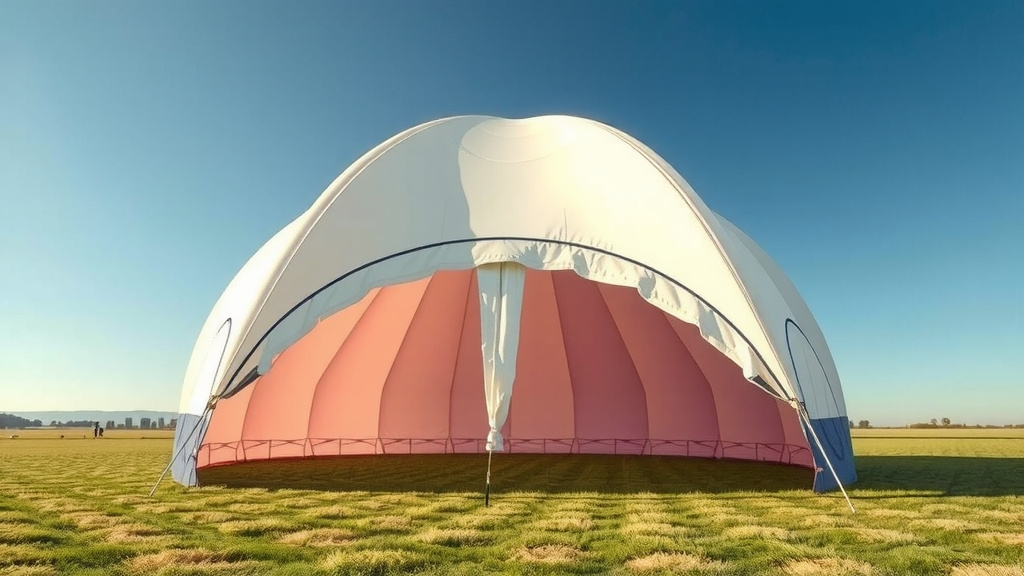
Conclusion
You’ve learned that inflatable tents use robust air beams instead of traditional poles. These beams inflate with air to create a strong, stable structure. This system makes setup incredibly quick and packing up much easier. You can spend less time wrestling with gear and more time enjoying your trip. Ready for your next adventure? Consider an inflatable tent for a simpler, more convenient camping experience.
Frequently Asked Questions
How long does it take to inflate an inflatable tent?
Typically, you can inflate most two-person to four-person inflatable tents in just 5 to 10 minutes. Larger family tents might take a bit longer, but it’s still much faster than assembling poles. You’ll use a hand pump, which is surprisingly efficient.
Are inflatable tents durable enough for windy conditions?
Yes, when properly inflated, the air beams become very rigid and stable. Research from outdoor gear reviewers suggests they can perform just as well as, if not better than, many traditional tents in windy weather. The flexible nature of the air beams can help them absorb wind impact.
What happens if an air beam gets a puncture?
Most inflatable tents come with a repair kit, similar to what you’d use for an air mattress or pool float. For small punctures, you can easily patch them. For larger tears, you might need to contact the manufacturer for a replacement beam, but this is rare.
Do I need a special pump for an inflatable tent?
No, most inflatable tents come with a compatible manual hand pump. You can also purchase electric pumps that will inflate your tent even faster, though you’ll need a power source like a portable battery pack or your car. The key is a pump that can push a good volume of air.
How do inflatable tents compare in weight to traditional tents?
Inflatable tents are often comparable in weight to traditional tents, and sometimes lighter, especially when you factor in the weight of a full pole set. The air beams themselves are relatively lightweight, and the absence of heavy poles can make them easier to transport.


![7 Best Hard Shell Rooftop Tents [2026]](https://leonardhomeoutdoor.com/wp-content/uploads/2026/08/7-best-hard-shell-rooftop-tents-2026-featured-768x432.jpg)

![7 Best Heavy Duty Tent Stakes [2026]](https://leonardhomeoutdoor.com/wp-content/uploads/2026/08/7-best-heavy-duty-tent-stakes-2026-featured-768x432.jpg)