
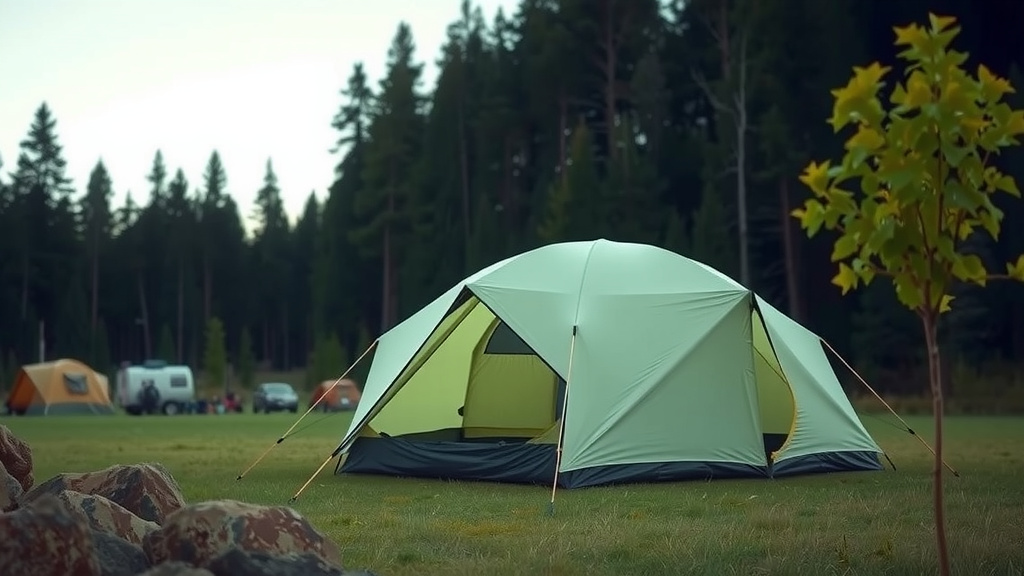
Half Dome vs Quarter Dome Tent: Which Is Right For You
When choosing between a Half Dome tent and a Quarter Dome tent, the main difference is usually stability and space. Half Dome tents, with their more robust, full-dome structure, generally offer better protection against strong winds and more headroom. Quarter Dome tents, on the other hand, are often lighter and more compact, making them a good choice for backpacking where weight is a concern.
Both tent types are designed for camping and outdoor adventures. Your choice will depend on your specific needs, like the weather conditions you expect and how much gear you plan to bring. Understanding the structural differences will help you make a better decision for your next trip.
- Half Dome tents offer better wind resistance and more interior space.
- Quarter Dome tents are typically lighter and more packable.
- Your ideal choice depends on expected weather and gear needs.
- Consider overall weight versus stability for your specific activity.
Let’s break down the key differences so you can pick the perfect tent for your adventures.
Understanding Dome Tent Designs: Half vs. Quarter
When you’re looking at dome tents, you’ll notice two common shapes: the half dome and the quarter dome. They might look similar at first glance, but their structure impacts how they perform in the wild. We’re here to help you figure out which one is the best fit for your next outdoor escape. Think of it like choosing between a sturdy SUV and a nimble sports car – both get you there, but in different ways.
The Classic Half Dome Tent: Stability and Space
A half dome tent is your classic geodesic dome shape, often described as a full dome. Its poles crisscross multiple times, creating a strong, self-supporting structure. This design is like a well-built archway; it can stand up on its own and handle a lot of pressure. Research shows this design distributes stress evenly, making it a reliable choice for unpredictable weather.
Wind Resistance: A Sturdy Shelter
One of the biggest advantages of a half dome tent is its ability to resist wind. Because the poles create a rounded, lower profile and are securely anchored, these tents can withstand stronger gusts. Many campers find that a half dome tent feels much more secure when the wind starts to howl. It’s like having a compact, solid fortress against the elements. This makes them ideal for exposed campsites or areas prone to high winds, such as coastlines or mountain ridges.
Interior Space and Headroom: Stretching Out
You’ll often find that half dome tents offer more interior volume and better headroom. The rounded shape means less wasted space at the edges. You can typically sit up comfortably inside without your head hitting the tent ceiling. This is a big plus if you plan on spending a lot of time inside your tent, perhaps during a rainy afternoon or if you need space to change clothes. Plus, having extra room makes storing your gear inside much easier. Some users report feeling less claustrophobic in these tents.
Setup and Weight Considerations
While generally more stable, half dome tents can sometimes be a bit heavier and take a little longer to set up than their quarter dome counterparts. The extra poles and the more complex pole structure contribute to this. However, many modern designs have simplified the setup process. We found that practicing the setup at home can significantly speed things up in the field. If you’re car camping or doing shorter hikes, the extra weight might not be a major concern.
The Compact Quarter Dome Tent: Lightweight and Packable
A quarter dome tent is essentially a streamlined version of the dome. It uses fewer poles and often has a simpler, more angular shape. Think of it as a dome that’s been slightly flattened or has a more pronounced pitch. This design prioritizes being lightweight and easy to pack down. It’s a popular choice for backpackers and solo hikers where every ounce counts.
Portability: Your Trail Companion
The most significant benefit of a quarter dome tent is its lightweight design and small packed size. Manufacturers achieve this by using fewer poles, lighter materials, and a more efficient shape. This makes it incredibly easy to stash in your backpack without taking up too much valuable space. For long-distance hikers or anyone who values a lighter load on their back, this is a huge advantage. You’ll feel the difference on those long, uphill climbs!
Weather Performance: Good, But Not Extreme
Quarter dome tents are perfectly capable of handling moderate weather conditions. They offer decent protection against rain and typical breezes. However, they might not be the best choice for areas with consistently strong winds or heavy snow loads. Their less robust structure can be more susceptible to being pushed around by high winds. Some models have a more sloped design that can help shed rain and snow, but overall, they are generally less wind-resistant than full half dome tents. We found that proper staking and guying out are even more critical for these tents in breezy conditions.
Interior Space: Cozy, Not Grand
As you might expect, quarter dome tents tend to have less interior space and headroom compared to half dome tents. The design often means sloping walls that limit your usable space, especially towards the edges. Sitting up might be a challenge for taller individuals. This design is more about providing a snug, protected space for sleeping and sheltering. If you’re mostly using your tent to sleep and store your pack, this is usually not a problem. It’s more about function than luxury lounging.
Comparing the Two: A Quick Reference
To help you make your decision, let’s look at how they stack up side-by-side. It’s not about one being definitively “better,” but rather which one suits your specific camping style and needs best.
| Feature | Half Dome Tent | Quarter Dome Tent |
|---|---|---|
| Stability | Excellent, especially in high winds. | Good for moderate conditions, less ideal for strong winds. |
| Interior Space | More headroom and overall volume. | Cozy, with less headroom and sloping walls. |
| Weight | Generally heavier. | Typically lighter. |
| Packability | Larger packed size. | More compact packed size. |
| Setup Complexity | Can be slightly more complex. | Often simpler and quicker. |
| Best For | Car camping, base camps, exposed locations, families. | Backpacking, solo trips, weight-conscious campers. |
Which Tent Design Is Right For You?
Now, let’s put this all together to help you choose. Think about your typical adventures. Are you planning weekend trips where weight isn’t a huge issue, and you might encounter some breezy nights? A half dome tent could be your best bet. Its solid structure offers peace of mind. Many families also prefer the extra space for kids and gear.
On the other hand, if your adventures involve covering many miles with a pack on your back, every ounce matters. A quarter dome tent might be the perfect companion. It’s designed for efficiency and portability, letting you move more freely through the backcountry. We found that for solo trekkers, the lighter weight often outweighs the need for extra space.
Key Takeaways for Your Decision:
To make your final choice, consider these points:
- Your primary activity: Backpacking, car camping, or something else?
- Expected weather: Will you face strong winds or just light showers? When facing strong winds, a tent designed for bad weather is crucial; explore our top picks.
- Your comfort needs: Do you need room to stretch out or just a place to sleep?
- Your gear load: How much equipment will you be carrying?
- Your budget: Sometimes lighter, more technical tents come with a higher price tag.
By thinking through these questions, you’ll be well on your way to selecting the dome tent that will serve you best on your upcoming journeys.
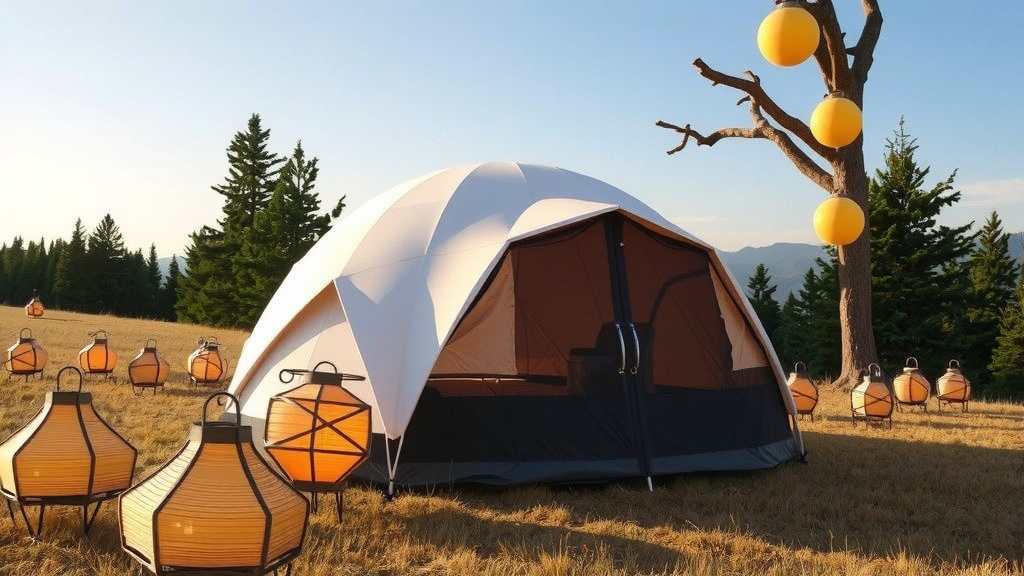
Conclusion
You’ve learned the core differences between Half Dome and Quarter Dome tents. A Half Dome tent offers superior stability and space, perfect for family camping or exposed conditions. A Quarter Dome tent excels in portability and lightness, ideal for long backpacking trips where every ounce matters. Consider your typical adventures, the weather you expect, and your comfort needs. By matching these features to your personal camping style, you can confidently choose the tent that will be your best shelter on the trail. Happy camping!
Frequently Asked Questions
Which tent type is better for beginners?
For beginners, a Half Dome tent might be more forgiving. Its robust structure offers better stability, making setup easier even in breezy conditions. You’ll also appreciate the extra interior space if you’re still getting used to organizing gear inside.
Can a Quarter Dome tent handle rain?
Yes, a Quarter Dome tent can handle moderate rain. Their design usually includes a waterproof rainfly and good ventilation. However, in prolonged or heavy downpours, or if facing strong winds that drive rain sideways, a Half Dome tent would offer more reliable protection.
Are Half Dome tents too heavy for backpacking?
While generally heavier than Quarter Dome tents, many modern Half Dome tents are designed with lighter materials to be more backpack-friendly. If your trips involve moderate distances and you value stability over absolute minimum weight, a Half Dome can still be a viable option for backpacking.
What if I camp in windy areas often?
If you frequently camp in areas known for strong winds, a Half Dome tent is your best bet. Its geodesic structure is inherently more stable and less likely to be buffeted by gusts. Ensure you always stake and guy out your tent properly for maximum wind resistance.
How do I choose between space and weight?
Think about your priorities. If you need room to spread out, store extra gear, or enjoy more comfortable interior living space, prioritize the Half Dome tent. If minimizing your pack weight for long-distance travel is the main goal, the Quarter Dome tent is likely the better choice for your needs.
![7 Best Outdoor Cat Tents [2026]](https://leonardhomeoutdoor.com/wp-content/uploads/2026/08/7-best-outdoor-cat-tents-2026-featured-768x432.jpg)
![7 Best Tent For Large Family [2026]](https://leonardhomeoutdoor.com/wp-content/uploads/2026/09/7-best-tent-for-large-family-2026-featured-768x432.jpg)