
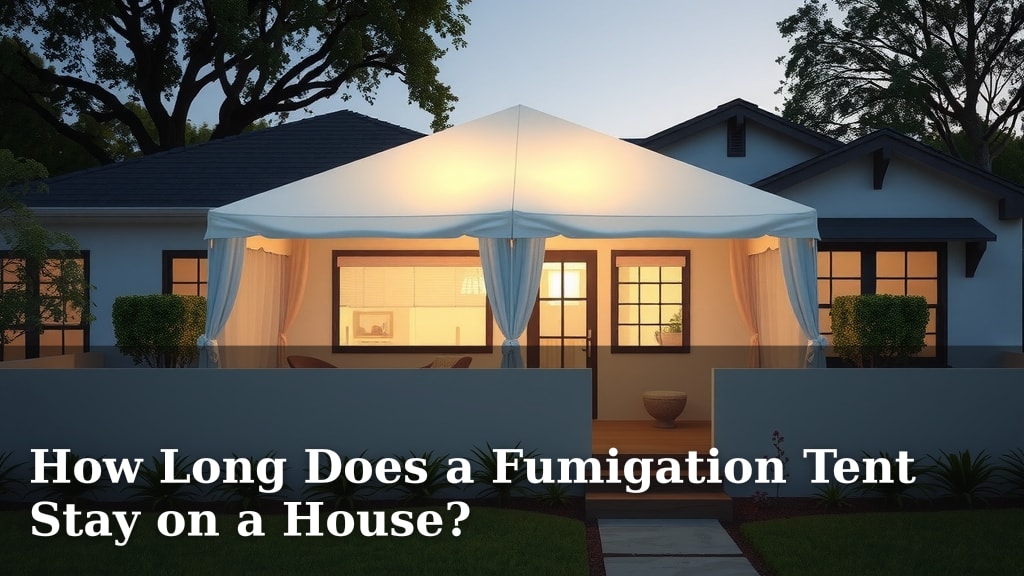
How Long Does a Fumigation Tent Stay on a House?
The fumigation tent typically stays on your house for 2 to 5 days, depending on the specific pest being treated and the size of your home. This timeframe allows the fumigant gas to effectively penetrate all areas and eliminate pests, ensuring complete eradication. It’s a necessary waiting period for your safety and the treatment’s success.
When you see that big, colorful tent covering your house, it’s natural to wonder about the timeline. We found that understanding the reasons behind this duration helps ease any concerns. Factors like temperature and humidity can influence how long the gas remains active and safe to re-enter.
- Fumigation tents usually stay on for 2-5 days.
- This time is needed for the fumigant gas to work.
- It also allows for proper aeration before re-entry.
- The specific pest and home size affect the duration.
Let’s walk through exactly what happens during this process and what you need to know before, during, and after fumigation.
Understanding Your Fumigation Tent Timeline
So, you’ve seen the tent go up. It looks like a giant sleeping bag for your house! You’re probably wondering, “How long does this whole operation take?” We found that the tent typically stays on your home for about 2 to 5 days. This isn’t just random waiting time. It’s a carefully calculated period.
This timeframe is essential for the fumigant gas to do its job thoroughly. It needs enough time to reach every nook and cranny. Think of it like letting a powerful cleaning spray sit on a tough stain. It needs time to break down the grime. Fumigation is similar, but instead of grime, we’re tackling tiny pests.
Why the Waiting Period? The Science Behind Tent Fumigation
The primary reason for the tent staying on is to contain the fumigant gas. This gas is highly effective at eliminating pests like termites and bedbugs. However, it’s also toxic to humans and pets. The tent ensures the gas stays concentrated where it’s needed.
This containment is vital for a few key reasons. First, it maximizes the gas’s effectiveness. A concentrated dose ensures all pests are eradicated. Second, it prevents the gas from escaping into the environment prematurely. This protects your family, neighbors, and local wildlife.
Pest Type: The Biggest Factor
The specific pest you’re dealing with plays a huge role in determining the fumigation duration. Some pests are more resilient than others. For instance, termites, which can be deep within wood structures, often require a longer exposure time. Bedbugs, while persistent, might need a slightly shorter, but very intense, treatment.
We found that different fumigants are used for different pests. Each fumigant has its own properties. Some break down faster than others. The label instructions for each pesticide dictate the required exposure and aeration times (Environmental Protection Agency).
Home Size and Structure: More Space, More Time?
It might seem obvious, but the size of your home matters. A larger home means a larger volume of air to fill with fumigant. This requires more gas and more time for it to circulate and penetrate all areas. Think of it like trying to fill a bathtub versus a swimming pool.
Additionally, the structure of your home can influence the time. Homes with many small rooms, attics, or crawl spaces might take longer to fumigate. These areas can be harder for the gas to reach evenly. Complex layouts often mean the fumigation specialists need a bit more time to ensure complete coverage.
The Role of Environmental Conditions
Did you know that the weather outside can actually affect how long your house stays tented? It’s true! Temperature and humidity are key environmental factors that fumigation professionals consider.
Temperature’s Impact
Many fumigants work best within a specific temperature range. If it’s too cold, the gas may not vaporize properly or might break down too slowly. This would mean it’s not as effective at killing pests. On the flip side, extreme heat can sometimes cause the gas to dissipate too quickly.
We found that pest control companies often schedule fumigations when the weather is moderate. This ensures the fumigant can perform optimally. If temperatures are expected to be too high or too low, the tent might stay on a little longer to compensate. This ensures the gas has enough time to do its job effectively (University of Florida IFAS Extension).
Humidity’s Influence
Humidity also plays a part. High humidity levels can sometimes affect the efficacy of certain fumigants. Water molecules in the air can interact with the gas. This interaction might slow down its breakdown or reduce its pest-killing power.
Professionals monitor these conditions. They adjust their treatment plans accordingly. Sometimes, this means extending the tent-on time slightly. It’s all about ensuring the fumigation is successful and your home is pest-free. Safety and efficacy are always top priorities.
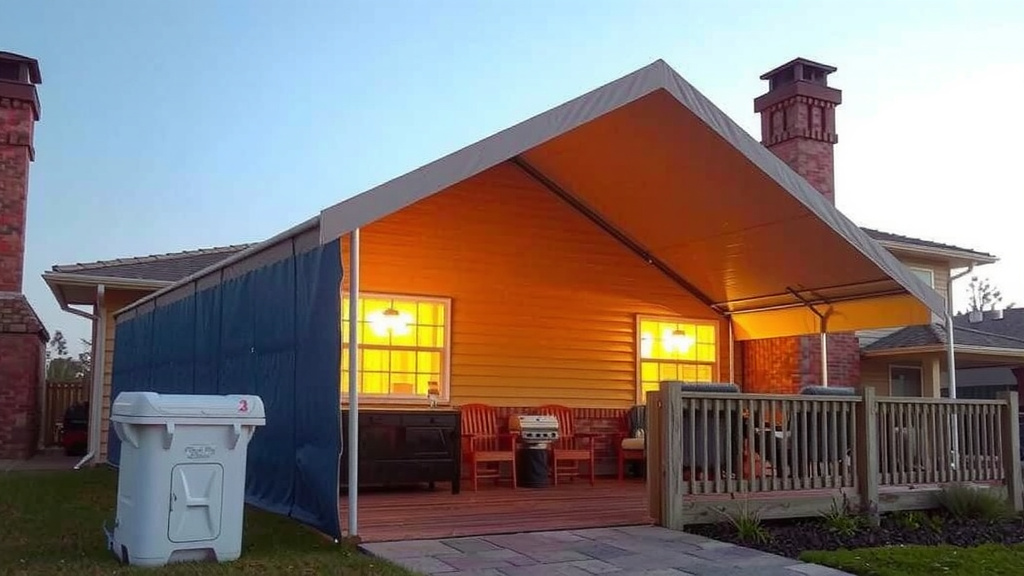
Aeration: The Crucial “Breathing Room” Phase
After the fumigant gas has done its work, there’s a critical period called aeration. This is when the tent is removed, and your home needs to air out completely. This step is non-negotiable for your safety.
The fumigant gas needs to dissipate from your home. It must break down into harmless components. This process can take time. Specialized monitoring equipment is used to ensure the air is safe before you can return. This ensures zero detectable levels of the fumigant remain.
What Happens During Aeration?
During aeration, the tent is carefully removed by the pest control technicians. They will then open doors and windows. This helps to ventilate the house. Fans might also be used to speed up the process. The goal is to circulate fresh air throughout the entire structure.
It’s during this phase that the 2-5 day timeline becomes really important. The duration includes the time the tent is sealed on, plus the aeration time. The pest control company will let you know the exact re-entry time. Never re-enter your home before they give the official clearance.
Your Role: Preparing and Returning
While the fumigation company handles the tenting and gas, you have important tasks before and after. Preparing your home properly helps the fumigation be more effective. It also ensures your safety.
Pre-Fumigation Checklist
- Bag and seal all food, medications, and personal items.
- Remove plants and pets (including fish!).
- Disconnect smoke detectors temporarily.
- Follow specific instructions for items like electronics.
- Secure all outside access points.
Post-Fumigation Clearance
The pest control company will conduct tests. These tests measure the air quality inside your home. They use sensitive equipment to detect any remaining fumigant. You will receive a clearance notification when it is safe to return.
This notification is your green light. It means the aeration process is complete. The levels of fumigant are below safety thresholds. Always follow the company’s instructions regarding when and how to reconnect smoke detectors. Your family’s well-being is the top priority.
Conclusion
You now understand why your home might be under a fumigation tent for 2 to 5 days. This extended period is essential for the fumigant gas to effectively eliminate pests. It also accounts for necessary environmental factors like temperature and humidity. Most importantly, it allows for adequate aeration, ensuring your home is safe for your return. Taking the right preparation steps and waiting for official clearance are vital for your family’s well-being. If you suspect a pest infestation, your next step is to contact a licensed pest control professional for a proper assessment and treatment plan.
Frequently Asked Questions
Can I stay in my home while it’s tented for fumigation?
Absolutely not. You and your family, including pets, must vacate the home for the entire duration the tent is on and during the initial aeration period. The fumigant gas is toxic and requires a complete evacuation for safety. Your pest control company will give you a precise re-entry time.
What happens if the weather is bad during fumigation?
Bad weather, especially heavy rain or high winds, can sometimes affect the fumigation process. If conditions are unfavorable, the pest control company may need to extend the time the tent stays on to ensure the gas has enough time to work effectively and safely dissipate. They will monitor conditions closely.
How do I know for sure my house is safe to re-enter after fumigation?
Your pest control company is responsible for testing the air quality inside your home after the fumigation and aeration. They use specialized equipment to detect any remaining fumigant. You will receive a formal clearance notification directly from them, confirming it is safe to return.
Will the fumigation tent kill all types of pests?
Fumigation is highly effective against many common household pests, particularly termites, bedbugs, and cockroaches. However, the type of pest and its life cycle can influence the required treatment duration. Your pest control professional will determine the appropriate fumigant and exposure time for your specific infestation.
What if I accidentally go back into my house too early?
Re-entering your home before official clearance can be extremely dangerous due to toxic gas levels. If you suspect you have returned too soon, or if you experience any unusual symptoms like dizziness or nausea, leave the house immediately and contact your pest control company and emergency services.
![7 Best Tent For Large Family [2026]](https://leonardhomeoutdoor.com/wp-content/uploads/2026/09/7-best-tent-for-large-family-2026-featured-768x432.jpg)
![7 Best Buy Tents [2026]](https://leonardhomeoutdoor.com/wp-content/uploads/2026/08/7-best-buy-tents-2026-featured-768x432.jpg)

![7 Best Tent Ac Unit [2026]](https://leonardhomeoutdoor.com/wp-content/uploads/2026/09/7-best-tent-ac-unit-2026-featured-768x432.jpg)
![7 Best Beginner Backpacking Tent [2026]](https://leonardhomeoutdoor.com/wp-content/uploads/2026/08/7-best-beginner-backpacking-tent-2026-featured-768x432.jpg)