
How to Keep a Tent Warm in Winter
Keeping your tent warm in winter is totally doable with the right strategies. You can create a cozy sanctuary by focusing on insulation and blocking drafts. Proper preparation means you won’t be shivering all night, even when the temperature drops.
Winter camping requires a bit more planning than summer trips. Think about your gear, your sleeping bag’s rating, and how to manage moisture. Many campers find that combining a few simple techniques makes a huge difference. You’ll want to focus on retaining body heat effectively.
- Block drafts from the ground up.
- Use your sleeping bag wisely.
- Ventilate properly to reduce condensation.
- Insulate your tent walls.
- Consider a small heater if safe.
Below, we’ll walk you through exactly how to keep your tent toasty when it’s freezing outside.
Making Your Tent a Winter Wonderland (Without the Shivers)
Keeping your tent warm when winter bites is all about smart insulation and smart airflow. You don’t need a full cabin to stay comfortable. We’ll guide you through simple yet effective ways to trap heat and keep the cold out, making your winter camping trip a cozy success. It’s easier than you think to create a toasty haven.
Ground Game: Stopping the Cold Seep
Think of the ground as a giant refrigerator. It will suck the warmth right out of your tent if you let it. This is why your ground insulation is super important. You need a barrier between you and the frozen earth.
The Mighty Sleeping Pad
Your sleeping pad is more than just comfort; it’s your first line of defense against the cold floor. For winter camping, you’ll want a pad with a high R-value. The R-value measures a pad’s resistance to heat flow. Higher is better!
- For mild winter conditions, an R-value of 2-4 might suffice.
- For serious cold, aim for R-values of 4 or higher.
- Consider using two pads: a closed-cell foam pad for durability and insulation, topped with an inflatable air pad for extra cushioning and warmth.
Tarp and Ground Cloth Tactics
Before your sleeping pad, lay down a groundsheet or a durable tarp. This adds an extra layer of protection. It keeps moisture away from your tent floor and provides a bit more insulation. Make sure the tarp is slightly smaller than your tent floor. This prevents rain or snow from pooling on it and running underneath.
Tent Wall Insulation: Building Your Cozy Bubble
Your tent fabric alone isn’t great at holding heat. It’s designed more for wind and rain protection. You need to add layers to keep your body heat inside.
Reflective Barriers
Mylar emergency blankets can be a lifesaver. You can tape these reflective sheets to the inside walls of your tent. They work by bouncing your body heat back into the tent. Research shows reflective surfaces can significantly reduce heat loss (NCBI).
Think of it like wrapping your tent in a cozy, shiny hug. It’s lightweight and doesn’t take up much space. Make sure the shiny side faces inward to reflect your warmth.
Extra Layers and Covers
Some campers use a tent footprint or an extra tarp over their tent. This adds an outer layer. It can trap a bit more air and provide an additional barrier against the cold. Consider a dedicated winter tent. These often have thicker fabrics and better insulation built-in.
Sleeping Bag Strategies for Maximum Warmth
Your sleeping bag is your personal micro-environment. Using it correctly is key to staying warm.
Choosing the Right Bag
This is non-negotiable for winter camping. You need a sleeping bag rated for the temperatures you expect. A bag rated for 0°F (-18°C) or lower is usually recommended for winter. Remember, bag ratings are often for survival, not comfort. Consider a bag with a lower temperature rating for a truly cozy night.
The Liner Trick
A sleeping bag liner can add up to 15°F (8°C) of warmth. They come in various materials like fleece or silk. A fleece liner is excellent for trapping heat. It’s like adding a warm blanket inside your sleeping bag. This simple addition makes a big difference.
Keep it Dry, Keep it Warm
Moisture is the enemy of warmth in a tent. Your sleeping bag loses its loft and insulating power when it’s damp. Always store your sleeping bag in a waterproof stuff sack. Try to keep it dry inside the tent as much as possible.
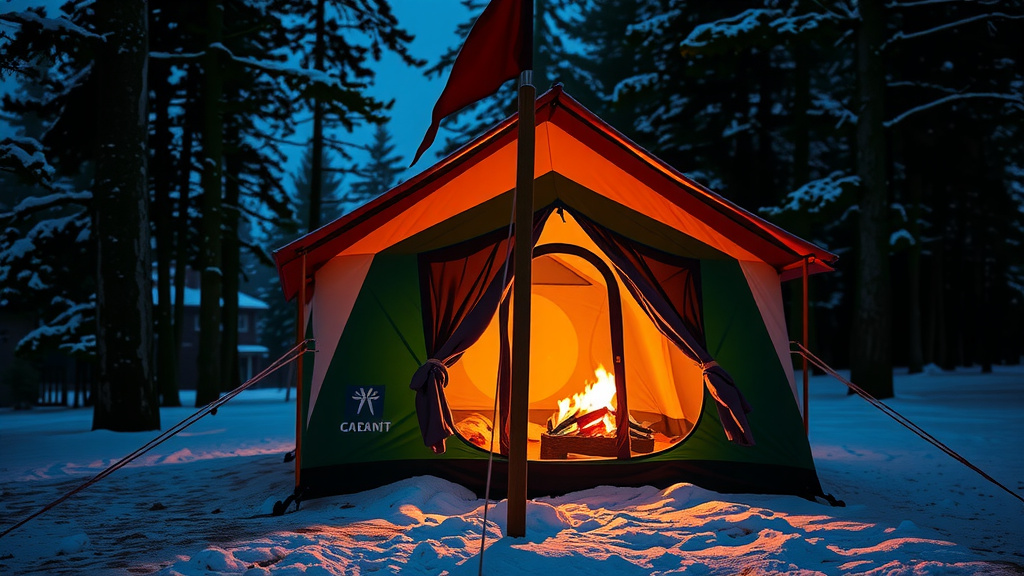
Ventilation: The Surprising Warmth Secret
This might sound backward, but ventilation is vital for keeping your tent warm and dry. Trapped moisture from your breath can freeze and make everything damp. This makes you colder.
Managing Condensation
You and your camping companions produce a lot of moisture overnight. This moisture turns into condensation on the tent walls. Proper ventilation helps this moisture escape. Open your tent vents slightly, even when it’s cold.
The Importance of Airflow
Many modern tents have built-in vents. Use them! Open them just a crack. This allows humid air to escape. It prevents frost from forming inside your tent. You want a gentle flow of fresh air. This helps maintain a more stable and comfortable temperature. Many tent manufacturers recommend this practice (REI).
Heating Solutions: When a Little Extra Boost is Needed
Sometimes, even with the best insulation, you might want a little extra heat. Safety is the absolute top priority here.
Tent Heaters: Use with Extreme Caution
There are small, portable propane heaters designed for tents. However, these come with significant risks. They produce carbon monoxide, which is odorless and deadly. Always ensure your tent is well-ventilated if you use one. Never sleep with a heater running unattended. Many experts strongly advise against using them without extreme caution and proper safety measures (NPS).
Make sure you have a working carbon monoxide detector inside your tent. This is a non-negotiable safety item if you consider any type of fuel-burning heater.
Alternative Warming Methods
Hot water bottles can be a fantastic and safe way to warm up. Fill a sturdy, leak-proof bottle with hot (not boiling) water. Place it in your sleeping bag before you go to bed. It acts like a gentle, long-lasting heat source. Hand warmers or foot warmers can also provide localized warmth.
Quick Checklist for a Toasty Tent
- Insulate from the ground up with a high R-value sleeping pad.
- Use a ground tarp or footprint for an extra layer.
- Pack a sleeping bag rated for colder temperatures than you expect.
- Consider a sleeping bag liner for added warmth.
- Ventilate your tent slightly to manage moisture.
- Keep a carbon monoxide detector handy if using any heaters.
Conclusion
You now have the tools to conquer winter camping and keep your tent wonderfully warm. Remember, the key is smart layering, both on the ground and within your sleeping system. By focusing on blocking drafts, insulating your sleeping pad and walls, and managing moisture through ventilation, you create a truly cozy microclimate. Don’t forget the safety aspect, especially if considering any heat sources. Prepare well, and your winter nights under the stars will be comfortable and memorable. Your next winter adventure awaits – go enjoy it!
Frequently Asked Questions
What’s the most important thing for keeping a tent warm?
The most critical factor is ground insulation. The cold earth will sap your tent’s heat quickly. Using a sleeping pad with a high R-value is your first and best defense against this heat loss. Layering another pad or a tarp underneath adds even more protection.
How much warmer can a sleeping bag liner make me?
Research and found that a good sleeping bag liner can add anywhere from 5°F to 15°F (3°C to 8°C) of warmth. This makes a big difference, especially if your sleeping bag is rated for the edge of your expected temperatures. Fleece liners offer excellent heat retention.
Is it really necessary to ventilate a tent in the cold?
Yes, it is absolutely necessary! Even in freezing temperatures, you and any companions produce a lot of moisture from breathing. Without ventilation, this moisture will condense on your tent walls and freeze, making everything damp and colder. Opening vents slightly allows this humid air to escape.
Can I use a small propane heater in my tent safely?
Using fuel-burning heaters in a tent requires extreme caution. They produce carbon monoxide, which is odorless and deadly. If you choose to use one, you must have a working carbon monoxide detector and ensure your tent is always well-ventilated. Never sleep with a heater running unattended.
What’s the best way to prevent condensation inside my tent?
Proper ventilation is your primary tool against condensation. Ensure your tent’s vents are open at least a crack, even when it’s cold outside. This allows moist air from your breath to escape before it can freeze onto the tent fabric. Keeping wet gear outside the main sleeping area also helps.

![7 Best Budget Camping Tents [2026]](https://leonardhomeoutdoor.com/wp-content/uploads/2026/08/7-best-budget-camping-tents-2026-featured-768x432.jpg)

![7 Best Family Tents [2026]](https://leonardhomeoutdoor.com/wp-content/uploads/2026/06/7-best-family-tents-2026-featured-768x432.jpg)