

2 Season vs 3 Season Tent: Which is Right for You
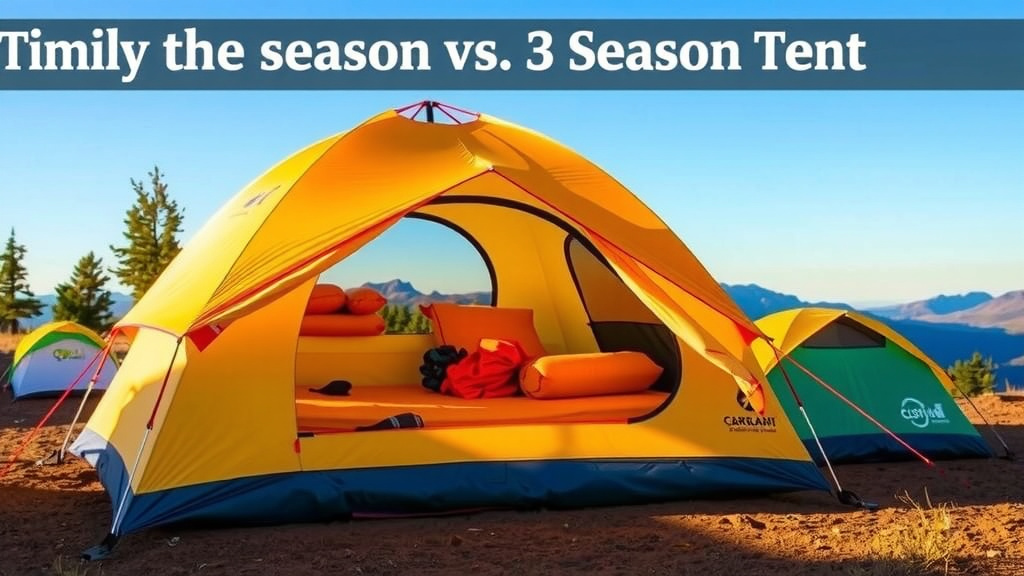
Choosing between a 2-season and a 3-season tent depends mainly on your camping plans. A 3-season tent is best for most campers, offering a good balance for spring, summer, and fall. A 2-season tent is lighter and designed for warmer weather only, like casual summer camping.
We found that understanding your typical camping environment is key. If you plan on hitting the trails during fair weather and avoiding snowy or windy conditions, a 2-season might seem tempting. But for general use, a 3-season tent offers better versatility and durability.
- 3-season tents are for spring, summer, and fall camping.
- They handle rain and moderate wind well.
- 2-season tents are lighter and for warm weather only.
- They are not suitable for wind or colder nights.
- Your camping location and season should guide your choice.
Let’s break down the differences to help you pick the perfect tent for your next adventure.
Choosing Your Camping Tent: 2-Season vs. 3-Season
Deciding between a 2-season and a 3-season tent is a pretty straightforward process. It really comes down to where and when you plan to camp. Think of it like picking the right shoes for an activity; you wouldn’t wear flip-flops for a hike, right?
Understanding Tent Seasonality
Tents are rated by season to help you understand their capabilities. This rating tells you about their ability to withstand different weather conditions. It’s not about how many seasons they can physically survive, but rather how well they perform in different weather.
What Does a “Season” Mean for a Tent?
The season rating is a guide for temperature and weather resistance. A 1-season tent is for summer only. A 2-season tent is still mostly for warm weather. A 3-season tent is your all-arounder for most non-winter conditions. We found that most campers will find a 3-season tent meets their needs.
The Strengths of a 2-Season Tent
A 2-season tent is designed for very specific, mild conditions. You’ll find these tents are often lighter and more budget-friendly. They focus on ventilation and keeping you cool.
When a 2-Season Tent Shines
These tents are perfect for casual campers. Think of summer festivals or backyard camping with the kids. They offer good airflow and protection from bugs. You can expect basic shelter from light rain. However, they are not built for much else.
Limitations of a 2-Season Tent
The main drawback is their lack of durability in rougher weather. They generally have less robust poles and fabric. Strong winds can easily damage them. Cold nights are also an issue, as they offer little insulation.
The Versatility of a 3-Season Tent
A 3-season tent is the workhorse for the majority of campers. It strikes a balance between being lightweight and offering good protection. This tent type is ready for spring, summer, and fall adventures.
Features of a 3-Season Tent
You’ll notice a few key differences. The poles are typically stronger and more flexible. The fabric is often a bit more durable to handle varied conditions. Most importantly, they have better rainfly coverage. This means more protection from rain and wind.
Ventilation and Protection in a 3-Season Tent
These tents manage airflow well without sacrificing weather protection. They usually have mesh panels for ventilation. This helps reduce condensation inside the tent on humid nights. The rainfly is designed to keep you dry during downpours. Many experts suggest good ventilation is key to a comfortable camping trip (National Park Service).
When to Choose a 3-Season Tent
If you plan on hiking, backpacking, or car camping in anything but winter, a 3-season tent is likely your best bet. They handle moderate rain and wind with ease. We found that they are suitable for temperatures ranging from cool spring evenings to warm summer nights.
| Feature | 2-Season Tent | 3-Season Tent |
|---|---|---|
| Best For | Warm, fair weather, mild nights | Spring, Summer, Fall; moderate rain & wind |
| Durability | Lightweight, less robust | Moderate to good, stronger poles |
| Weather Protection | Light rain, bugs | Moderate rain, wind, UV |
| Ventilation | High, focus on cooling | Good balance, mesh panels |
| Weight | Often lighter | Slightly heavier, but manageable |
Making Your Final Decision
So, how do you pick the right one for you? Start by thinking about your camping habits. Ask yourself a few key questions.
Consider Your Camping Style
Are you a fair-weather camper who enjoys short trips? Or do you plan on longer adventures with unpredictable weather? If you’re just starting or only camp on sunny days, a 2-season might seem appealing. But remember, even summer can bring unexpected storms.
Your Location Matters
Where do you typically camp? Coastal areas can be windy. Mountain regions can experience sudden drops in temperature. If you anticipate any wind or cooler evenings, a 3-season tent offers peace of mind. Research from the American Meteorological Society often highlights the variability of weather, even in warmer months.
A Quick Checklist for Your Tent Choice
To help you decide, run through this quick checklist:
- Planned activities: Festivals, backyard vs. hiking, backpacking?
- Typical weather: Mostly sunny and warm, or chances of rain and wind?
- Temperature range: Do nights get cooler than you expect?
- Budget: Are you looking for the absolute lightest, or a reliable all-rounder?
- Durability needs: Will your tent be subjected to rougher conditions?
For most people, the answer points towards a 3-season tent. It’s a wise investment for a wider range of camping experiences. You get better protection and durability without a huge weight penalty. We found that this versatility makes it the top choice for most outdoor enthusiasts.
Conclusion
You’ve learned that your camping style and typical environment are the biggest factors in choosing between a 2-season and a 3-season tent. For most campers seeking versatility and durability, a 3-season tent is the clear winner, handling spring, summer, and fall conditions with ease. While a 2-season tent is lighter and cooler, it’s best suited for very mild, warm-weather use. Consider where you’ll set up camp and when. If you’re ready to make a choice, think about your next planned trip and select the tent that offers you the most reliable shelter and comfort.
Frequently Asked Questions
Can a 2-season tent be used in early fall?
Generally, a 2-season tent is not recommended for early fall camping. Fall evenings can bring cooler temperatures and unexpected rain showers. You’ll likely find yourself wishing for better wind resistance and insulation. A 3-season tent offers the necessary protection for those transitional weather conditions.
What is the main difference in durability between the two tent types?
The primary difference in durability lies in the materials and construction. 3-season tents typically feature stronger poles and more robust fabric designed to withstand moderate wind and rain. 2-season tents use lighter materials focused on ventilation and ease of packing, making them less suited for challenging weather.
Will a 3-season tent be too hot for summer camping?
Not at all. 3-season tents are designed for a balance of protection and ventilation. They often include mesh panels and good airflow systems to keep you comfortable on warmer summer nights. You’ll get good protection from sun and bugs without feeling stuffy.
Are 2-season tents significantly cheaper than 3-season tents?
Often, 2-season tents are more budget-friendly due to their simpler design and lighter materials. However, the price difference isn’t always drastic. Many reliable 3-season tents offer excellent value for their enhanced durability and versatility, making them a worthwhile investment for frequent campers.
When would someone realistically choose a 2-season tent over a 3-season tent?
You might choose a 2-season tent if your camping is limited exclusively to hot summer months and fair weather. This includes events like summer music festivals or camping in your backyard with kids. If you know you’ll only encounter warm, calm conditions and maybe a very light shower, a 2-season tent could suffice.
![7 Best Backpacking Tent [2026]](https://leonardhomeoutdoor.com/wp-content/uploads/2026/06/7-best-backpacking-tent-2026-featured-768x432.jpg)
![7 Best Budget Rooftop Tent [2026]](https://leonardhomeoutdoor.com/wp-content/uploads/2026/08/7-best-budget-rooftop-tent-2026-featured-768x432.jpg)
One Comment