Winter Tent vs 3 Season: Which Is Right for You
Choosing between a winter tent and a 3-season tent comes down to one main thing: your camping plans. A winter tent is built for extreme cold, snow, and high winds, while a 3-season tent is best for milder conditions like spring, summer, and fall. You wouldn’t use a snowshoe for a beach trip, and the same goes for your tent!
We found that the key differences lie in their durability, pole strength, and ventilation design. Winter tents use stronger poles and thicker fabric to withstand harsh weather. They often have features to manage condensation, a big issue when it’s cold outside. A 3-season tent prioritizes lightness and breathability for warmer months.
- Winter tents are for snow and strong winds.
- 3-season tents are for spring, summer, and fall.
- Winter tents have stronger poles and thicker fabric.
- 3-season tents are lighter and more breathable.
- Your camping location and season determine your choice.
Let’s dive into the specific features that set these tents apart so you can pick the perfect shelter for your adventures.
Tent Choices for Different Weather Conditions
Deciding between a winter tent and a 3-season tent really hinges on where and when you plan to camp. Think of it like choosing the right shoes for an activity. You wouldn’t wear flip-flops for a hike in the snow, right? Similarly, your tent needs to match the environment.
Understanding the Core Differences: Winter vs. 3-Season Tents
These tents are designed with very different goals in mind. A winter tent is your heavy-duty shield against the elements. A 3-season tent is built for comfort in milder weather. Let’s break down what makes them distinct.
Durability and Pole Strength
When the wind howls and snow piles up, you need a tent that can take a beating. Winter tents feature stronger poles, often made from thicker aluminum. These poles are designed to flex without breaking under heavy loads, like snow or strong winds. The fabric is also typically thicker and more robust to resist tears and withstand harsh conditions.
Many experts say that the pole system is the backbone of any tent’s stability (REI Co-op). For winter tents, this means robust shock-corded poles that can handle significant stress. You’ll also notice that winter tents often have more pole sets that cross over the main body. This creates a very strong geodesic or semi-geodesic shape that sheds wind and snow effectively.
Fabric and Ventilation for Temperature Control
The materials used are a big differentiator. Winter tents often use durable, ripstop nylon or polyester. These fabrics are designed to stand up to cold temperatures without becoming brittle. They might also have a higher denier count, meaning the fabric is thicker and tougher. This adds weight, but it’s a necessary trade-off for protection.
On the flip side, 3-season tents prioritize lightweight fabrics and breathability. They often use lighter denier nylons or polyesters. Mesh panels are common in 3-season tents to allow for ample airflow, keeping you cool on warm summer nights. While great for breathability, this mesh offers little insulation against the cold.
Ventilation is handled differently too. In a 3-season tent, you want to maximize airflow to prevent condensation and stay comfortable when it’s warm. You’ll find large mesh windows and vents that you can open wide.
Winter tents, however, need to manage moisture while keeping warmth inside. They often have smaller, strategically placed vents. These vents can usually be closed to keep heat in. Their design aims to reduce condensation buildup, which can freeze and add weight to your tent. Many studies show that managing condensation is key to comfort in cold weather camping (National Park Service).
Design Features for Snow and Wind
When you look at a winter tent, you’ll notice a few things that scream “snow-ready.” Many have a full-coverage rainfly that extends all the way to the ground. This helps keep snow and wind from blowing underneath your tent. Some even have a “skirt” around the base that you can bury in snow to create an extra seal against drafts.
These tents are also designed to be low-profile. A dome or geodesic shape helps reduce wind resistance. You won’t find many large, airy windows on a true winter tent; they are built for protection first and foremost. The doors might also be smaller to minimize heat loss when you enter or exit.
In contrast, a 3-season tent is designed for milder conditions. They often have rainflies that cover the top portion of the tent, leaving some mesh exposed. This allows for good ventilation, which is essential when temperatures are above freezing. The poles are usually lighter, and the overall structure is less rigid than a winter tent.
Snow Load Considerations
Winter tents are engineered to handle the weight of snow accumulating on top. The strong pole structure and sloped design help shed snow. A 3-season tent can collapse under even a moderate amount of snow. So, if your trip involves potential snowfall, a winter tent is a non-negotiable safety feature.
Wind Resistance
Wind is a major factor in cold-weather camping. Winter tents are built with aerodynamic shapes and strong guying points to withstand high winds. This keeps your shelter stable and prevents it from being ripped apart. A 3-season tent might struggle in winds that a winter tent would barely notice.
Weight and Packability
Generally, 3-season tents are lighter and more compact than winter tents. This is because they use lighter materials and have simpler pole structures. Backpackers often choose 3-season tents for this reason, especially for longer treks in fair weather. If your primary goal is to shave ounces off your pack, a 3-season tent is the way to go for warmer months.
Winter tents, by necessity, are heavier. The reinforced poles, thicker fabrics, and additional features all add up. However, if you’re car camping or on a winter expedition where weight is less critical than protection, the extra pounds are well worth it. We found that for winter expeditions, stability and protection always trump weight savings.
Capacity and Space
Both types of tents come in various sizes, from solo shelters to larger family or group tents. However, winter tents often have a more compact interior for their stated capacity. This helps to keep the space warmer by reducing the volume of air that needs to be heated by body warmth. You might feel a bit cozier, which is often a good thing when it’s freezing outside!
A 3-season tent might offer more headroom and interior space for its capacity. This is great for comfort during warmer months when you might spend more time inside during the day. It feels more open and airy. This trade-off is often acceptable when you don’t need to worry about extreme cold.
Making Your Choice: Key Considerations
So, which one is right for you? It boils down to your intended use. Ask yourself:
- What kind of weather do I expect?
- Will there be snow or freezing temperatures?
- How strong are the winds likely to be?
- Will I be carrying my gear a long distance?
When to Choose a Winter Tent
You absolutely need a winter tent if your camping plans include:
- Camping in snowy conditions.
- Temperatures consistently below freezing.
- Areas known for high winds.
- Mountaineering or high-altitude expeditions in colder months.
- Car camping where weight is not a primary concern, but warmth and durability are.
A winter tent is a serious investment in safety and comfort when facing harsh elements. Many experienced winter campers say it’s the most critical piece of gear for surviving and enjoying the cold (Backpacker Magazine).
When a 3-Season Tent is Sufficient
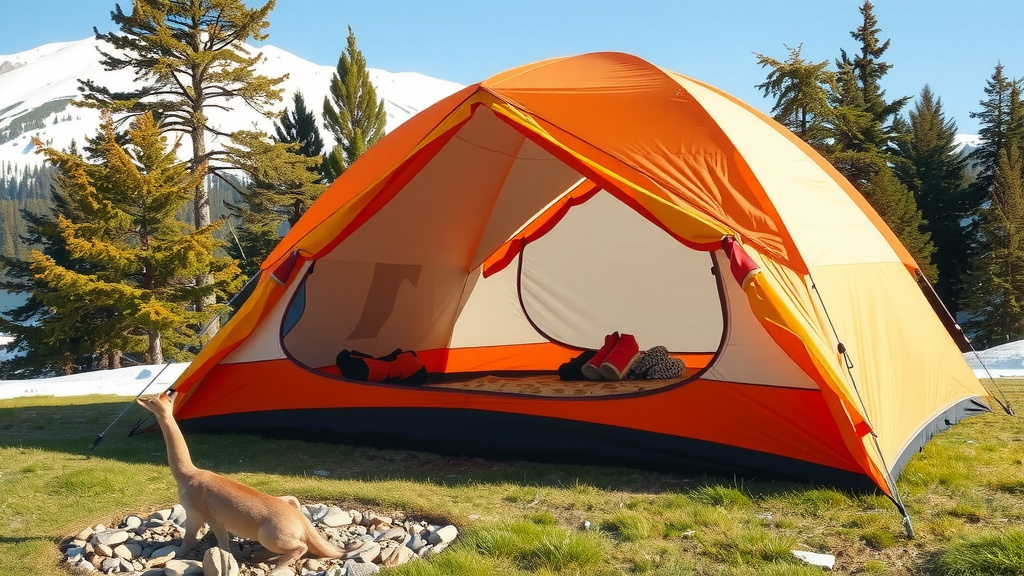
A 3-season tent is your best bet for the majority of camping trips. This includes:
- Spring, summer, and fall camping.
- Campgrounds or trails where snow is unlikely.
- Temperatures generally staying above 30°F (-1°C).
- Backpacking where weight and packability are important.
- Casual car camping in mild weather.
These tents offer a great balance of ventilation, light weight, and adequate protection for fair-weather conditions. They are more affordable and easier to manage for everyday camping adventures.
The Mid-Weight Option: 3-4 Season Tents
It’s worth mentioning that some tents are marketed as “3-4 season.” These tents offer a bit more robustness than a standard 3-season tent. They might have stronger poles and a rainfly that offers better coverage. They can handle light snow and some wind but aren’t built for the extreme conditions a dedicated winter tent can manage. If you occasionally camp in shoulder seasons with a chance of light snow, a 3-4 season tent could be a good compromise.
Quick Comparison Table
| Feature | Winter Tent | 3-Season Tent |
|---|---|---|
| Pole Strength | High (thicker aluminum) | Moderate (lighter aluminum or fiberglass) |
| Fabric Durability | High (thicker, ripstop materials) | Moderate (lighter, breathable materials) |
| Rainfly Coverage | Full coverage to the ground | Partial coverage, often with large mesh panels |
| Ventilation | Limited, closable vents for warmth | High, large mesh panels for airflow |
| Wind Resistance | Excellent, aerodynamic design | Good for moderate winds |
| Snow Load Capacity | Designed to handle snow weight | Not designed for snow load |
| Weight | Heavier | Lighter |
| Best For | Extreme cold, snow, high winds | Spring, summer, fall camping in mild conditions |
Your Camping Checklist
To help you make the right choice, consider these points before buying:
- What season will you primarily camp in?
- What are the typical weather conditions for your chosen camping spots?
- Will you encounter snow, ice, or freezing rain?
- How important is weight and packability for your type of trips?
- Do you need protection from high winds?
- What’s your budget for this essential piece of gear?
Conclusion
Choosing the right tent is about matching your gear to your adventures. You’ve learned that a winter tent is your robust shield against harsh conditions like snow and high winds, built for durability and warmth. On the other hand, a 3-season tent is your lightweight companion for milder spring, summer, and fall camping, prioritizing breathability and packability. Consider your typical camping environment and the weather you expect to face. By understanding these core differences, you can confidently select the tent that ensures your safety and comfort on every trip. Now go plan your next expedition with the perfect shelter in mind!
Frequently Asked Questions
Can I use a 3-season tent in light snow?
Generally, it’s not recommended. A 3-season tent lacks the strong pole structure and full-coverage rainfly needed to handle snow load. While it might survive a very light dusting, heavier snow or freezing rain can cause it to collapse, posing a safety risk. Stick to dedicated winter tents for snowy conditions.
Are winter tents much heavier than 3-season tents?
Yes, winter tents are typically heavier. They use stronger, thicker materials and more robust pole systems to withstand extreme weather. This extra weight is a trade-off for superior protection and durability in cold, windy, and snowy environments. If weight is your top concern, a 3-season tent is a better choice for milder weather.
How do I prevent condensation in my winter tent?
Condensation management is key in winter tents. Proper ventilation is essential, even when it’s cold. Use the tent’s closable vents to allow moist air to escape while keeping warmth in. Avoid breathing directly onto the tent walls and manage cooking and stove use carefully inside. Some tents also have specialized features to help channel moisture away.
Is a 3-4 season tent a good compromise?
A 3-4 season tent can be a good middle-ground if you camp in shoulder seasons with occasional light snow or stronger winds. They offer more durability and better rainfly coverage than a standard 3-season tent but aren’t as heavy-duty as a full winter tent. If your trips are mostly mild with occasional challenging weather, this might suit your needs.
Why do winter tents have a lower profile?
Winter tents are designed with a lower profile, often with dome or geodesic shapes, to reduce wind resistance. This aerodynamic design helps them shed strong winds more effectively, preventing the tent from being buffeted or damaged. It also helps to keep the interior warmer by minimizing the volume of air that needs to be heated.