Wolf Walker vs Lone Rider Tent: Which is Best for You
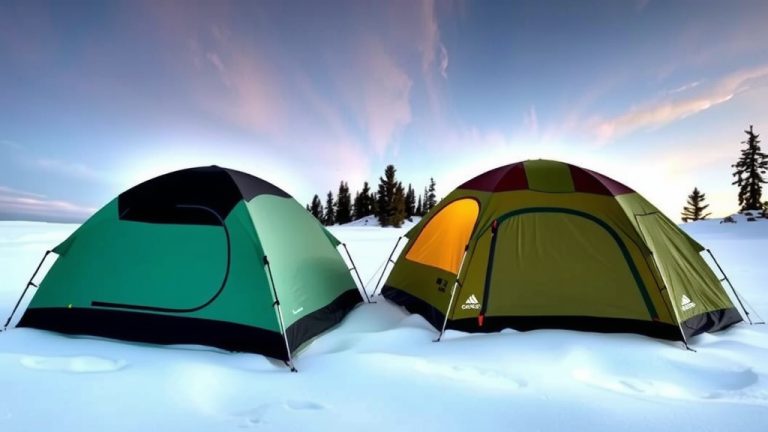
When choosing between a wolf walker tent and a lone rider tent, the main difference comes down to space and portability. Wolf walker tents typically offer more interior room and comfort, making them great for longer trips. Lone rider tents are designed for maximum lightness and a small packed size, perfect for ultralight backpacking adventures where every ounce counts.
We’ve found that the best tent for you depends on your camping style and priorities. If you’re car camping or need extra space for gear, a wolf walker might be your friend. For those hitting the trail with a heavy pack, a lone rider tent can be a true lifesaver. Think about your typical trips to decide which design suits your needs best.
- Wolf walker = More space, better for comfort and gear.
- Lone rider = Lighter, smaller, ideal for long-distance hiking.
- Consider your trip length and packing needs.
- Both offer great protection from the elements.
Let’s get into the nitty-gritty of each tent type to help you make the perfect choice for your next outdoor adventure.
Comparing Tent Styles: Wolf Walker vs. Lone Rider
Deciding between a wolf walker tent and a lone rider tent boils down to your camping priorities. You’re essentially choosing between extra living space and ultralight portability. Both designs aim to keep you safe and dry, but they achieve this with different philosophies.
We’ve found that understanding these core differences helps immensely. Think about your usual adventures. Are you packing everything on your back for days? Or is your vehicle close by, allowing for a more relaxed setup? Your answer will point you towards the right tent.
The Wolf Walker Tent: Your Home Away From Home
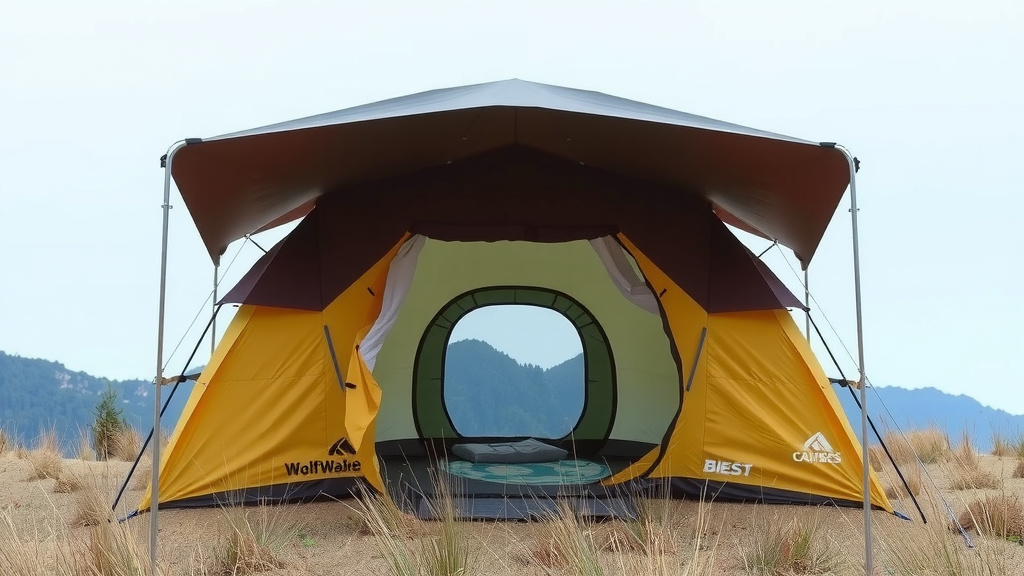
Imagine a wolf walker tent as your cozy campsite basecamp. These tents are designed with comfort and roominess in mind. They often feature taller peak heights and more floor space. This means you can actually sit up inside without bumping your head. It’s also easier to move around and organize your gear.
Space and Comfort Features
Wolf walker tents often include extra vestibule space. This is the covered area outside your main tent door. It’s perfect for storing muddy boots, a wet backpack, or even for cooking in a pinch (with extreme caution and proper ventilation). Some models even offer internal gear lofts or multiple doors.
Who Benefits Most?
If you’re car camping, doing family trips, or going on shorter backpacking excursions where weight isn’t the absolute enemy, a wolf walker is likely a great fit. It provides a more comfortable, less cramped experience. You can spread out and truly relax after a day of exploring.
Potential Drawbacks
The primary trade-off for all that extra space is weight and packed size. Wolf walker tents are generally heavier and bulkier than their lone rider counterparts. This can be a significant concern if you need to carry your shelter for many miles.
The Lone Rider Tent: Built for the Trail
Now, picture the lone rider tent as your lightweight sanctuary on the go. These tents are engineered for backpackers who prioritize minimizing their load. Every gram is considered in their design and materials. The goal is simple: get you protected from the elements with the least amount of weight possible.
Focus on Ultralight Design
Lone rider tents typically use advanced, lightweight materials. Think thinner tent fabrics, smaller poles, and minimalist features. They might have a lower profile to cut down on weight and also offer better wind resistance. Some are single-wall designs to eliminate the need for a separate rainfly.
Trade-offs for Weight Savings
To achieve their low weight, these tents often sacrifice interior volume. You might find yourself in a more crouched or semi-recumbent position inside. Vestibule space is usually minimal, sometimes just enough for a pair of shoes. Double-wall designs might have a single door and one small vestibule.
Ideal Use Cases
These tents are the darlings of thru-hikers and long-distance backpackers. If you’re covering 20+ miles a day, every ounce matters. A lone rider tent helps reduce fatigue and makes the journey more sustainable. They are also great for solo trips where you don’t need much space.
Key Differences at a Glance
Let’s break down the main distinctions in a way that’s easy to digest. This comparison should help you visualize where each tent shines.
| Feature | Wolf Walker Tent | Lone Rider Tent |
|---|---|---|
| Primary Goal | Comfort and Space | Lightweight Portability |
| Interior Room | Generous, stand-up height possible | Minimal, often requires crouching |
| Vestibule Space | Larger, good for gear storage | Small or non-existent |
| Weight | Heavier | Ultralight |
| Packed Size | Bulkier | Compact |
| Best For | Car camping, basecamping, shorter trips | Long-distance backpacking, thru-hiking, minimalist travel |
Considering Your Camping Style
Your personal camping habits are the most significant factor. Are you looking for a weekend getaway where you can bring a comfortable sleeping pad and a camp chair? A wolf walker might be your best bet. You’ll appreciate the extra room to spread out.
Conversely, if your dream trip involves conquering a long trail with a heavy pack, a lone rider is calling your name. You’ve likely already streamlined your gear to shed every possible ounce. This tent fits perfectly into that philosophy. Many hikers find that the simplicity of a lone rider allows them to focus more on the journey itself.
Material and Durability Considerations
While both tent types are built to withstand the elements, the materials often differ. Wolf walker tents might use more robust fabrics for durability, as weight is less of a concern. This can make them a bit tougher for frequent use in varied conditions.
Lone rider tents, on the other hand, rely on cutting-edge, featherlight materials. These can be incredibly strong for their weight, but they might require more careful handling. Think of it like a sports car versus a sturdy SUV. Both get you there, but one is built for performance with specialized care.
Making the Final Choice: A Quick Checklist
To help you solidify your decision, consider these questions:
- How much do you typically carry on your back?
- What is the average length of your camping trips?
- Do you prioritize space or weight savings more?
- Will you be camping solo or with others?
- How important is standing up inside your tent?
- Is ease of setup a major factor for you?
Conclusion
You’ve learned that the choice between a wolf walker and a lone rider tent hinges on your personal adventure style. If you value comfort and space for car camping or shorter trips, the wolf walker offers a more livable setup. For those prioritizing ultralight travel and logging serious miles, the lone rider is the clear winner, minimizing your pack’s burden. Consider your typical trip length and how much gear you carry. Weigh the trade-offs between roominess and weight carefully. To make your final decision, visit your local outdoor retailer and try setting up both styles to see which feels right for your next journey.
Frequently Asked Questions
Can a lone rider tent be used for car camping?
Yes, a lone rider tent can certainly be used for car camping, especially if you’re trying to pack light even when driving to your site. You’ll have ample space compared to backpacking. However, you might find yourself wishing for the extra headroom and vestibule space a wolf walker tent provides for extended stays.
Are wolf walker tents difficult to set up for beginners?
We found that wolf walker tents are generally user-friendly for beginners. Their larger size and more straightforward designs often mean less fuss. You’ll likely appreciate the extra room to maneuver during setup, making it a less stressful introduction to tent camping.
What if I do both backpacking and car camping?
If your camping habits vary, you might consider owning both types of tents or looking for a hybrid model. Some tents offer a balance, providing decent space without being excessively heavy. Otherwise, prioritize based on which type of trip you do most often.
How do these tents handle strong winds?
Lone rider tents, with their lower profiles and aerodynamic designs, often perform better in high winds. Wolf walker tents can also be stable, but their larger surface area may make them more susceptible to wind if not pitched correctly. Always stake down your tent thoroughly, regardless of type.
Is a lone rider tent too small for two people?
Many lone rider tents are designed for solo use or are very snug for two people. While you can technically fit two, you’ll have minimal personal space and likely no room for gear inside. Always check the packed dimensions and interior volume if you plan to share a lone rider tent.