
How Heavy Are Rooftop Tents?
The weight of a rooftop tent can vary widely, but most **hardshell rooftop tents weigh between 80 and 170 pounds**, while **softshell models typically range from 100 to 200 pounds**. This weight is a key factor when considering roof load capacity and vehicle compatibility. Knowing this will help you make the right choice for your adventures.
When choosing a rooftop tent, you’ll find a range of options. Factors like the materials used and the tent’s size will influence the **overall weight distribution**. It’s important to understand how this weight affects your vehicle’s performance and safety on the road. We’ve looked at what matters most.
- Rooftop tent weights range from about 80 to 200 pounds.
- Hardshell tents are often lighter than softshell models.
- Tent size and materials significantly impact weight.
- Always check your vehicle’s roof load capacity.
Let’s walk through the different types of rooftop tents and their typical weights, so you can find the perfect fit for your next trip.
Understanding Rooftop Tent Weight: What to Expect
So, you’re curious about how much a rooftop tent actually weighs. That’s a smart question to ask before you buy! The weight of a rooftop tent is a big deal. It affects your vehicle’s ability to carry it. It also impacts your driving and even your gas mileage.
We’ve done some digging, and most rooftop tents fall within a specific weight range. This information will help you figure out if your vehicle can handle the load. Let’s break down what you can expect.
Hardshell vs. Softshell: The Weight Difference
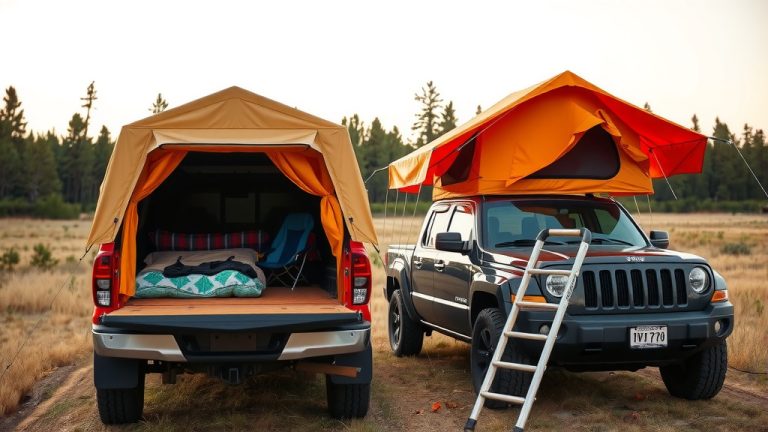
When you’re looking at rooftop tents, you’ll primarily see two types: hardshell and softshell. These designs have different weight characteristics. Generally, hardshell tents tend to be a bit lighter than their softshell counterparts.
Think of a hardshell tent like a sleek, aerodynamic suitcase. Its hard shell is often made of materials like ABS plastic or aluminum. These are strong but can be lighter than the fabric and frame needed for a softshell. Softshell tents, on the other hand, often have more fabric and a more complex internal frame system, which can add to their overall weight.
Typical Weight Ranges for Rooftop Tents
Let’s get down to the numbers. Based on our research, you’ll find:
- Hardshell Rooftop Tents: These typically weigh between 80 and 170 pounds. Some lighter, more compact models might even come in under 80 pounds, while larger, more feature-rich ones can push towards the higher end of that range.
- Softshell Rooftop Tents: These generally range from 100 to 200 pounds. Their increased fabric surface and often larger footprint can contribute to this slightly higher weight. Some massive softshell models designed for families could even exceed 200 pounds.
Factors That Influence Rooftop Tent Weight
The weight isn’t just about the type of tent. Several other factors play a role in how heavy a tent ends up being. Understanding these can help you choose the best option for your needs.
Size Matters: More Space, More Weight
It’s pretty straightforward: a bigger tent will weigh more. If you need sleeping space for two people, the tent will be lighter than one designed to comfortably sleep four. This also applies to the length and width of the tent when it’s deployed.
Think about it like choosing a sleeping bag. A mummy bag designed for solo winter expeditions is often lighter than a rectangular bag made for car camping with a friend. The same principle applies here.
Materials Used in Construction
The materials used to build the tent are a huge factor. We found that:
- Tent Body: Most tents use durable, waterproof fabrics like polyester or canvas. Canvas can be heavier but offers excellent insulation and durability. Lighter polyester blends are common in many models.
- Tent Poles and Frame: Aluminum poles are standard because they are strong and relatively lightweight. Some budget models might use steel, which is heavier but very robust.
- Tent Base: The floor or base of the tent can also vary in weight. Some use lightweight composite materials, while others might have a more substantial construction.
- Hardshell Casing: For hardshell tents, the casing material (ABS plastic, fiberglass, aluminum) significantly impacts the overall weight.
Beyond the Tent: What Else Adds Weight?
Don’t forget that the tent isn’t the only thing sitting on your roof! You’ll also need to account for the weight of your roof rack system, if you have one. Some rack systems are very lightweight, while others, especially heavy-duty expedition racks, can add a considerable amount of weight themselves.
And then there’s the gear you’ll store inside the tent. While you won’t typically drive with your sleeping bags and pillows inside, you do need to consider the weight of everything you’ll bring along. Keep this in mind for when the tent is deployed and you’re setting up camp.
Crucial Step: Checking Your Vehicle’s Roof Load Capacity
This is arguably the most important step in the entire process. Your vehicle has a weight limit for its roof. Exceeding this can be dangerous and damage your car.
You need to find out your vehicle’s dynamic load capacity. This is the maximum weight your roof can safely support while the vehicle is in motion. Static load capacity (when parked) is usually much higher, but you’re mostly concerned with the dynamic limit for driving.
Where to Find Your Vehicle’s Load Capacity
This information is usually found in your vehicle’s owner’s manual. Look for sections on roof racks or towing. If you can’t find it there, you might need to check the manufacturer’s website or contact a dealership. It’s usually listed as a specific number of pounds.
Many experts agree that it’s wise to stay well within this limit. Don’t push your vehicle to its absolute maximum. A good rule of thumb is to aim for a tent and rack system that is at least 10-20% below the stated maximum capacity. This provides a safety buffer.
What is Dynamic vs. Static Load Capacity?
Let’s clarify this.
- Dynamic Load Capacity: This is the weight limit when your vehicle is moving. It’s lower because of the forces of wind, bumps, and turns. Most rooftop tent manufacturers will list a required dynamic load capacity.
- Static Load Capacity: This is the weight limit when your vehicle is parked. It’s significantly higher. While important for when you’re camped, it’s not what determines if you can drive safely with the tent installed.
Always prioritize the dynamic load capacity. Driving with too much weight on your roof can affect handling, braking, and could even cause serious damage to your vehicle’s frame or roof structure.
Calculating Your Total Roof Load
To be safe, you need to add up the weight of several things:
- The weight of the rooftop tent itself.
- The weight of your roof rack system (crossbars, rails, platform).
- Any accessories mounted to your roof rack.
Compare this total to your vehicle’s dynamic load capacity. If the combined weight is too close to, or exceeds, your vehicle’s limit, you may need to consider a lighter tent or a different mounting solution.
Weight Considerations for Vehicle Performance
Adding a rooftop tent isn’t just about capacity; it’s also about how your vehicle will perform on the road and off-road.
Impact on Handling and Braking
A heavier roof load means a higher center of gravity. This can make your vehicle feel less stable, especially when cornering or in windy conditions. You might notice more body roll.
Braking distances can also increase. The extra weight requires more force and time to slow down. It’s a bit like driving with a heavy load in the trunk; your car just doesn’t feel as nimble. Be prepared to drive more conservatively.
Fuel Efficiency: The Trade-Off
Unfortunately, more weight usually means more fuel consumption. Think of it like carrying a heavy backpack on a hike – you’ll feel the extra effort. Your engine has to work harder to move the vehicle, leading to lower miles per gallon (MPG).
We found that the reduction in MPG can vary. It depends on the tent’s weight, its aerodynamic profile, your driving style, and the type of terrain you’re driving on. For long road trips, this could add up to a noticeable difference in your fuel budget.
Off-Road Driving and Suspension
If you plan to take your rooftop tent off the beaten path, the weight distribution becomes even more critical. A heavy tent can put extra strain on your vehicle’s suspension system, especially on rough, uneven terrain. This could lead to premature wear and tear.
Some vehicles might also experience more bouncing or jostling on rough roads. It’s a good idea to ensure your suspension is in good condition before heading out on an off-road adventure with a rooftop tent.
Rooftop Tent Weight Checklist
Before you make a purchase or head out on your next adventure, run through this quick checklist:
- Tent Weight: Know the exact weight of the tent you’re considering.
- Rack Weight: Factor in the weight of your roof rack system.
- Vehicle Capacity: Find your vehicle’s dynamic load capacity.
- Total Load: Calculate the combined weight of tent and rack.
- Performance Impact: Consider how the extra weight affects handling and fuel.
- Safety Margin: Ensure your total load is well below the vehicle’s limit.
By carefully considering the weight of rooftop tents and your vehicle’s capabilities, you can ensure a safe and enjoyable adventure.
Conclusion
You’ve learned that rooftop tent weights typically range from 80 to 200 pounds, depending on whether they’re hardshell or softshell, and their size and materials. Remember, your vehicle’s dynamic load capacity is the key number to check. It’s essential to calculate the combined weight of your tent and rack system. Don’t forget how this added weight can affect your car’s handling, braking, and fuel efficiency. Before you buy, always verify your vehicle’s limits and choose a setup that keeps you safely under it for stress-free adventures.
Frequently Asked Questions
Will a rooftop tent make my car handle differently?
Yes, a rooftop tent will likely affect your car’s handling. The added weight raises your vehicle’s center of gravity, which can lead to more body roll when cornering. You’ll also want to allow for longer braking distances due to the increased mass.
How much does a roof rack system add to the total weight?
The weight of a roof rack system can vary greatly. Lightweight crossbars might add only 10-20 pounds, while a heavy-duty platform rack could add 50 pounds or more. Always check the manufacturer’s specifications for your specific rack.
Is it safe to drive with a rooftop tent if I’m close to my vehicle’s weight limit?
It’s generally not recommended to drive right at your vehicle’s maximum dynamic load capacity. Experts advise staying at least 10-20% below the limit to provide a safety buffer against unexpected forces like wind gusts or rough roads.
Can I put a rooftop tent on any car?
Not necessarily. While many cars can support a rooftop tent, you must confirm your vehicle’s dynamic roof load capacity. Smaller cars or those with less robust roof structures may not be suitable for carrying the weight of most rooftop tents.
Does the weight of the tent affect fuel economy significantly?
Yes, any added weight on your vehicle will impact fuel economy. A heavier rooftop tent, especially one with a less aerodynamic profile, will likely decrease your miles per gallon. The effect varies based on tent weight, aerodynamics, and your driving habits.


![7 Best Backpacking Tents [2026]](https://leonardhomeoutdoor.com/wp-content/uploads/2026/06/7-best-backpacking-tents-2026-featured-768x432.jpg)
![7 Person Tent 2025 [2026]](https://leonardhomeoutdoor.com/wp-content/uploads/2026/08/7-person-tent-2025-2026-featured-768x432.jpg)