
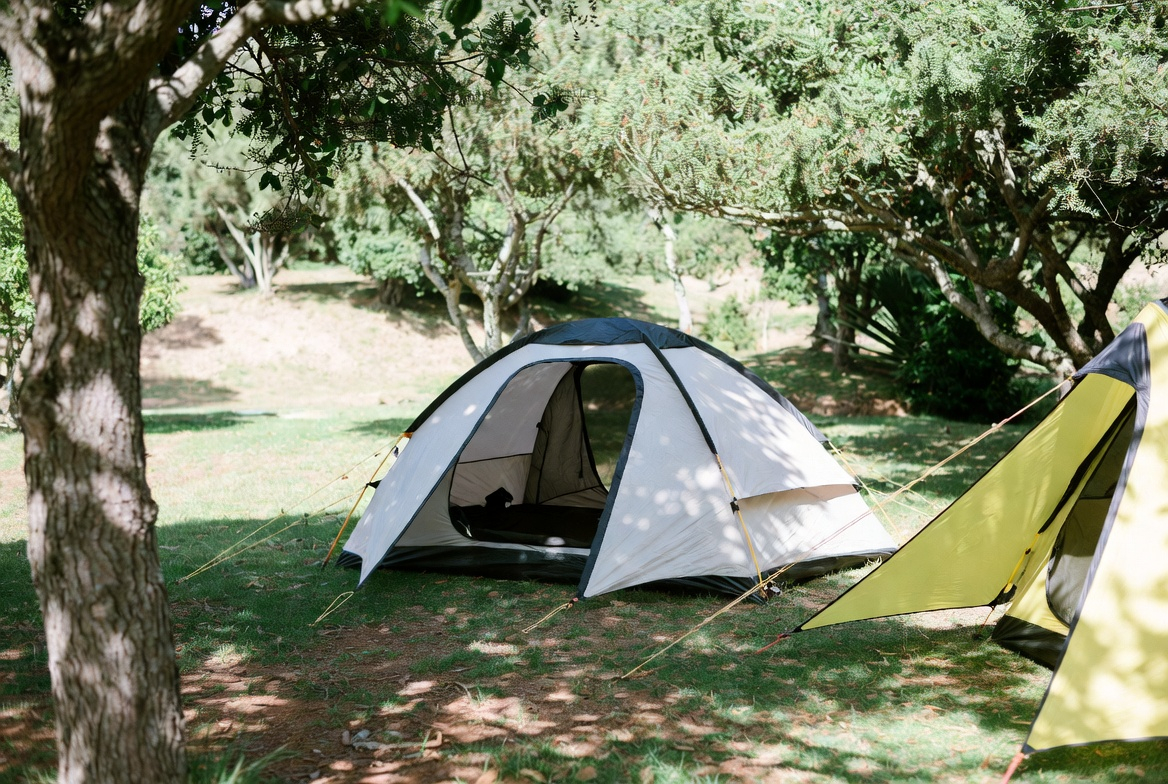
Primitive Camping vs Tent Camping: Going Wild vs Staying Comfortable
Have you ever found yourself lying awake at night, dreaming about escaping to the great outdoors? The appeal of camping is undeniable, but here’s where things get interesting: not all camping experiences are created equal. When you start planning your next outdoor adventure, you’ll quickly discover that you’re facing a fundamental choice between two very different camping styles. Should you embrace the rugged minimalism of primitive camping, or opt for the relative comfort and convenience of tent camping? This decision can make or break your entire outdoor experience, so let’s dive deep into what sets these two approaches apart.
Understanding the Basic Differences
Before we can truly compare primitive camping and tent camping, we need to establish what each one actually means. Think of these two styles as opposite ends of a camping spectrum, each with its own philosophy, challenges, and rewards.
What Exactly Is Primitive Camping?
Primitive camping is the art of roughing it in its truest form. When you engage in primitive camping, you’re essentially returning to basics—no electricity, no running water, no established facilities, and often, no designated campgrounds at all. It’s like stepping back in time and experiencing what outdoor living was like before modern conveniences infiltrated our recreational activities. You might be camping on public lands, remote backcountry areas, or wilderness regions where human development is minimal to nonexistent. The experience demands that you bring everything you need and leave no trace of your presence behind.
What Is Tent Camping?
Tent camping, by contrast, is what most people imagine when they think about the typical camping experience. You set up your tent at an established campground, often with access to amenities like picnic tables, fire rings, restrooms, and sometimes even showers and electrical hookups. It’s the middle ground between full-blown glamping and truly primitive camping. You’re still sleeping under the stars in a tent, but you’re doing so within a structured, managed environment that offers certain comforts and conveniences. Think of it as camping with a safety net.
The Appeal of Primitive Camping
Why would anyone choose to camp without amenities when they could have comfort? Well, there’s something profoundly transformative about stripping away the unnecessary and connecting with nature on its own terms.
Authentic Connection With Nature
Primitive camping offers something that no tent camping ground can match: an unmediated relationship with the natural world. When you’re out there with nothing but your skills, your gear, and the wilderness around you, every sound becomes meaningful. You hear the wind differently. You notice the wildlife. You become acutely aware of your place in the ecosystem rather than viewing yourself as a visitor passing through. This isn’t just camping; it’s immersion.
Complete Solitude and Escape
Have you ever arrived at a campground only to find it packed with families, RVs, and the sounds of civilization? Primitive camping eliminates this problem entirely. You’re not competing for space with hundreds of other campers. You’re not listening to someone’s generator running all night. The silence you experience in true wilderness is increasingly rare in our modern world, and many people crave it desperately.
Self-Reliance and Personal Growth
When you’re primitive camping, you can’t simply run to the camp store if you forgot something important. You become responsible for your own survival and comfort, which builds genuine confidence and self-reliance. You learn to read weather patterns, manage your water supply, filter and purify water, navigate without GPS, and handle unexpected situations. These skills translate to everyday life in surprising ways.
Lower Cost
Here’s a practical advantage that shouldn’t be overlooked: primitive camping is typically free or extremely cheap. You’re not paying campground fees, parking fees, or facility charges. Your only costs are the initial investment in quality gear and your transportation to reach the location. For budget-conscious adventurers, this is a game-changer.
Key Benefits of Primitive Camping:
- Complete freedom to camp where you want
- Genuine wilderness experience without crowds
- Minimal environmental impact when done correctly
- Opportunity to develop survival skills
- Significantly reduced costs
- True disconnection from technology and modern life
The Advantages of Tent Camping
Tent camping isn’t popular because it’s trendy. It’s popular because it successfully balances adventure with accessibility, allowing people to enjoy the outdoors without requiring extensive wilderness expertise.
Accessibility for Everyone
Not everyone is equipped—physically, mentally, or skill-wise—to handle primitive camping. Tent camping opens up outdoor experiences to families with young children, elderly individuals, people with mobility concerns, and those who are new to camping. You can introduce someone to the joys of outdoor sleeping without overwhelming them with survival challenges. It’s the perfect training ground for future wilderness enthusiasts.
Built-in Safety Features
Established campgrounds exist for a reason: they’re vetted for safety. Rangers patrol the areas, emergency services are accessible, and hazards are typically identified and managed. If something goes wrong—an injury, a medical emergency, severe weather—help is nearby. Primitive camping doesn’t offer these safeguards, which matters especially when traveling with vulnerable populations.
Essential Amenities and Convenience
Let’s be honest: there’s real value in having access to clean water, functioning toilets, and waste disposal systems. These amenities aren’t luxuries; they’re fundamental to basic hygiene and health. Many tent campgrounds offer even more, including hot showers, laundry facilities, and camp stores. You get to enjoy nature without sacrificing personal cleanliness or basic comfort.
Community and Social Experience
Campgrounds attract people from all walks of life, and there’s genuine community to be found there. Families bond over campfire cooking, neighbors share stories and recommendations, kids make friends with other campers. For many people, the social aspect is a major part of what makes camping enjoyable. It’s a rare opportunity to slow down and connect with others in a technology-free environment.
Structured Activities and Entertainment
Many tent camping facilities offer organized activities, ranger programs, nature talks, and recreational facilities. If you enjoy hiking, there are typically marked trails. If you want fishing, designated areas are available. These structured opportunities appeal to people who want guidance and don’t necessarily want to discover everything on their own.
Key Advantages of Tent Camping:
- Accessible to people of all fitness levels and ages
- Built-in safety and emergency services
- Essential facilities and sanitation amenities
- Community and social opportunities
- Predictable, managed environments
- Easier for families and group camping
- Less planning and preparation required
Skill Requirements: What You Actually Need to Know
The skill gap between primitive camping and tent camping is significant, and understanding what you need to know matters tremendously.
Primitive Camping Skill Set
Successful primitive camping requires genuine knowledge and experience. You need to understand Leave No Trace principles deeply. You should know how to filter and purify water from natural sources. Navigation skills using map and compass (or GPS) are essential. You need to understand weather patterns and how to prepare for sudden changes. Food storage techniques that prevent wildlife encounters are critical. First aid knowledge becomes truly important when professional help isn’t minutes away. And honestly? You should have some experience before attempting extended primitive camping trips in remote areas.
Tent Camping Skill Set
Tent camping requires far fewer specialized skills. You need to know how to set up your tent properly—and modern tents are remarkably intuitive. Basic fire safety is important if you’re using fire rings. Knowing how to cook on a camping stove helps but isn’t essential if your campground has facilities. First aid knowledge is always valuable but less critical when help is nearby. Essentially, tent camping can be learned on the job through experimentation and observation.
Equipment and Gear Considerations
Your gear needs differ substantially depending on your chosen camping style.
What Primitive Campers Need
Primitive camping demands high-quality, reliable equipment because you can’t compromise on functionality. You’ll need a truly shelter-worthy tent that can handle various weather conditions. Water filtration or purification systems are non-negotiable. A quality backpack designed for the weight you’ll carry is essential. Navigation tools, appropriate clothing for temperature variations, and a well-stocked first aid kit aren’t optional. You’ll want lightweight, durable cookware, a reliable stove, and proper food storage solutions. Every piece of equipment you bring must earn its place because weight matters when you’re carrying everything on your back.
What Tent Campers Need
Tent camping is more forgiving regarding gear quality. You can use a wider variety of equipment because you’re not carrying everything and you have backup options. A decent tent that keeps you dry is sufficient—it doesn’t need to be a high-altitude mountaineering tent. Sleeping bag comfort matters more than ultralight weight since you’re not concerned with every ounce. You have more flexibility with cooking equipment and food storage because facilities exist. Your gear can be heavier, bulkier, and sometimes lower quality because you’re transporting it by car, not carrying it on your body.
Environmental Impact and Ethics
How we camp affects the places we camp, and both styles carry different environmental considerations.
Primitive Camping and Environmental Responsibility
When done right, primitive camping has minimal environmental impact because you’re concentrated on remote areas and you practice Leave No Trace principles religiously. You’re not contributing to worn trails or damaged vegetation in high-use areas. However, when done wrong—by careless campers who don’t understand environmental ethics—primitive camping can damage fragile ecosystems. Water sources can be contaminated. Wildlife can be disrupted. Vegetation can be destroyed. The responsibility falls entirely on the individual camper to minimize impact.
Tent Camping and Environmental Impact
Tent campgrounds manage environmental impact through infrastructure and rules. Concentrated use in designated areas means that wilderness areas remain relatively untouched. Facilities like toilets and water systems prevent contamination of natural water sources. However, the infrastructure itself requires resources and ongoing maintenance. Campground development impacts habitat. Heavy foot traffic creates erosion in popular areas. The cumulative effect of thousands of campers using the same sites year after year shows on the landscape.
Cost Breakdown: Budgeting Your Adventure
Primitive Camping Expenses
Your initial investment in quality gear can be substantial—a reliable tent, backpack, sleeping bag, and cooking equipment might cost $1,000 to $3,000 for quality items. However, once you have the gear, ongoing costs are minimal. You might spend money on occasional replacement items, transportation to trailheads, and permits if required. For established campers with existing gear, primitive camping trips might cost only fuel and permits—sometimes completely free.
Tent Camping Expenses
Tent camping has lower startup costs for gear because you can use less specialized equipment. Basic tent, sleeping bag, and supplies might cost $300 to $800 to start. However, you’ll have ongoing campground fees, typically $20 to $50 per night, sometimes more at popular locations. Food costs might be slightly higher since you can’t rely on campground stores for emergencies. A weekend tent camping trip might cost $150 to $300 in fees alone.
Comfort Level: Sleep Quality and Daily Living
Sleep Quality While Primitive Camping
Sleeping on the ground, even with a sleeping pad, takes adjustment. You’re exposed to temperature fluctuations, uneven terrain, and the sounds of the forest. Many people sleep less deeply in primitive settings, especially initially. However, after a few nights, your body often adapts, and some people report sleeping deeply once they acclimate. The trade-off is worth it for many, but it’s real.
Sleep Quality at Tent Campgrounds
Tent campgrounds often have more level ground for setting up camp. You might have neighbors nearby, which provides security and community but potentially less quiet. Campgrounds attract various wildlife and insects that primitive areas also have, so there’s no guarantee of perfect sleep. However, the psychological comfort of being in a managed facility often improves sleep quality for many people.
Family Considerations: Camping With Kids
Introducing children to camping is wonderful, but the style you choose matters greatly.
Primitive Camping With Children
Young children can absolutely primitive camp, but it requires careful planning and realistic expectations. Very young children need more comfort items and might struggle with the lack of amenities. Safety becomes a bigger concern when you’re responsible for children in a remote area without immediate help. Boredom potential is higher without structured activities. However, children gain incredible independence, resilience, and connection to nature from primitive camping experiences. Many families find that once children are school-age and old enough to understand safety rules, primitive camping becomes feasible and incredibly rewarding.
Tent Camping With Children
Campgrounds are specifically designed for families. Bathrooms are accessible for potty-training children. Other kids are around for friendship and play. Organized activities keep children entertained. Food is easy to manage since you can store it properly and cook safely. Emergencies feel less scary because help is nearby. For families with very young children or those camping for the first time, tent campgrounds remove many stressors and allow everyone to focus on fun.
Making Your Choice: Factors to Consider
Assess Your Experience Level
Honest self-assessment matters here. Are you a camping veteran or a complete beginner? Have you successfully navigated backcountry before, or is reading a map something you’d need to learn? Your experience level should guide your choice, at least initially.
Consider Your Physical Capacity
Primitive camping, especially backpacking into remote areas, is physically demanding. You’re carrying your house on your back and navigating potentially challenging terrain. If you have physical limitations or health concerns, tent camping might be more appropriate. However, don’t underestimate your capacity without trying—many people are stronger than they believe.
Evaluate Your Goals
What do you actually want from your camping experience? Are you seeking total solitude and wilderness immersion? Then primitive camping is your answer. Do you want to introduce family members to camping or enjoy community with other outdoors enthusiasts? Tent camping delivers that. Understanding your true goals prevents mismatched expectations.
Factor in Your Timeline and Logistics
How much time do you have? How far are you willing to travel? Do you have reliable transportation to remote areas? A weekend camper with limited time might prefer the convenience of established campgrounds. Someone with flexible timing might embrace the adventure of primitive camping.
Hybrid Approaches: Finding Middle Ground
Here’s something that deserves consideration: you don’t have to choose one style exclusively. Many experienced campers alternate between primitive and tent camping depending on circumstances. You might tent camp with family on weekends but primitive camp when you want solo adventures. You might start with established campgrounds and gradually transition to primitive camping as your skills develop. The camping community is diverse enough to embrace multiple approaches.
Conclusion
Primitive camping and tent camping represent two legitimate and valuable approaches to outdoor recreation, each with distinct advantages and challenges. Primitive camping calls to those seeking authentic wilderness experiences, self-reliance, solitude, and freedom from established infrastructure. It demands skills, experience, and genuine comfort with uncertainty, but it rewards practitioners with transformative natural connection and personal growth. Tent camping welcomes a broader audience, providing accessible outdoor experiences with
![7 Best Backpacking Tent For The Money [2026]](https://leonardhomeoutdoor.com/wp-content/uploads/2026/06/7-best-backpacking-tent-for-the-money-2026-featured-768x432.jpg)
![7 Best Tent For Large Family [2026]](https://leonardhomeoutdoor.com/wp-content/uploads/2026/09/7-best-tent-for-large-family-2026-featured-768x432.jpg)