
Truck Bed Tent vs Ground Tent: Which Camping Option Wins
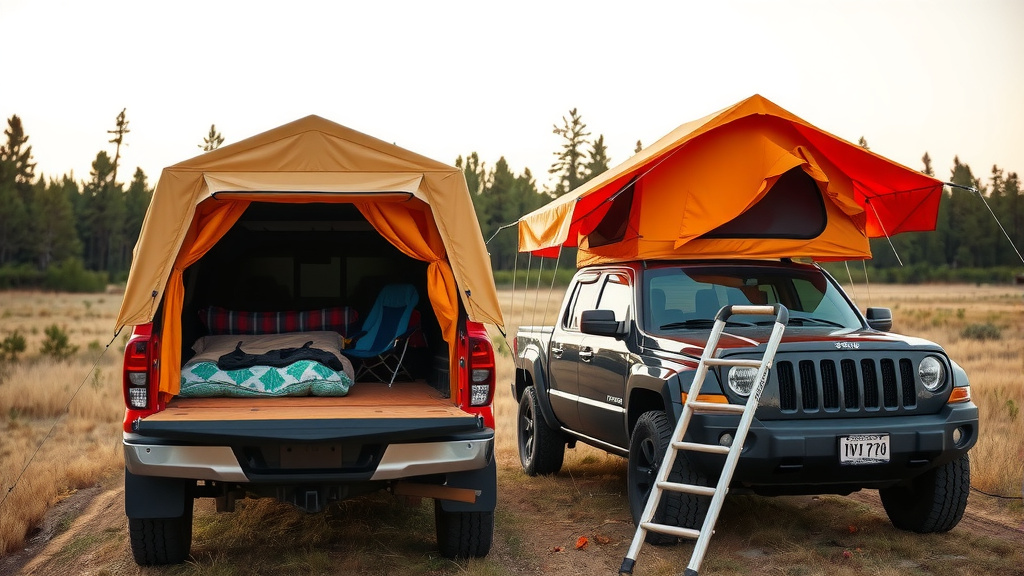
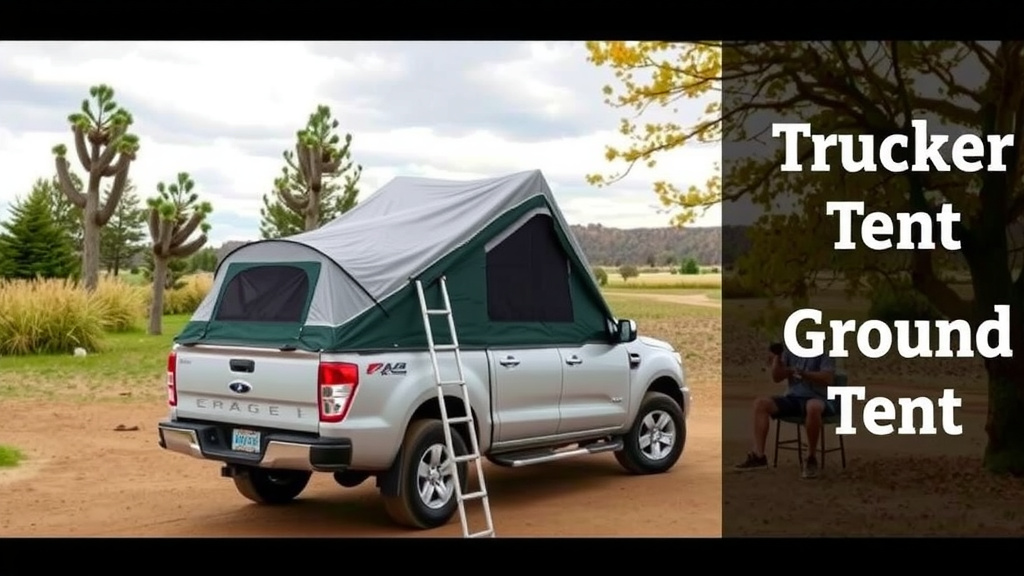
Choosing between a truck bed tent and a ground tent really depends on your camping style and priorities. Truck bed tents offer unmatched convenience and a higher sleeping elevation, while ground tents provide more space and versatility for different terrains. We found that for quick setup and a comfortable night’s sleep right by your vehicle, a truck bed tent often wins.
Both tent types are designed for outdoor adventures, but they serve different needs. Your truck bed tent keeps you off the damp ground and away from crawling critters. A traditional ground tent, on the other hand, can be set up almost anywhere, giving you more freedom to find that perfect, secluded campsite. Many campers weigh the ease of use against the flexibility.
- Truck bed tents are quick to set up and keep you elevated.
- Ground tents offer more space and can be pitched anywhere.
- Consider your primary camping location and setup speed.
- Think about how much gear you typically bring.
- Your budget can also play a role in the decision.
Let’s dive into the specifics of each to help you decide which type of tent is the perfect fit for your next adventure.
Your Next Camping Setup: Truck Bed vs. Traditional Ground Tent
When you’re planning your next outdoor escape, one of the first decisions you’ll make is how you’ll sleep. Two popular options are the truck bed tent and the traditional ground tent. We’ve looked at how they stack up for different camping scenarios. Which one will give you the best night’s sleep under the stars?
The Convenience of a Truck Bed Tent
Imagine pulling up to your campsite, flipping open your truck bed, and having your tent ready. That’s the magic of a truck bed tent. It attaches directly to your truck’s bed, turning it into your sleeping platform. This design means you’re always at a higher elevation than the ground. This can keep you away from moisture and unwelcome critters.
We found that for many campers, the setup speed is a major draw. Most truck bed tents can be set up in just a few minutes. You don’t need to spend precious daylight hours wrestling with poles and stakes. Plus, your gear can often be stored neatly underneath the tent in the truck bed. This keeps everything organized and protected.
Key Advantages of Truck Bed Tents
- Quick setup and takedown: Often ready in 5-10 minutes.
- Elevated sleeping: Stay dry and away from bugs.
- Integrated storage: Use your truck bed for gear.
- Comfortable platform: Sleep on your truck’s mattress.
The Versatility of a Ground Tent
The ground tent is a camping classic for a reason. It offers unparalleled flexibility. You can pitch it almost anywhere you can find a flat spot. This means you can find that perfect, secluded campsite deep in the woods or set up near a scenic overlook.
Ground tents come in all shapes and sizes. Whether you need a small, lightweight tent for solo backpacking or a spacious dome for a family, there’s an option for you. Many research studies show that a good ground tent can withstand a wide range of weather conditions, from light rain to stronger winds, depending on its construction.
Where Ground Tents Shine
- Location freedom: Pitch camp anywhere.
- Variety of sizes: From solo to group camping.
- Adaptable to terrain: Works on any relatively flat ground.
- Durable construction: Many are built for rugged conditions.
Comparing Setup and Space
Let’s talk about getting your campsite ready. For a truck bed tent, the process is usually straightforward. You simply drive your truck to your chosen spot, deploy the tent over the bed, and secure it. It’s a highly efficient process. The space inside is dictated by your truck bed’s dimensions, typically offering enough room for sleeping and a little extra. We found that for short trips or when you want to minimize setup time, this is hard to beat.
A ground tent requires a bit more effort. You’ll need to clear your chosen spot, lay out the footprint, pitch the poles, and stake down the tent. This can take anywhere from 15 minutes to an hour, depending on the tent and your experience. The payoff is the potential for more interior space. Larger ground tents can comfortably accommodate sleeping areas, gear storage, and even a small sitting area, making them ideal for longer stays or when you have a lot of equipment.
Weather Protection and Comfort Factors
When it comes to staying dry and comfortable, both tents have their merits. A truck bed tent naturally keeps you off the damp earth. Many are designed with good ventilation and waterproof rainflys. However, if your truck bed is not perfectly level, you might feel a slight slope. We’ve seen reports suggesting that proper setup and chocks can mitigate this.
Ground tents have evolved significantly in their weather resistance. High-quality tents offer excellent waterproofing and strong pole structures to handle wind. Some even have vestibules – covered areas outside the main tent door – which are perfect for storing muddy boots or wet gear. Many camping guides suggest that a well-pitched ground tent can provide superior protection in harsh weather compared to many truck bed tents.
Cost and Durability Considerations
The cost of tents can vary widely. Basic ground tents can be very affordable, making them accessible for budget-conscious campers. High-end, expedition-grade ground tents can cost upwards of $500 or more. Truck bed tents typically fall in the mid-to-high price range, often costing between $300 and $700.
When considering durability, think about how you’ll use the tent. A well-maintained ground tent can last for many years. The fabric, poles, and zippers are often replaceable. Truck bed tents are also built to last, but their integration with your vehicle means any damage to the tent or your truck bed could be more problematic. We found that for regular use in varying conditions, investing in a reputable brand for either type is advisable.
Choosing the Right Tent for You: A Quick Checklist
To help you make the best choice, ask yourself these questions:
- How quickly do you want to set up camp?
- Do you prefer sleeping off the ground?
- How much space do you need for sleeping and gear?
- Where do you usually camp (e.g., established campgrounds, backcountry)?
- What’s your budget for a new tent?
- Will you be camping in potentially rough weather?
Summary Comparison Table
Here’s a quick overview to help you visualize the differences:
| Feature | Truck Bed Tent | Ground Tent |
|---|---|---|
| Setup Speed | Very Fast (5-10 minutes) | Moderate (15-60 minutes) |
| Elevation | Higher (on truck bed) | Ground Level |
| Space/Versatility | Limited by truck bed; less versatile location-wise | More interior space; can be pitched anywhere |
| Weather Protection | Good, but can be affected by vehicle leveling | Excellent, with many designs for harsh conditions |
| Cost | Mid to High ($300-$700+) | Low to High ($50-$600+) |
Conclusion
So, truck bed tent or ground tent? Your choice hinges on your camping priorities. If speed, convenience, and sleeping elevated are key for you, a truck bed tent is a fantastic option. For ultimate freedom in location, more living space, and adaptability to varied terrains, a classic ground tent remains hard to beat. We’ve seen that both offer great ways to connect with nature. Take a moment to picture your ideal campsite and how you like to set up. Based on that, make your selection and get ready for your next adventure!
Frequently Asked Questions
Can I use a truck bed tent if I don’t have a truck?
No, a truck bed tent is specifically designed to attach to the bed of a pickup truck. If you don’t own a truck, a ground tent is likely a better choice for your camping needs.
How much weather can a truck bed tent handle?
Most truck bed tents are designed to handle light to moderate rain and wind. Always check the specific model’s specifications and consider bringing extra tarps for more severe weather conditions.
Are truck bed tents difficult to store?
Truck bed tents typically fold down into a carrying bag, much like a ground tent. They are designed to be compact for storage in your garage or vehicle.
What if my truck bed is not level?
A slightly uneven truck bed can make sleeping uncomfortable. Using leveling blocks or wheel chocks under your tires can help achieve a flatter sleeping surface before setting up your truck bed tent.
Can a ground tent be set up in tight spaces?
While ground tents offer location flexibility, some larger models still require a fair amount of clear, flat space to set up properly. Smaller backpacking tents are more forgiving in tighter spots.
![7 Man Tent For Hiking [2026]](https://leonardhomeoutdoor.com/wp-content/uploads/2026/08/7-man-tent-for-hiking-2026-featured-768x432.jpg)

![7 Best Affordable Lightweight Tent [2026]](https://leonardhomeoutdoor.com/wp-content/uploads/2026/06/7-best-affordable-lightweight-tent-2026-featured-768x432.jpg)