How Heavy Are Backpacking Tents?
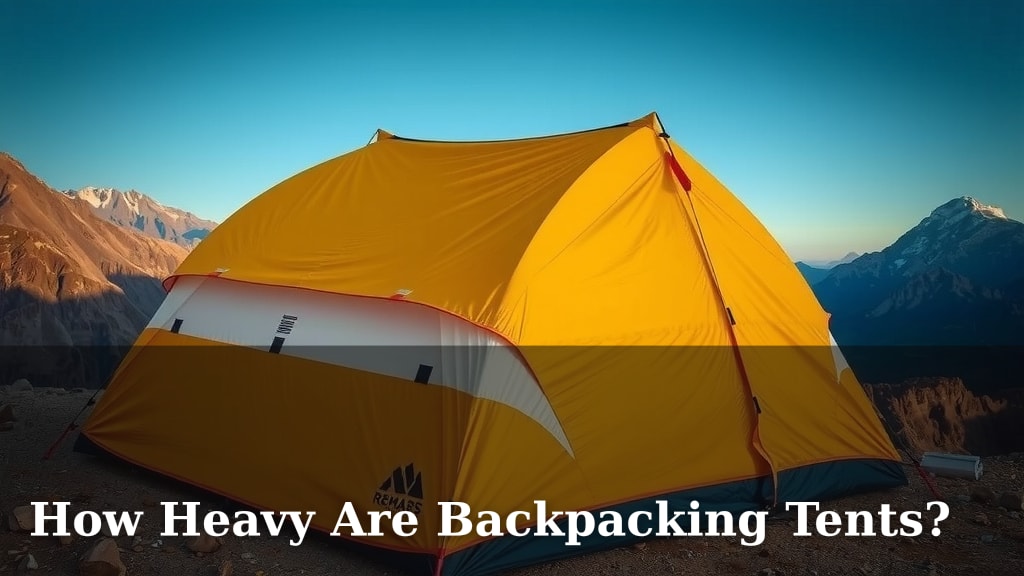
The weight of backpacking tents can vary quite a bit, but most ultralight backpacking tents for one person typically range from 2 to 4 pounds. More spacious two-person tents will generally fall between 3 to 6 pounds, though some minimalist designs can be lighter. It’s all about finding that sweet spot between comfort and carrying capacity for your adventures.
When you’re planning a trek, your tent’s weight is a major factor. Every ounce adds up in your pack. We found that different tent designs, like freestanding versus non-freestanding, also play a role in their overall heft. Understanding these differences helps you choose the best shelter for your specific needs.
- Backpacking tent weights depend on size and design.
- One-person tents often weigh 2-4 pounds.
- Two-person tents are typically 3-6 pounds.
- Lighter tents mean less strain on your back.
- Consider your trip length and trail type when choosing.
Below, we break down everything you need to know about backpacking tent weights, so you can pack smart and hike happy.
Understanding Your Backpacking Tent’s Weight: What’s a Good Number?
When you’re hitting the trail, every ounce in your pack can feel like a pound. So, what’s a typical weight for a backpacking tent? We found that most ultralight, one-person tents usually land between 2 to 4 pounds. For a bit more room, a two-person tent often ranges from 3 to 6 pounds. But remember, these are just general guidelines!
Factors That Determine Tent Weight
Several things influence how much your tent weighs. It’s not just about the size. The materials used and the tent’s design play a big role. We looked into what makes some tents heavier than others.
Tent Size and Capacity
This is probably the most obvious factor. A bigger tent needs more fabric and poles. This naturally adds to the weight. A solo shelter is designed for one person and will always be lighter than a tent built for two or more.
Materials Matter: Fabric and Poles
The kind of materials used is a huge contributor to weight. High-tech fabrics like ripstop nylon or polyester are common. Thicker, more durable fabrics tend to be heavier. Similarly, the poles can be made from aluminum or carbon fiber. Carbon fiber poles are lighter but often more expensive.
Fabric Denier
Ever seen numbers like 15D or 40D on tent specs? This is the “denier” of the fabric. A lower denier means a thinner, lighter thread. So, a tent with 15D fabric will be lighter than one with 40D fabric, assuming all else is equal.
Pole Material Comparison
Aluminum poles are a popular choice. They offer a good balance of strength and weight. Carbon fiber poles are significantly lighter, which is great for serious ounce-counters. However, they can be more brittle and costlier. Some very basic tents might even use fiberglass poles, which are generally heavier than aluminum.
Tent Design: Freestanding vs. Non-Freestanding
The way a tent is designed also affects its weight. You’ll often hear about freestanding and non-freestanding tents.
Freestanding Tents
Freestanding tents don’t need stakes to stand up. You can pitch them easily on almost any surface. They have an internal pole structure that holds their shape. This convenience often means they are slightly heavier due to the extra pole sections needed for support.
Non-Freestanding Tents
Non-freestanding tents rely on stakes and guy lines to stay upright. They typically use fewer poles, or sometimes just one central pole. This design allows for a lighter overall weight. You’ll need to find good spots to stake them out, though. This might be tricky on very rocky terrain.
Single-Wall vs. Double-Wall Tents
Another design difference is between single-wall and double-wall tents. Double-wall tents have an inner mesh tent and a separate rainfly. This design offers good ventilation and helps manage condensation. However, it means more fabric and poles, leading to a higher weight.
Single-wall tents have just one layer of fabric. This makes them lighter and simpler. They are often favored by ultralight backpackers. The main drawback can be managing condensation. Some people find them a bit more prone to getting wet inside if you touch the walls.
What’s Considered “Ultralight”?
The term “ultralight” can mean different things to different people. Generally, for backpacking, we consider a tent ultralight if it weighs under 3 pounds for a one or two-person model. Some even aim for under 2 pounds!
Achieving this ultralight status often means making compromises. You might get a tent with less interior space or a more minimalist design. The fabrics will be very thin, and the poles might be less robust than those on a heavier tent. It’s all about finding the right balance for your trips.
Typical Tent Weights by Category
Let’s break down common weights you might see. Remember, these are estimates, and specific models can vary. We found these ranges to be pretty consistent across many brands.
| Tent Type | Typical Weight Range (for 1-2 people) | Key Features |
|---|---|---|
| Ultralight Solo Tent | 2 – 3.5 lbs | Minimalist, thin fabrics, often non-freestanding. |
| Standard Solo Tent | 3 – 4.5 lbs | Good balance of weight, space, and durability. |
| Ultralight Two-Person Tent | 3 – 4.5 lbs | Compact, lighter materials, often sacrifices some space. |
| Standard Two-Person Tent | 4 – 6 lbs | More room, comfortable for two adults and gear. |
| Family/Car Camping Tent | 8+ lbs | Large, spacious, not designed for backpacking. |
What About Just the Tent Body?
Sometimes you’ll see weights listed for just the tent body, or just the rainfly. It’s helpful to look for the “packed weight” or “total weight.” This usually includes the tent body, rainfly, poles, and stuff sack. Knowing the packed weight gives you the most realistic idea of what you’ll be carrying.
How to Choose the Right Tent Weight for You
So, how heavy should *your* tent be? It really depends on your backpacking style and trip plans. Think about these questions:
- How far will you be hiking each day? Long distances mean you’ll feel every extra pound.
- What kind of terrain will you be on? Steep climbs are tougher with a heavy pack.
- How much comfort do you need? More space and features usually mean more weight.
- Who are you sharing the tent with? You can split the weight if you’re backpacking with a partner.
The Ultralight Enthusiast’s Approach
If you’re dedicated to shedding every possible ounce, you’ll look for tents under 3 pounds. You’ll be comfortable with minimalist designs and perhaps a bit less headroom. Many experts suggest this approach for multi-day trips where weight is a constant concern (Backpacking Light Magazine). Your pack will feel noticeably lighter.
The Balanced Approach
For many backpackers, a tent weighing between 3 and 5 pounds offers a good compromise. You get decent space and durability without feeling overburdened. This is often a great starting point for casual backpackers or those on shorter trips.
The Comfort-Focused Hiker
If you prioritize comfort and space over absolute minimal weight, you might opt for a tent in the 5-pound range or even a bit more. This is especially true for two-person tents where you want room to move or store gear inside. Just be prepared for a heavier load on your shoulders!
Quick Checklist: Packing Smart with Your Tent’s Weight in Mind
Ready to make a smart choice? Keep these points in mind:
- Check the packed weight, not just the minimum weight.
- Consider if you can split tent weight with a partner.
- Prioritize lighter tents for longer, more strenuous trips.
- Don’t sacrifice essential durability or weather protection for a few ounces.
- Factor in the weight of stakes and poles – they are part of the total.
- Read reviews to see how tents perform in real-world conditions.
Conclusion
You’ve learned that backpacking tent weights can vary significantly, generally ranging from 2-6 pounds for solo to two-person models. We’ve seen how factors like size, material denier, pole material, and design (freestanding vs. non-freestanding, single vs. double-wall) all impact the total heft you’ll be carrying. Ultralight tents prioritize minimal weight, often under 3 pounds, while standard tents offer a balance of weight, space, and durability.
Ultimately, the best tent weight for you hinges on your trip’s demands and your personal comfort preferences. Your next step is to evaluate your hiking habits and choose a tent that supports your adventures without weighing you down unnecessarily.
Frequently Asked Questions
What is the difference between minimum weight and packed weight for a tent?
Minimum weight usually refers to the tent without everything included, like poles or stakes. Packed weight is the total weight of everything in the stuff sack as you’d carry it on the trail. You should always focus on the packed weight for the most realistic understanding of what you’ll be carrying.
Can I make my current tent lighter for backpacking?
You can sometimes reduce your tent’s weight by using lighter stakes or a minimalist footprint, if applicable. However, significant weight reduction often requires purchasing a tent specifically designed with ultralight materials and construction.
Is a 4-pound tent too heavy for a solo backpacking trip?
A 4-pound tent for a solo trip is on the heavier side, especially for longer or more strenuous hikes. While manageable for some, ultralight backpackers often aim for tents under 3 pounds to minimize their load. It depends on your priorities and the demands of your specific trip.
How much do tent stakes and poles add to the overall weight?
Tent stakes and poles can add anywhere from 0.5 to 1.5 pounds to your tent’s total weight, depending on the materials and design. Ultralight tents often come with lighter stakes and thinner poles to save on ounces.
Are more expensive tents always lighter?
Not necessarily, but lighter tents often use more advanced, and therefore more expensive, materials like high-end ripstop nylon or carbon fiber poles. You’re paying for the technology and engineering that goes into reducing weight while maintaining durability and weather protection.
![7 Best Blackout Tents For Camping [2026]](https://leonardhomeoutdoor.com/wp-content/uploads/2026/08/7-best-blackout-tents-for-camping-2026-featured-768x432.jpg)