
Kodiak Flex Bow Tent vs Canvas Cabin: Which is Best
When choosing between a Kodiak cabin tent and a Flex Bow tent, the Kodiak often wins for rugged durability, while the Flex Bow excels in quick setup and portability. If your priority is a tent that can withstand serious weather and last for years, a Kodiak is a fantastic choice. If you need to set up camp in a hurry or move frequently, a Flex Bow might be a better fit for your adventures.
Both tent styles offer ample headroom and a spacious feel, making them popular for family camping and longer trips. They provide a comfortable living space that feels more like a temporary home than a traditional tent. We’ve found that understanding their core differences helps campers make the best decision for their specific needs and camping style, ensuring a more enjoyable outdoor experience.
- Kodiak tents are known for superior durability and weather resistance.
- Flex Bow tents are praised for their quick and easy setup.
- Both offer excellent headroom and a spacious interior.
- Your choice depends on whether longevity or speed matters more to you.
Let’s take a closer look at what sets these two popular tent designs apart so you can pick the perfect shelter for your next outdoor getaway.
Exploring Two Popular Tent Styles: Kodiak Canvas vs. Flex Bow
When you’re gearing up for an outdoor adventure, choosing the right tent is a big deal. It’s your home away from home in the wild. Two names that often come up are Kodiak Canvas tents and Flex Bow tents. They both offer a step up from basic dome tents, giving you more space and comfort. But they do it in different ways. We’ve looked into what makes each style stand out.
Think of it like picking between a sturdy, old-school farmhouse and a modern, quick-to-assemble tiny home. Both offer shelter, but their strengths lie in different areas. We’ve found that understanding these core differences will help you pick the perfect shelter for your next camping trip.
Kodiak Canvas Tents: Built for the Long Haul
Kodiak Canvas tents are famous for their serious durability. They are constructed from heavy-duty, water-resistant **canvas material**. This isn’t your average thin tent fabric. This material is designed to stand up to tough conditions. Many campers choose Kodiak when they want a tent that feels incredibly **robust and long-lasting**.
The Power of Canvas
The primary material used in Kodiak tents is a tightly woven **cotton duck canvas**. This material breathes, which helps reduce condensation inside the tent. This is a big plus for comfort, especially on longer trips. It also means the tent feels quieter when it rains. Instead of a drumming sound, it’s more of a soft patter. Research has shown that canvas tents can offer better **temperature regulation** than synthetic materials.
Weather Resistance and Durability
When you think of Kodiak, think of a tent that laughs in the face of bad weather. The thick canvas is naturally water-repellent. Plus, it’s treated for extra waterproofing and UV resistance. The frames are typically made from steel, adding to the **overall sturdiness**. These tents are designed to be used year after year, in various climates. Many users report that their Kodiak tents have held up exceptionally well, even in strong winds and heavy rain.
Pros of Kodiak Canvas Tents
- Exceptional durability and longevity.
- Excellent weather protection against rain and wind.
- Good breathability, reducing interior condensation.
- Quieter experience during rain showers.
- Feels very sturdy and secure.
Cons of Kodiak Canvas Tents
- Significantly heavier than synthetic tents.
- Longer setup and takedown times.
- Can be more expensive upfront.
- Requires proper drying to prevent mold and mildew.
Flex Bow Tents: Setting Up Camp in a Flash
Flex Bow tents, on the other hand, are built for speed and convenience. The name “Flex Bow” comes from the flexible fiberglass poles that create their unique shape. These poles are designed to be strong yet easy to manage. If your priority is to get your campsite set up quickly, or if you plan on moving your camp frequently, a Flex Bow might be your ideal choice.
The “Flex Bow” Pole System
The defining feature of a Flex Bow tent is its pole structure. Instead of a traditional central pole, it uses two arched poles that run the length of the tent. These poles create a spacious interior with excellent headroom. They often use shock-corded fiberglass poles. This makes them **easy to assemble and disassemble**. You just feed the poles through sleeves and connect them. Many people find this setup process much simpler and faster than other tent designs.
Portability and Setup Speed
Flex Bow tents are typically made from lighter synthetic fabrics like polyester or nylon. This makes them considerably lighter than canvas tents. Their design also lends itself to a quicker setup. You can often have a Flex Bow tent fully erected in under 10-15 minutes once you get the hang of it. This is a huge advantage if you’re arriving at the campsite late, facing uncertain weather, or just eager to start enjoying your surroundings.
Pros of Flex Bow Tents
- Quick and easy setup, often under 15 minutes.
- Lightweight and easier to transport.
- Generally more affordable than canvas tents.
- Good headroom due to the arched pole design.
Cons of Flex Bow Tents
- May not be as durable or long-lasting as canvas.
- Can be noisier in the wind and rain.
- Synthetic fabrics may not breathe as well, leading to condensation.
- Weather resistance can vary by specific model and brand.
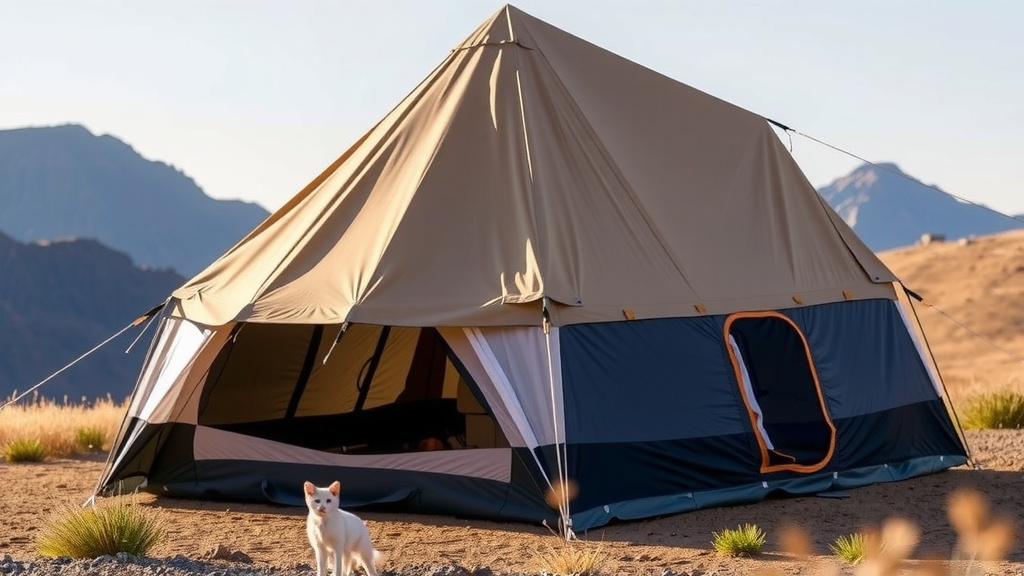
Key Differences at a Glance
Let’s break down the main distinctions so you can see them side-by-side. This comparison should help clarify which style best fits your camping habits.
| Feature | Kodiak Canvas Tent | Flex Bow Tent |
|---|---|---|
| Material | Heavy-duty cotton canvas | Polyester or nylon |
| Durability | Very High | Moderate to High |
| Setup Time | Longer (20-30+ minutes) | Shorter (under 15 minutes) |
| Weight | Heavy | Lighter |
| Weather Resistance | Excellent | Good to Very Good |
| Cost | Higher upfront | Lower to Moderate |
| Condensation | Less prone | More prone without good ventilation |
Which Tent is Right for Your Camping Style?
The choice between a Kodiak Canvas and a Flex Bow really comes down to what you value most in your camping gear. Are you looking for something that feels like a permanent fixture, capable of weathering any storm for years to come? Or do you need a shelter that’s quick to deploy and pack up, allowing you more time to explore?
The “Set It and Forget It” Camper
If you plan on visiting the same campground often, or if you’re the type of camper who enjoys settling in and staying put for a while, a Kodiak Canvas tent might be perfect. They are built for **longevity and serious comfort**. Think of it as investing in a piece of equipment that will be with you for many camping seasons. You appreciate the feeling of solid construction and the peace of mind that comes with superior weather protection. Many campers find that the initial investment pays off over time with fewer replacements and consistent performance.
The “On-the-Go” Adventurer
For campers who love to cover a lot of ground, move between locations, or who simply want to maximize their time enjoying the outdoors rather than setting up camp, the Flex Bow is a strong contender. Its **speedy setup and lighter weight** are major advantages. You can arrive at your campsite, pop up your tent, and be relaxing in minutes. This is ideal for weekend warriors, those who camp during festivals, or anyone who doesn’t want to wrestle with complicated tent poles after a long day of hiking.
Your Camping Checklist
To help you decide, ask yourself these questions:
- Do I prioritize durability over ease of setup?
- How much weight am I willing to carry to the campsite?
- How often do I plan to move my camp location?
- What kind of weather conditions do I typically encounter?
- What is my budget for a new tent?
Conclusion
Ultimately, your perfect tent choice hinges on your camping priorities. If you dream of a tent that feels like a secure fortress, offering unparalleled durability and weather protection for years of adventures, a Kodiak Canvas tent is your best bet. You’ll appreciate its robust build and quiet nights. If, however, you value getting your campsite set up in a flash and prefer a lighter pack for frequent moves, a Flex Bow tent offers fantastic speed and portability. Consider these core differences, and you’re well on your way to choosing a shelter that truly enhances your time in the great outdoors.
Frequently Asked Questions
How do I properly care for a canvas Kodiak tent?
Canvas tents like Kodiak require specific care to prevent mold and mildew. Always ensure your tent is completely dry before storing it. If it gets wet, set it up at home to air dry thoroughly. Regular seam sealing and re-waterproofing treatments can also help maintain its performance over time.
Can a Flex Bow tent handle heavy rain and wind?
Most Flex Bow tents are designed to handle moderate weather conditions quite well. Their pole structure provides good stability. However, for severe storms, canvas tents often offer superior resistance due to their weight and material. Always check the specific weather ratings for the Flex Bow model you’re considering.
Are Kodiak tents too heavy for car camping?
While Kodiak tents are heavier than their synthetic counterparts, they are generally well-suited for car camping. The weight is a trade-off for their extreme durability. Most campers find the manageable weight for transport from the car to the campsite is acceptable given the benefits.
Which tent style offers more headroom?
Both styles are known for excellent headroom, offering a comfortable, spacious interior. The cabin-style design of Kodiak tents and the arched “Flex Bow” pole system of the other type are both engineered to maximize vertical space. You’ll likely find ample room to stand and move around in either option.
Is a Flex Bow tent a good option for beginner campers?
Yes, a Flex Bow tent can be an excellent choice for beginners. Their straightforward setup process means you can spend less time fumbling with poles and more time enjoying your camping experience. The lighter weight also makes them easier to handle and transport, reducing potential early frustration.