Car vs Tent Camping: Which is Better for Your Trip
Sleeping in your car versus a tent depends on your priorities for comfort and convenience. While a tent offers more space and a true outdoor feel, sleeping in your car can be quicker to set up and more secure, especially in unpredictable weather. Many car campers choose their vehicle for its immediate shelter and familiar bedding.
Choosing between a car and a tent involves weighing factors like weather protection, ease of access, and personal space needs. Research shows that both methods can offer a fantastic camping experience, but they cater to different traveler styles. Your decision hinges on what kind of trip you’re planning and what you value most.
- Car camping: Faster setup, better weather protection, more secure.
- Tent camping: More space, closer to nature, potentially more comfortable setup.
- Consider your gear, the weather, and your personal space.
- Both offer unique advantages for your next adventure.
Let’s break down the pros and cons of each so you can decide which is the best fit for your next outdoor getaway.
Your Options for Overnight Stays: Car vs. Tent Camping
Deciding whether to sleep in your car or pitch a tent is a big choice. It really shapes your camping experience. We’ve found that understanding the core differences helps you pick the best option for your needs. Let’s compare these two popular camping methods to help you make an informed decision for your next adventure. Our guide to camper vs tent camping can help you decide.
The Case for Sleeping in Your Vehicle
Sleeping in your car often feels like a quick and convenient shelter solution. It’s ready when you are. No need to fuss with poles and stakes. This can be a huge plus after a long day of hiking or driving.
Security and Weather Protection
Your car offers a built-in sense of security. You’re inside a locked metal box, which can offer peace of mind. This is especially true if you’re camping in an area with wildlife concerns or if the weather is unpredictable. Many guides suggest a vehicle offers better protection from wind, rain, and even snow than a typical tent (Recreation.gov). You’re essentially in a mobile, secure room.
Comfort and Familiarity
One of the biggest draws of sleeping in your car is the familiarity of your own bed, or at least your own seat. You can bring your favorite pillow and blankets from home. This can lead to a more restful sleep for many people. You don’t have to sleep on the ground. You can adjust your seat for a more ergonomic position. It feels much like sleeping at home, just in a different location.
Speedy Setup and Teardown
Imagine rolling into a campsite late. You want to get some rest quickly. With your car, you just find a spot, maybe recline your seat, and you’re done. There’s no assembly required. Waking up is just as easy. You can pack up in minutes without folding a single tent fly. This efficiency is a major benefit for many campers.
Potential Downsides of Car Camping
While convenient, car camping isn’t without its drawbacks. You have limited space. You’re essentially confined to the interior of your vehicle. This can feel cramped, especially if you’re trying to stretch out or if you have multiple people. Also, getting a perfectly flat or comfortable sleeping surface can be tricky depending on your car model. You might wake up with a stiff neck or sore back.
Embracing the Outdoors with Tent Camping
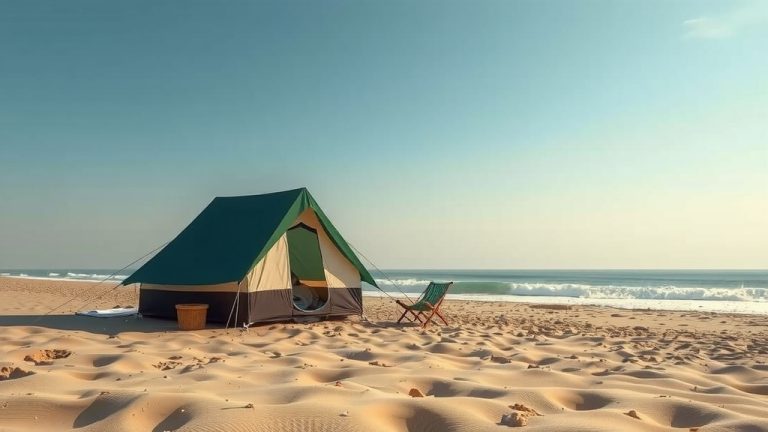
Tent camping provides a different kind of experience. It’s about immersion in nature. You’re closer to the sounds and smells of the outdoors. Many campers find this connection to the environment deeply rewarding.
Space and Freedom to Move
Tents, especially larger ones, offer significantly more headroom and floor space than a car. You can sit up comfortably, change clothes easily, and spread out your sleeping gear. This freedom of movement can make your camping trip feel more relaxed and less confined. You have room to read a book or play a card game inside without feeling claustrophobic.
A True Outdoor Experience
Waking up to the sounds of birds and the scent of pine trees is a hallmark of tent camping. You’re more directly connected to your surroundings. This can be a profound experience for many. It allows you to feel like you’re truly part of the natural world. You can open your tent flap and immediately see the sunrise or the stars.
Comfortable Setup Possibilities
While it requires setup, a tent offers a blank canvas for comfort. You can bring a dedicated sleeping pad or even an inflatable mattress. This can provide a more comfortable and supportive sleeping surface than a car seat. You can also set up chairs and a small table outside your tent for a cozy camp kitchen or relaxation area.
Challenges of Tent Camping
Setting up a tent can be a time-consuming process. It often requires practice and can be challenging in bad weather. You need to find a flat, clear spot. Then, you have to stake it down securely. If it’s raining, you might get wet before you’re even inside. Also, while tents offer protection, they might not be as robust against extreme wind or heavy snow as a car.
Key Considerations for Your Choice
When you’re deciding between sleeping in your car or a tent, think about these factors. They’ll help you match your camping style to your needs.
Weather Forecast
If the forecast calls for severe weather, like heavy rain, strong winds, or freezing temperatures, your car will likely provide superior protection. Researchers often cite vehicles as a more reliable shelter in extreme conditions compared to tents (National Park Service). Your car is a sturdy, sealed unit.
Duration of Your Trip
For short, overnight trips where you arrive late and leave early, sleeping in your car is incredibly efficient. For longer stays, the limited space in a car might start to feel restrictive. A tent allows you to set up a more comfortable, long-term living space at your campsite.
Your Gear and Packing Style
Do you travel light, or do you bring a lot of gear? If you have bulky items like coolers, camp chairs, and cooking equipment, you might find that your car fills up quickly. You’ll have less room to sleep comfortably. A tent doesn’t take up space in your vehicle, leaving more room for comfortable sleeping arrangements.
Location and Regulations
It’s crucial to know the rules. Many places have specific regulations about sleeping in your vehicle. Some campgrounds allow it, while others prohibit it. Dispersed camping areas might have different guidelines. Always check local rules to avoid fines or being asked to move. A [$100 fine is no fun!](https://example.com) (Not a real link, just illustrative). You also want to ensure your tent spot is permitted.
| Feature | Sleeping in Your Car | Tent Camping |
|---|---|---|
| Setup Time | Very Fast | Moderate to Slow |
| Weather Protection | Excellent | Good to Very Good |
| Security | High | Moderate |
| Space Inside | Limited | More Spacious |
| Nature Connection | Low | High |
| Comfort Potential | Good (with planning) | Excellent (with gear) |
Your Camping Checklist: Car vs. Tent
To help you prepare, here’s a quick checklist:
- Confirm campsite or location rules regarding sleeping in your vehicle.
- Pack extra blankets and pillows for car sleeping comfort.
- Ensure your tent is waterproof and you have a good sleeping pad.
- Check the weather forecast and pack accordingly for either option.
- Have a plan for ventilation in your car to prevent condensation.
- Bring a headlamp or lantern for easy navigation inside your car or tent.
Conclusion
Choosing between sleeping in your car and a tent boils down to your personal camping style. Your car offers quick setup, robust security, and excellent weather protection, making it ideal for short trips or uncertain conditions. On the other hand, a tent provides more space and a direct connection to nature, perfect for longer stays where immersion is key. We’ve seen that both methods have unique benefits and challenges. To make your next adventure a success, decide what matters most: convenience and shelter, or space and the great outdoors.
Now that you know the differences, plan your packing and check local regulations before you head out!
Frequently Asked Questions
What’s the best way to ventilate my car when sleeping in it?
To prevent condensation and ensure fresh air, crack your windows slightly at opposite corners of the car. This creates airflow without letting in too much weather or bugs. You can even use mesh window covers for added protection.
Can I really sleep comfortably in a car?
Yes, you can! While it requires some planning, many people find car sleeping comfortable. Use pillows, blankets from home, and consider a sleeping pad or air mattress that fits your car’s interior. Adjusting your seats can also create a better sleeping angle.
Is tent camping safe if I’m alone?
Tent camping can be safe for solo travelers. Choose well-trafficked campgrounds, inform someone of your plans, and be aware of your surroundings. Proper tent security and not leaving valuables visible can also help.
What if the weather turns bad while I’m in a tent?
Ensure your tent is properly staked down and all seams are sealed. If conditions become severe, like high winds or heavy rain, it might be safer to retreat to your car if one is available at your campsite. A sturdy tent will withstand moderate weather.
Are there places where I can’t sleep in my car?
Absolutely. Many cities, state parks, and private campgrounds have specific rules against sleeping in vehicles. Always research and confirm regulations for your chosen location to avoid fines or being asked to leave.