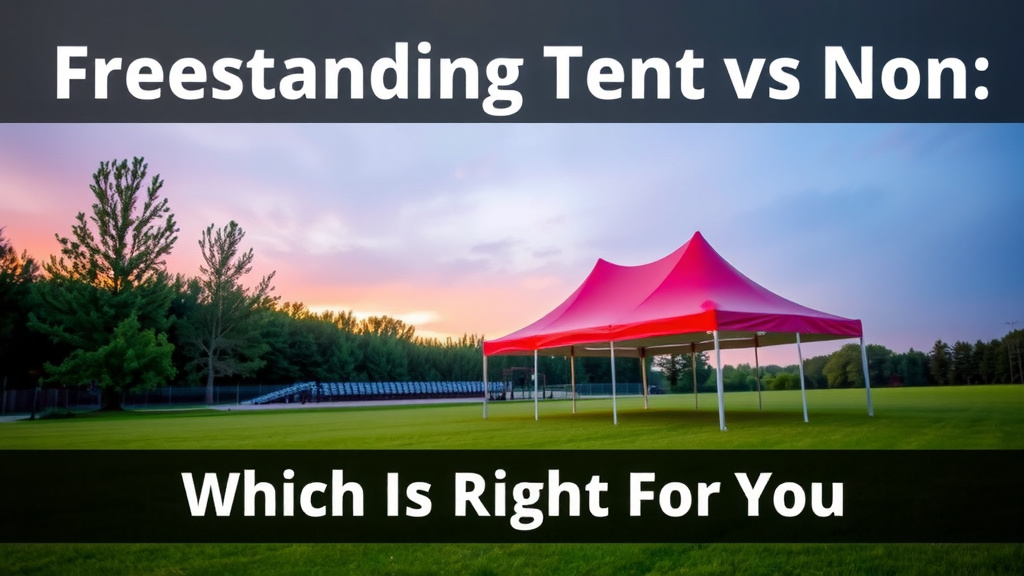
Freestanding Tent vs Non: Which Is Right For You
When choosing your next camping shelter, understanding the difference between a free-standing tent and a non-free-standing one is key. A free-standing tent can be set up and hold its shape without being staked to the ground, making it incredibly versatile for different terrains and situations. This immediate setup capability is its biggest advantage.
While non-free-standing tents often require stakes and guylines to achieve their full structure, free-standing tents rely on their pole system. We found that this design makes them much easier to move before staking and often simpler to pitch, especially in tricky conditions like rocky ground or sand. Many campers prefer this convenience.
- Free-standing tents stand up on their own.
- Non-free-standing tents need stakes and guylines.
- Free-standing tents are easier to move before staking.
- Consider your camping location when choosing.
Ready to figure out which style is best for your adventures? We’ll walk through the pros and cons of each so you can make the most informed decision for your next trip.
Comparing Free-Standing Tents vs. Non-Free-Standing Shelters
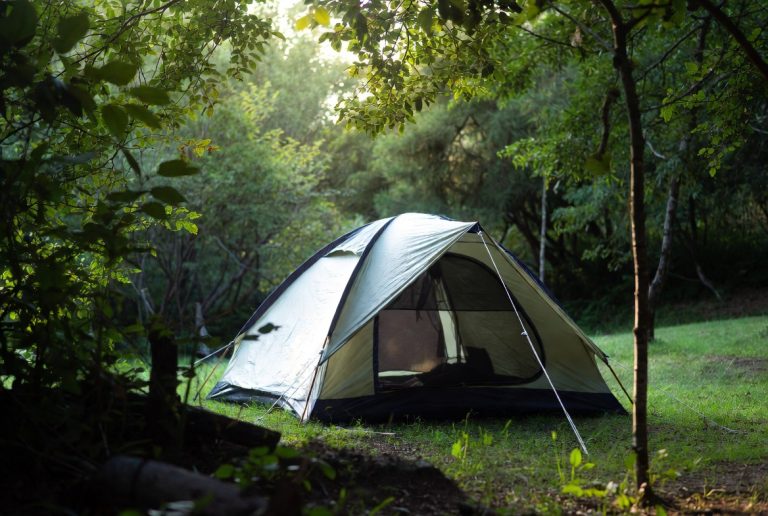
When you’re planning your next outdoor escape, picking the right tent is a big decision. You’ve probably noticed tents are either free-standing or not. So, what’s the real difference? A free-standing tent is designed to stand up on its own. Its pole structure provides the shape. You can set it up almost anywhere. A non-free-standing tent needs help from stakes and guylines. These ropes and pegs anchor it to the ground. This creates the tent’s shape and keeps it stable.
Understanding Free-Standing Tent Advantages
Free-standing tents offer a lot of flexibility. Because they can stand without being staked, you can easily move them around. This is super helpful when you’re figuring out the best spot to pitch your camp. Imagine you set it up, but it’s not quite right – maybe too close to a root, or not facing the view. With a free-standing tent, you can just pick it up and plop it down somewhere else before you even hammer in a single stake. We found this makes setup much less frustrating.
This ability to stand alone also makes them ideal for tricky campsites. Think about rocky ground where hammering stakes is a nightmare, or sandy beaches where stakes just pull out. A free-standing tent works perfectly in these situations. You just need a relatively flat spot for the poles to do their job. Many campers appreciate this ease of use, especially when they’re tired after a long hike.
Setup Simplicity and Pole Systems
The magic behind a free-standing tent is its internal pole system. These poles are typically made of lightweight aluminum or fiberglass. They’re pre-attached to the tent or connect easily. They create a strong framework. This framework holds the tent’s shape, even before you stake it down. Research shows that well-designed pole structures can withstand a good amount of wind and rain (REI Co-op). The magic behind a free-standing tent is its internal pole system, which is often made of lightweight aluminum or fiberglass.
When you unpack a free-standing tent, you’ll usually see a color-coded system. The poles often have matching colors to the sleeves or clips on the tent fabric. This makes pitching a tent feel more like a simple puzzle than a battle. Many people find they can set up a free-standing tent much faster than other types. This speed is a lifesaver, especially if the weather turns. You want to get your shelter up quickly.
When Non-Free-Standing Tents Shine
Non-free-standing tents, often called “trekking pole tents” or “minimalist tents,” have their own set of benefits. Their main advantage is often lighter weight and a smaller packed size. Because they rely on external support, they don’t need as many heavy poles. Instead, they use trekking poles or sometimes even just trees and rocks to create their structure. This makes them a favorite for backpackers who are counting every ounce.
We found that these tents can be incredibly strong and stable when pitched correctly. The use of multiple guylines, which are essentially ropes that run from the tent to stakes, allows you to pitch the tent taut. This taut pitch helps it resist wind from all directions. Many experts note that a properly pitched non-free-standing tent can be more aerodynamic and handle high winds better than some free-standing designs (Outdoor Magazine).
The Role of Stakes and Guylines
For a non-free-standing tent, stakes and guylines are not optional; they are essential. You’ll typically get a set of stakes with the tent, and often additional guylines. You’ll need to find good spots to drive those stakes into the ground. The guylines attach to strategic points on the tent and then anchor to the ground, pulling the fabric taut. This tension is what gives the tent its shape and rigidity.
Learning to pitch a non-free-standing tent involves understanding angles and tension. You might need to use a few more stakes than you’d expect. Some tents even come with extra loops for adding more guylines in windy conditions. This might sound like more work, but for those seeking maximum weight savings and a bomber shelter, it’s a worthwhile trade-off.
Comparing Key Features: A Quick Look
To help you visualize the differences, let’s break down some common aspects:
| Feature | Free-Standing Tent | Non-Free-Standing Tent |
|---|---|---|
| Setup Independence | Stands on its own. | Requires stakes/guylines. |
| Weight | Often heavier due to poles. | Generally lighter. |
| Terrain Versatility | Excellent on most surfaces. | Best on soft ground for staking. |
| Wind Resistance | Good, depends on design. | Can be excellent when pitched taut. |
| Ease of Relocation | Easy to move before staking. | Requires re-staking to move. |
Which Type Is Right for Your Adventures?
The best tent for you really depends on where you plan to camp and how you like to travel. If you often find yourself camping in places like national parks with designated tent pads, or if you appreciate the ability to quickly set up camp and easily adjust your tent’s position, a free-standing tent is likely your best bet. They are also great for car camping or if you’re new to camping and want a straightforward setup.
On the other hand, if you’re a dedicated backpacker, ultralight enthusiast, or someone who loves to explore remote areas where finding perfect tent spots is a challenge, a non-free-standing tent might call to you. Their reduced weight and compact size are hard to beat for long treks. Plus, mastering the pitch can give you a real sense of accomplishment. Many long-distance hikers swear by them.
Your Tent-Choosing Checklist
Before you make your final decision, consider these points:
- Where will you primarily camp? (e.g., rocky, sandy, established campgrounds)
- How important is weight and pack size for your trips?
- How much time and effort do you want to spend setting up?
- What’s your budget? (Sometimes free-standing tents can be more expensive.)
- Do you plan to use trekking poles already?
- What are the typical weather conditions you’ll face?
Conclusion
You’ve seen how free-standing tents offer unmatched convenience and flexibility, especially on challenging terrains or when you need a quick setup. Non-free-standing tents, on the other hand, excel in weight savings and stability when pitched correctly, making them ideal for long-distance hikers. Your camping style and typical destinations are the best guides. Take a moment to review your past trips and future plans. Then, choose the tent that will best support your next adventure. Your perfect shelter awaits!
Frequently Asked Questions
Can I use a free-standing tent without stakes at all?
Yes, you can. A free-standing tent’s pole structure allows it to stand up on its own. You can set it up and use it temporarily without staking it down. However, for safety and stability, especially in windy conditions, we always recommend staking it properly.
What kind of ground is bad for non-free-standing tents?
Non-free-standing tents need solid ground to anchor stakes effectively. Very rocky ground, solid ice, or hard-packed dirt can make it difficult or impossible to drive stakes in. In these situations, a free-standing tent would be a much better choice.
Are non-free-standing tents harder to set up for beginners?
They can be a little trickier initially, as you need to understand how to tension the guylines properly. Most non-free-standing tents come with clear instructions. With a bit of practice, many people find they can pitch them quickly and securely.
Do free-standing tents always come with poles?
Yes, that’s their defining characteristic. The internal pole system is what gives a free-standing tent its structure and allows it to stand on its own. You won’t need separate poles to set up the tent’s main frame.
Can a non-free-standing tent be more stable in high winds than a free-standing one?
Potentially, yes. When pitched taut with multiple guylines, a non-free-standing tent can offer excellent wind resistance because it hugs the ground and its shape is dictated by tension. The stability of a free-standing tent depends more on its pole design and how it’s staked.