
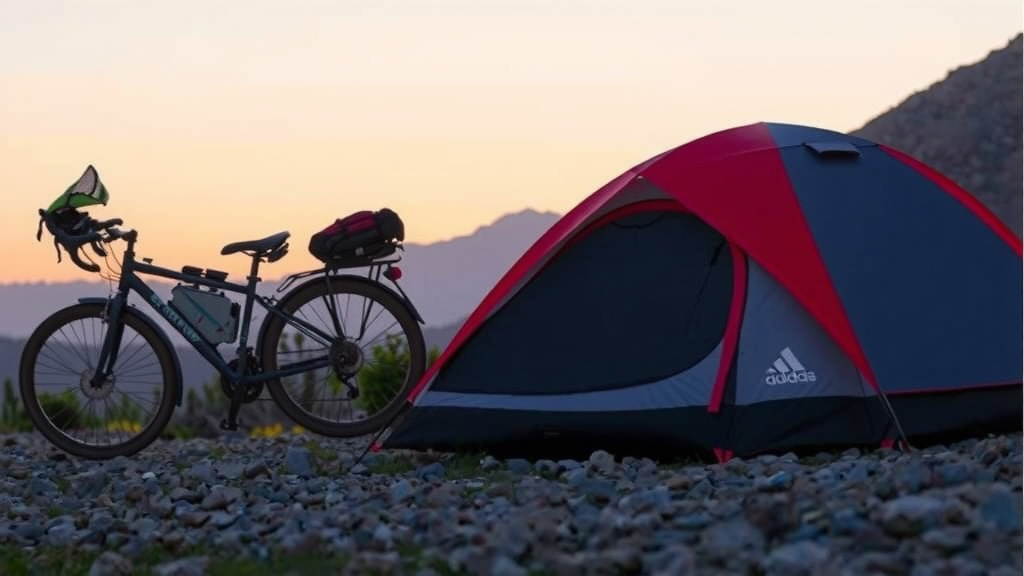
Bikepacking Bivy vs Tent: Which is Right for You
Choosing between a bikepacking bivy and a tent depends on your priorities for weight, space, and weather protection. A bivy is lighter and more compact, ideal for minimalist solo trips in fair weather, while a tent offers more comfort, space, and superior protection for varied conditions or trips with a partner. Many bikepackers find the bivy best for speed and simplicity, but a tent often wins for extended comfort.
When you’re out on the trail, your shelter is your sanctuary. Bikepacking demands careful gear choices, and your sleep system is a big part of that. We’ve researched the differences to help you decide if you need the bare-bones simplicity of a bivy or the roomier security of a tent for your next adventure.
- Bivy sacks are super light and small, great for fast, solo trips.
- Tents are heavier but offer more space and weather protection.
- Consider your typical trip length and the weather you expect.
- Solo riders might prefer a bivy, while duos often need a tent.
- Your budget and tolerance for discomfort also play a role.
Let’s break down the pros and cons of each to help you pick the perfect shelter for your bikepacking journeys.
“`htmlChoosing Your Bikepacking Shelter: Bivy Sack vs. Tent
So, you’re planning a bikepacking trip and need to figure out where you’ll sleep. It often comes down to a bikepacking bivy sack or a tent. Both have their fans, and for good reason. Your choice really hinges on what kind of trips you take and what you value most: **ultralight simplicity** or **all-around comfort**.
The Case for the Bivy Sack: Light and Fast
A bivy sack, short for bivouac sack, is essentially a weather-resistant cover for your sleeping bag. Think of it as a minimalist tent that hugs you close. They are incredibly **lightweight** and pack down to a tiny size. This makes them a dream for bikepackers who want to shave every ounce off their rig and maximize speed.
Weight and Packability
We found that many bivy sacks weigh less than a pound. Some even come in at just a few ounces. This means you can stuff them into a handlebar roll or a small stuff sack without taking up much precious space. For long-distance riders or those tackling steep climbs, this **weight savings** can be a huge advantage. Less weight means less effort on your part.
Simplicity and Speed
Setting up a bivy sack is usually a breeze. You often just unroll it, get in, and maybe use a small pole or stake to give it a little shape. This setup can take mere minutes, which is fantastic if you’re arriving at camp late or the weather is turning nasty. It’s **”set it and forget it”** camping at its finest.
When a Bivy Shines
Bivy sacks are ideal for solo trips where weight is the absolute top priority. They are perfect for fair-weather adventures where you’re not expecting heavy rain or strong winds. If you enjoy sleeping under the stars with just a bit of protection, a bivy offers a wonderfully **immersive outdoor experience**.
The Tent Advantage: Space and Protection
Tents, on the other hand, are what most people picture when they think of camping. They offer a dedicated living space and a more robust shield against the elements. For bikepacking, this means more comfort and security, especially when conditions aren’t perfect.
Living Space and Comfort
Tents provide significantly more headroom and floor space than bivy sacks. You can often sit up inside a tent, change clothes more easily, and organize your gear. This extra room can make a big difference, especially on longer trips or when the weather keeps you inside. It’s like having a little home away from home.
Superior Weather Protection
A well-designed tent offers superior protection against rain, wind, and insects. They typically have a waterproof rainfly that covers the entire tent body. Many also feature mesh panels for ventilation, helping to reduce condensation. For bikepackers heading into areas with unpredictable weather, a tent provides a **reliable sanctuary**.
Versatility for Different Trips
Tents are more versatile for various types of trips. If you’re bikepacking with a partner, a two-person tent is usually necessary. They are also better for trips where you might encounter unexpected storms or need to cook inside your shelter (though this is generally not recommended for safety reasons). Tents offer a **wider range of usability**.
Key Differences at a Glance
To help you visualize, let’s compare them side-by-side. Think of it like choosing between a sports car and a comfortable sedan for your next journey.
| Feature | Bivy Sack | Tent |
|---|---|---|
| Weight | Ultralight (often under 1 lb) | Lightweight to moderate (1.5 lbs and up) |
| Pack Size | Very small | Larger, but still packable |
| Setup Time | Very fast (minutes) | Fast to moderate (5-15 minutes) |
| Interior Space | Minimal (just enough to sleep) | Ample for sitting, changing, gear |
| Weather Protection | Good for fair weather, limited in storms | Excellent in varied conditions |
| Ventilation | Can be limited, potential for condensation | Generally good, especially with mesh |
| Ideal User | Solo, minimalist, speed-focused riders | All riders, couples, comfort-seekers, all-weather trips |
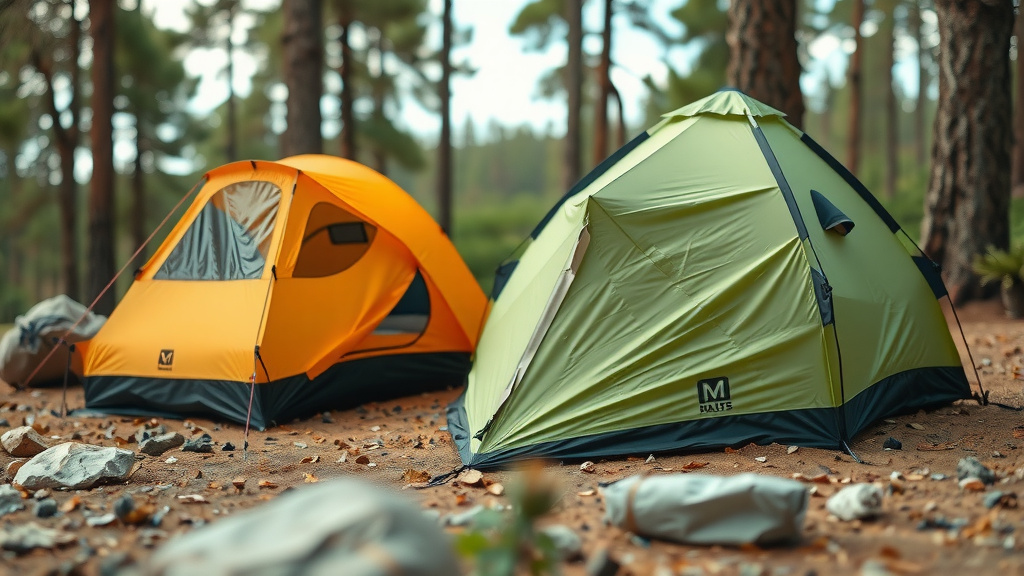
Making the Right Choice for You
When you’re deciding between a bivy and a tent, ask yourself a few questions. What kind of **weather do you typically encounter** on your rides? Are you usually riding solo or with a companion? How much do you value having extra space to spread out and relax after a long day?
Consider Your Typical Rides
If your bikepacking adventures are usually short, solo, and in areas known for mild weather, a bivy might be perfect. You’ll love the **minimalist setup** and the feeling of being closer to nature. Many experts suggest that for bikepackers focused on covering ground quickly, the bivy is the clear winner.
Think About Companionship
If you often ride with a friend or partner, a tent is almost always the better choice. Trying to squeeze two people into most bivy sacks is not only uncomfortable but can also be impractical for gear storage. Research suggests that for shared trips, the **extra space of a tent** is well worth the added weight (Mayo Clinic).
Your Comfort Tolerance
How much do you mind feeling a bit confined? A bivy sack can feel cozy, but it can also feel claustrophobic if you’re not used to it, especially if rain forces you inside for extended periods. If you appreciate having room to move, read, or simply sit up straight, a tent will likely provide a **more restful night’s sleep**.
Final Checklist for Your Decision
To wrap it up, here’s a quick checklist to guide your choice:
- How much do you prioritize ultralight gear?
- Will you be riding solo or with others?
- What are the typical weather conditions you expect?
- How much space do you need to feel comfortable?
- Are you looking for maximum speed and simplicity, or more comfort?
- What is your budget for a new shelter?
Conclusion
You’ve seen how a bikepacking bivy sack and a tent offer distinct advantages. Your choice boils down to your personal priorities. If you crave ultralight speed and embrace minimalist living, a bivy is likely your best friend. For those who value comfort, extra space, and reliable all-weather protection, a tent provides a more robust sanctuary. Think about the types of trips you love and the conditions you’ll face. Your next adventure awaits, so pack smart and sleep soundly!
Frequently Asked Questions
Can I use a bivy sack for more than one person?
Most bivy sacks are designed for solo use only. Trying to fit two people into a standard bivy would be extremely cramped and uncomfortable. If you’re traveling with a partner, a two-person tent is generally the more practical and comfortable option.
How do I deal with condensation in a bivy sack?
Condensation can be a challenge with bivvies, especially in humid conditions. You can help minimize it by ensuring good airflow, if possible, and by using a sleeping bag liner. Some bivvies have features like hoods or small vents that can be opened to improve ventilation.
Are bikepacking tents much heavier than regular camping tents?
Bikepacking tents are specifically designed to be lightweight and packable. While they might be slightly heavier than a bivy, they are generally much lighter than traditional camping tents. Manufacturers focus on using advanced materials to keep the weight down for bicycle touring.
What if I encounter unexpected bad weather on a trip where I brought a bivy?
If you’re using a bivy and expect potential bad weather, it’s wise to have a backup plan. This could involve identifying shelters along your route or knowing that you might need to seek alternative accommodation. A tent offers more security if unpredictable storms are a real possibility.
How much of a difference does the extra space in a tent make for bikepacking?
The extra space in a tent can significantly improve your comfort and morale, especially on longer trips or during bad weather. You can sit up, change clothes, organize gear, and have a place to retreat. This can make a big difference in your overall enjoyment and rest.
![7 Best Beginner Backpacking Tent [2026]](https://leonardhomeoutdoor.com/wp-content/uploads/2026/08/7-best-beginner-backpacking-tent-2026-featured-768x432.jpg)
![7 Best Quick Set Up Tents [2026]](https://leonardhomeoutdoor.com/wp-content/uploads/2026/09/7-best-quick-set-up-tents-2026-featured-768x432.jpg)
![7 Mm Waterproof Tent [2026]](https://leonardhomeoutdoor.com/wp-content/uploads/2026/08/7-mm-waterproof-tent-2026-featured-768x432.jpg)