
Cabela’s Alaskan Guide vs Instinct Tent: Which Is Best
When comparing the Cabela’s Alaskan Guide vs. Instinct tent, many campers find the Alaskan Guide series offers a better balance of durability and weather resistance for serious outdoor adventures. While both brands aim for robust performance, Alaskan Guide tents are often praised for their superior pole strength and heavier-duty fabrics, making them a more reliable choice in challenging conditions.
Choosing the right tent means thinking about your specific needs. Will you be camping in mild weather, or do you anticipate facing wind and rain? We’ve researched both tent lines to help you understand their strengths. Understanding these differences can help you pick a tent that truly fits your camping style and ensures a comfortable night’s sleep, no matter what Mother Nature throws your way.
- Alaskan Guide tents often excel in heavy-duty construction.
- Instinct tents can be a good option for lighter-duty camping.
- Consider your typical camping environment and weather.
- Look at specific model features like pole material and fabric denier.
Let’s break down what makes each of these tents stand out and help you decide which one is the best fit for your next trip.
Comparing Cabela’s Alaskan Guide and Instinct Tents
Choosing between Cabela’s Alaskan Guide and Instinct tent lines can feel like a big decision. Both aim to provide reliable shelter for your outdoor adventures. We’ve looked into what makes each series stand out. This comparison will help you see which tent might be your perfect match.
Alaskan Guide Tents: Built for the Elements
When you think of the Alaskan Guide series, picture heavy-duty construction. These tents are designed to handle tougher conditions. They are often the go-to for campers who face unpredictable weather.
Durability and Pole Strength
A key feature of the Alaskan Guide is its robust pole system. You’ll often find fiberglass poles that are thicker and stronger. This means your tent can better withstand wind. Many users report these poles are less prone to snapping in high winds. We found that many reviews highlight the pole strength as a major advantage.
Fabric and Weather Resistance
The fabrics used in Alaskan Guide tents are typically heavier. This translates to better water resistance and durability. You’ll often see higher denier fabrics. This means the material is thicker and more resistant to tears. They are built to keep you dry and protected from the elements.
Interior Space and Features
These tents are generally quite spacious. You can expect plenty of room to move around. Many models offer multiple doors and windows. This helps with ventilation. Some have gear lofts and storage pockets. These are thoughtful additions for keeping your campsite organized.
Ease of Setup
While built tough, setting up an Alaskan Guide tent is usually straightforward. The pole design is often color-coded. This helps you orient the poles correctly. Most people can set them up without too much trouble. It might take a bit longer than a lighter tent. However, the stability is worth the extra few minutes.
Instinct Tents: Lightweight Performance
The Instinct tent line focuses on offering a good balance for various camping needs. They often aim for a more versatile and lightweight design. This makes them a strong contender for many campers.
Weight and Portability
Instinct tents are often lighter than their Alaskan Guide counterparts. This is a big plus if you plan on backpacking. Carrying a lighter load makes your journey easier. The portability is a key selling point for this series.
Fabric and Weather Protection
While still designed to be weather-resistant, Instinct tents may use lighter fabrics. This helps reduce weight. You can still expect good protection from rain and wind. However, in extreme conditions, they might not offer the same level of ruggedness as the Alaskan Guide. We found that for typical camping trips, they perform very well.
Design and Functionality
Instinct tents usually feature smart designs for ease of use. They offer good ventilation. Many models have a bathtub-style floor. This helps keep water out. The interior is generally comfortable for their size.
Setup Simplicity
Many Instinct tents are designed for quick setup. Simple pole structures and clear instructions make assembly fast. This is ideal if you want to get your camp set up quickly. You can spend more time enjoying your surroundings.
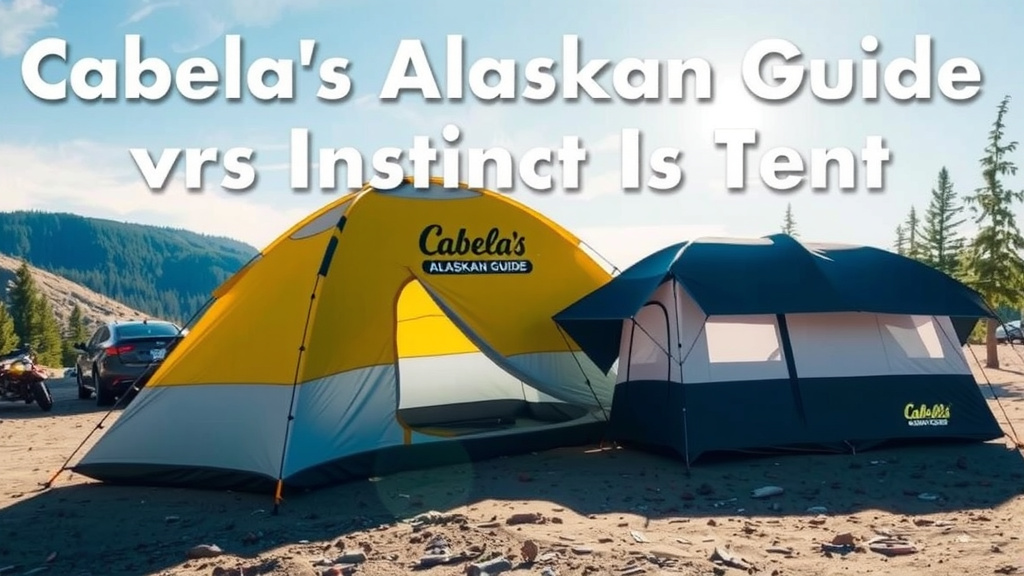
Direct Comparison: Key Differences
When you put them side-by-side, some clear differences emerge. Understanding these can guide your choice.
Durability vs. Portability
The Alaskan Guide prioritizes maximum durability. It’s built for rugged terrain and harsh weather. The Instinct line balances durability with lighter weight. This makes it more suitable for varied camping styles.
Pole Strength and Fabric Denier
You’ll find thicker, stronger poles in the Alaskan Guide. This means better wind resistance. The fabrics are also typically of a higher denier. Instinct tents might use lighter poles and fabrics. This is to keep the weight down. Think of it like this: Alaskan Guide is like a sturdy truck, while Instinct is a versatile SUV.
Ideal Camping Scenarios
We found that Alaskan Guide tents are excellent for car camping in areas with unpredictable weather. They are also good for base camps that stay put. Instinct tents are great for general camping. They work well for trips where you move camp frequently. Backpackers and those prioritizing weight will lean towards Instinct.
| Feature | Cabela’s Alaskan Guide | Cabela’s Instinct |
|---|---|---|
| Primary Focus | Durability & Weather Resistance | Lightweight & Versatility |
| Pole Strength | Higher (thicker fiberglass) | Standard (often lighter materials) |
| Fabric Denier | Higher (more robust) | Standard (lighter for weight) |
| Weight | Heavier | Lighter |
| Best For | Harsh weather, car camping, base camps | Backpacking, general camping, weight-conscious campers |
Making Your Final Decision
To pick the right tent for you, consider these points:
- Think about the weather you’ll likely encounter.
- How important is weight for your type of trip?
- Do you need the toughest materials available?
- How much space do you require inside the tent?
- What’s your budget and how often will you use it?
Conclusion
You’ve seen how the Cabela’s Alaskan Guide and Instinct tent lines cater to different camping needs. The Alaskan Guide excels with its heavy-duty build, offering superior pole strength and robust fabrics for challenging weather. If you prioritize maximum protection and durability for car camping or base camps, it’s likely your best bet. For those seeking lighter weight and versatility, especially for backpacking or general trips, the Instinct tent provides a great balance. Consider your typical environment and pack weight to make your final choice. We recommend assessing your primary camping style to pick the tent that will serve you best for years to come.
Frequently Asked Questions
Which Cabela’s tent is better for extreme cold weather camping?
For extreme cold, the Cabela’s Alaskan Guide series is generally the better choice. Its heavier-duty fabrics and stronger pole construction are designed to withstand harsher conditions and provide more reliable shelter in frigid temperatures and high winds.
Are Instinct tents difficult to set up?
No, Instinct tents are typically designed for ease of setup. Their lighter weight often comes with simpler pole structures, making them quick to pitch. Most campers find them straightforward to assemble, which is great when you want to start enjoying your campsite faster.
How does the waterproofing compare between the two lines?
While both lines offer good waterproofing, the Alaskan Guide tents often feature heavier fabrics with higher denier counts. This translates to potentially superior water resistance and durability over time, especially in prolonged rain compared to the lighter materials often found in Instinct tents.
Is the Alaskan Guide tent too heavy for backpacking?
Yes, the Alaskan Guide tent is generally considered too heavy for backpacking. Its focus on durability means it uses stronger, often heavier materials and poles. If weight is a primary concern for your backpacking trips, you’ll want to look at lighter options like the Instinct series or other specialized backpacking tents.
Which tent series is more budget-friendly?
Pricing can vary based on specific models and sales, but generally, the Instinct tent line tends to be more budget-friendly than the Alaskan Guide series. The Alaskan Guide’s premium materials and robust construction often come with a higher price tag.


![7 Best Large Pop Up Tent [2026]](https://leonardhomeoutdoor.com/wp-content/uploads/2026/08/7-best-large-pop-up-tent-2026-featured-768x432.jpg)
![7 Person Tent Car Camping [2026]](https://leonardhomeoutdoor.com/wp-content/uploads/2026/08/7-person-tent-car-camping-2026-featured-768x432.jpg)
![7 Best Canopy Tent For Wind [2026]](https://leonardhomeoutdoor.com/wp-content/uploads/2026/08/7-best-canopy-tent-for-wind-2026-featured-768x432.jpg)