Ground Tent vs Rooftop Tent: Which is Right for You
Choosing between a ground tent and a rooftop tent (RTT) depends on your camping style and priorities. For most campers, especially beginners or those on a budget, a ground tent is the more practical and versatile choice. RTTs offer convenience for specific situations but come with a higher cost and setup requirements.
Your decision hinges on what you value most: cost-effectiveness and adaptability, or the speed and elevated sleeping offered by an RTT. We’ve researched how each option performs in various camping scenarios to help you decide which shelter best fits your next adventure.
- Ground tents are cheaper and more versatile.
- RTTs offer quick setup and a raised sleeping platform.
- Ground tents work with any vehicle; RTTs need a sturdy roof rack.
- Consider your budget, camping frequency, and desired comfort.
- We found ground tents are best for most casual campers.
Below, we break down the key differences between ground tents and rooftop tents to help you make the best choice for your camping needs.
Ground Shelter vs. Rooftop Tent: Which Is Right For Your Adventures?
Deciding between sleeping on the ground or up high on your vehicle is a big choice. We’ve looked into both options to help you figure out what fits your camping style best.
For many, especially those just starting out or watching their wallet, a ground tent is the clear winner. It’s like the reliable Swiss Army knife of camping shelters. Rooftop tents (RTTs), on the other hand, offer a unique experience, but they come with their own set of considerations.
The Case for the Classic Ground Tent
Ground tents have been around forever for a reason. They’re incredibly versatile and can go almost anywhere your vehicle can. You don’t need anything special to set one up.
Cost-Effectiveness and Simplicity
Let’s talk money. Ground tents are generally much more affordable than RTTs. You can find a decent, durable ground tent for a few hundred dollars. Even high-end models are often less than half the price of a basic RTT.
Setting up a ground tent is also pretty straightforward. Most modern tents use simple pole systems. You can usually have one up and ready for sleeping in 10-20 minutes. This makes them great for spontaneous trips or when you arrive at a campsite late.
Location, Location, Location
One of the biggest advantages is where you can pitch a ground tent. Want to camp by a secluded lake? Need a spot with a great view? As long as it’s permitted, you can usually find a suitable patch of ground. You’re not limited to flat, open areas.
This freedom means you can camp in forested areas, on softer ground, or even in a backyard if you’re just practicing. This flexibility is hard to beat.
Vehicle Compatibility
The beauty of a ground tent is that it works with any vehicle. Whether you have a tiny compact car, a massive SUV, or a trusty pickup truck, your ground tent will be happy to come along for the ride. It doesn’t add any extra weight or aerodynamic drag to your vehicle while you’re driving.
Exploring the World of Rooftop Tents (RTTs)
RTTs are a different breed. They mount directly onto your vehicle’s roof rack system. They offer a sleeping platform that’s elevated off the ground.
Speed and Convenience
The main draw for many RTT buyers is the speed of setup. Once the tent is mounted, you can often deploy it in just a few minutes, sometimes even less than a minute for certain models. This is a huge plus if you arrive at camp after dark or want to get settled quickly.
The sleeping area is often already set up inside the RTT, so you just need to unfold it. Many RTTs also come with a built-in mattress, which can add to the comfort and reduce the amount of gear you need to pack.
Elevated Sleeping and Wildlife
Sleeping off the ground provides a sense of security. You’re less likely to be bothered by crawling insects or small critters. It also gets you away from any moisture or unevenness on the ground.
Many campers enjoy the elevated view that an RTT can offer. You might wake up to a beautiful sunrise without having to leave your cozy sleeping bag.
What You Need for an RTT
Here’s where things get a bit more specific. To use an RTT, you need a vehicle with a sturdy roof rack or crossbars. This rack must be rated to support the weight of the tent, plus the weight of the people sleeping in it. Many lighter cars might not be suitable.
The RTT itself is a significant investment. Prices can range from around $1,000 for a basic model to $3,000 or more for premium versions. You also need to consider the added weight and wind resistance on your vehicle.
| Feature | Ground Tent | Rooftop Tent (RTT) |
|---|---|---|
| Initial Cost | $50 – $500+ (very wide range) | $1,000 – $3,000+ |
| Setup Time | 10-20 minutes | 1-5 minutes (after initial install) |
| Vehicle Requirement | None | Sturdy roof rack capable of supporting weight |
| Portability | Lightweight, packs small | Heavy, permanently mounted (mostly) |
| Camping Locations | Highly flexible, any suitable ground | Requires relatively level parking space |
| Comfort | Depends on sleeping pad/air mattress | Often includes mattress, elevated sleeping |
When an RTT Might Be Ideal
We found that RTTs really shine in certain scenarios. If you do a lot of overlanding or travel to remote areas where finding a perfectly flat, safe campsite is difficult, an RTT can be a game-changer. They are also great for quick overnight stops on long road trips where you just want to pull over and sleep.
If you camp frequently and always in similar conditions, and the budget allows, the convenience factor of an RTT can be worth it. It’s about streamlining your setup and maximizing your time spent enjoying the outdoors.
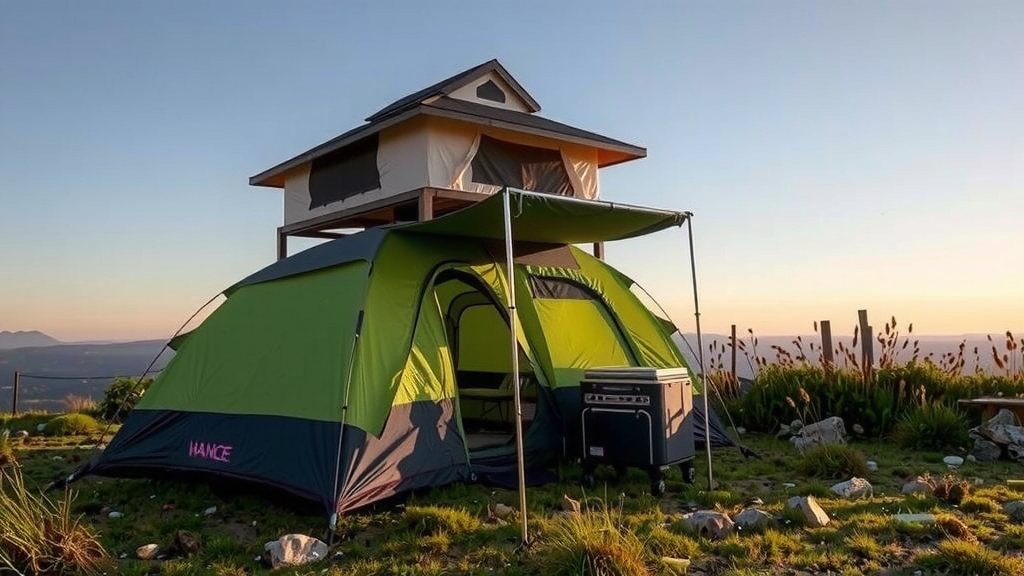
Making Your Final Decision: A Quick Checklist
To help you sort through your options, consider these points:
- Your Budget: How much can you comfortably spend?
- Camping Frequency: How often will you actually use it?
- Vehicle: Does your car have a suitable roof rack?
- Desired Comfort: How important is a built-in mattress and elevated sleep?
- Type of Trips: Are you mostly car camping or venturing off-road?
- Setup Speed: Is saving a few minutes on setup a priority?
Ultimately, both ground tents and RTTs can provide a wonderful place to sleep under the stars. The “best” choice truly depends on your personal preferences and how you plan to use your shelter.
Conclusion
You’ve now seen how ground tents and rooftop tents stack up for your camping adventures. For most people, especially those new to camping or on a tighter budget, a ground tent offers the best balance of cost, versatility, and ease of use. If you need flexibility for different terrains and vehicle types, the classic ground tent is your champion. Consider your personal camping style, budget, and how often you plan to hit the road. It’s time to make the choice that best suits your next outdoor escape!
Frequently Asked Questions
Can a rooftop tent be used on any vehicle?
No, a rooftop tent (RTT) requires a sturdy roof rack system capable of supporting its weight and the weight of occupants. Many smaller cars or SUVs may not have the necessary weight rating. Always check your vehicle’s and rack’s specifications carefully before mounting an RTT.
How much does a rooftop tent cost compared to a ground tent?
RTTs are a significant investment, typically starting around $1,000 and going up to $3,000 or more. Decent quality ground tents can be found for under $500, making them a much more budget-friendly option for most campers.
Is setting up a rooftop tent really faster than a ground tent?
Once mounted, deploying an RTT is generally faster, often taking just a minute or two. Setting up a ground tent typically takes 10-20 minutes, depending on its complexity and your experience.
Are rooftop tents more comfortable than ground tents?
Many RTTs come with a built-in mattress and offer a sleeping platform off the ground, which many find more comfortable and secure. However, you can achieve excellent comfort with a good sleeping pad or air mattress in a ground tent.
Where can I camp with a ground tent that I can’t with a rooftop tent?
Ground tents offer far more location flexibility. You can set them up in forested areas, on uneven terrain, or in small clearings where an RTT wouldn’t be feasible. RTTs require a relatively level parking space for safe and comfortable sleeping.