
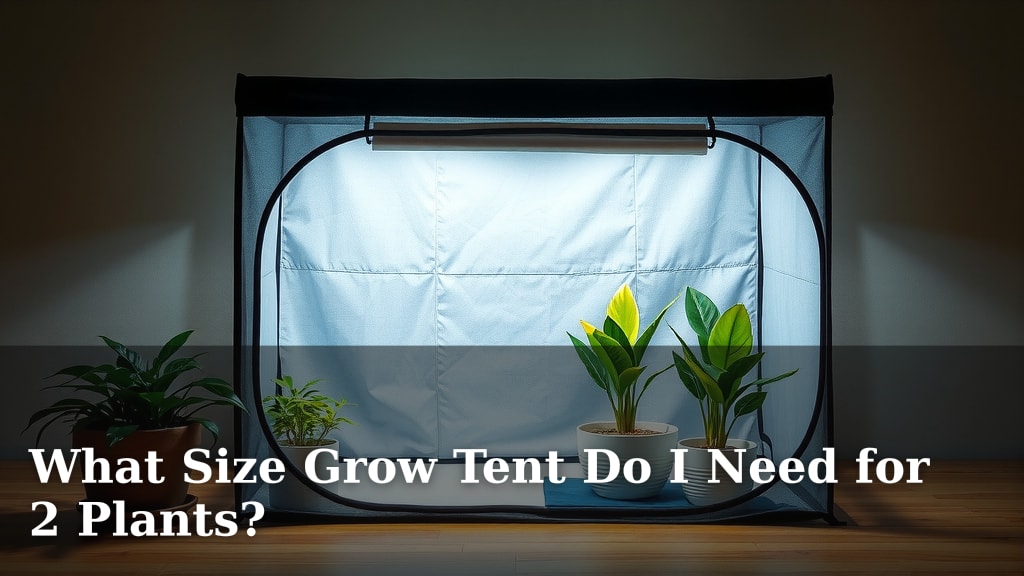
What Size Grow Tent Do I Need for 2 Plants?
For two plants, a 2×2 foot grow tent is generally the minimum recommended size. You need enough space for each plant to grow tall and bushy without touching. Aiming for a 2×4 foot grow tent will give you more room to work with. This provides ample space for both your plants and essential equipment like grow lights and fans.
Choosing the right size tent protects your plants from pests and controls your growing environment. It helps maintain ideal temperature and humidity levels. Many growers find that a slightly larger tent prevents overcrowding. This leads to healthier plants and potentially a better harvest. Consider the mature size of your chosen strains.
- A 2×2 foot tent is the absolute minimum for two plants.
- A 2×4 foot tent offers better space for growth and equipment.
- Consider your plant’s mature size and growth habit.
- Tent size impacts environmental control and ease of maintenance.
We’ve researched the common tent sizes and what works best for a two-plant setup. Below, we’ll walk you through exactly how to pick the perfect grow tent for your needs.
“`htmlChoosing the Right Grow Tent Size for Two Plants
So, you’re looking to grow two plants and wondering about the perfect tent size? It’s a common question, and getting it right makes a world of difference. We’ve found that most growers aiming for two plants benefit most from a tent that offers a bit of breathing room.
Understanding the Space Requirements
Think of your grow tent like a small apartment for your plants. They need space to stretch their legs (roots) and grow their branches without bumping into each other or the walls. Overcrowding can lead to several issues, including poor airflow and increased chances of mold or pests.
Why Space Matters for Plant Health
When plants are too close, their leaves can touch. This reduces airflow between them. Good airflow is **essential for preventing powdery mildew** and other fungal diseases. It also helps regulate temperature and humidity around each plant (CDC). Imagine trying to sleep in a crowded room; it’s not comfortable! Plants feel the same way.
Considering Your Plants’ Full Size
It’s easy to underestimate how large plants can get. Even smaller strains can spread out quite a bit. We recommend looking at the “bushy” or “spreading” potential of the strains you choose. A plant that looks small initially can double or even triple in size during its flowering stage. **Planning for mature size** is key to avoiding problems later.
Recommended Tent Dimensions for Two Plants
Based on our research and feedback from many growers, there are a couple of sizes that stand out for a two-plant setup. Each offers different benefits depending on your specific needs and available space.
The 2×2 Foot Tent: The Bare Minimum
A 2×2 foot tent is often considered the absolute smallest you should go for two plants. It’s a compact option that fits in tight spaces. However, you’ll need to be very mindful of plant training to keep them from outgrowing the space too quickly. This size is best for very small strains or if you plan on using training techniques like LST (Low-Stress Training) extensively.
The 2×4 Foot Tent: The Sweet Spot
Many growers find that a 2×4 foot tent offers a much more comfortable and productive environment for two plants. This size provides ample space for each plant to grow without feeling cramped. You’ll have more room for essential equipment like your grow light, fan, and filter. **Better airflow and easier management** are significant advantages here.
What About a 3×3 Foot Tent?
While a 3×3 foot tent is fantastic for one larger plant or a couple of smaller ones, it can sometimes feel a bit “too square” for two plants if they both tend to grow tall and wide. However, if you practice aggressive training and pruning, it can still work. For most, the 2×4 offers a more balanced rectangular footprint for two plants.
Factors Beyond Just Footprint
While length and width are critical, don’t forget about the height of your tent! Taller tents give your plants room to grow upwards towards the light. This is especially important if you’re using powerful LED lights that need some distance from your plants.
The Importance of Height
Most standard grow tents come in heights of 5 to 7 feet. For two plants, especially if they are Indica-dominant strains that tend to be shorter and bushier, a 5-foot tent might suffice. However, if you’re growing taller Sativa strains or want more overhead space for your light, a 6 or 7-foot tall tent is highly recommended. **Height allows for better light penetration** and heat dissipation.
Equipment Space Considerations
Your grow tent isn’t just for plants; it’s also home to your grow light, fans, filters, and potentially other gear. A larger tent, like the 2×4, gives you more flexibility to arrange your equipment. Proper placement helps optimize airflow and prevents heat buildup. You want to avoid a situation where your equipment is crammed in, hindering ventilation.
Quick Checklist for Your Tent Size Decision
To help you finalize your choice, consider these points:
- What is the **mature size** of the specific strains you plan to grow?
- Do you plan to use **plant training techniques** like LST or topping?
- How much space do you have available in your growing area?
- Will you need space for **extra equipment** like a carbon filter inside the tent?
- What is your **budget** for a grow tent and associated equipment?
- Are you aiming for maximum yield or just a couple of healthy plants?
Ultimately, while a 2×2 is possible, a 2×4 foot grow tent is often the ideal choice for two plants. It strikes a great balance between providing adequate space for healthy growth and managing your environment effectively. Happy growing!
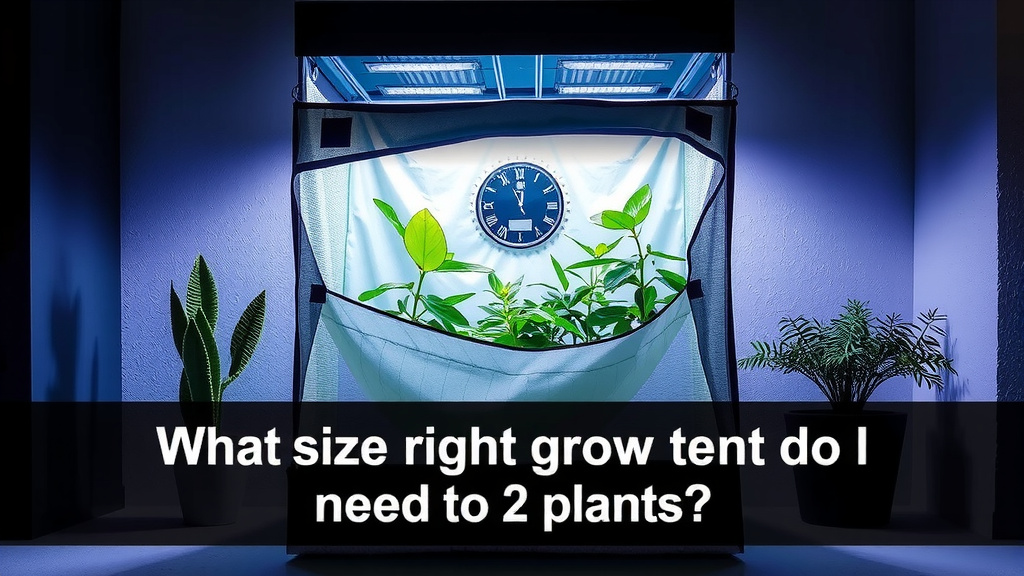
“`
Conclusion
Choosing the right grow tent size for your two plants is a key step for success. While a 2×2 foot tent can work in a pinch, a 2×4 foot tent generally offers the best balance. It provides much-needed space for healthy growth and easier environmental control. You’ll have more room for equipment and better airflow, leading to happier plants. Always consider your strains’ mature size and your available space before making a final decision. Take the time to measure, plan, and pick the tent that will set you up for a rewarding harvest.
Frequently Asked Questions
Is a 2×2 grow tent really enough for two plants?
A 2×2 foot tent is the absolute minimum space for two plants. You’ll likely need to use intensive plant training techniques to manage their size. If your plants grow larger than expected, overcrowding can become a serious issue. It’s best suited for very small strains or if you accept that yields might be smaller.
What if my plants grow much taller than expected?
Tent height is just as important as floor space. If your plants are Indica-dominant and short, a 5-foot tent might be fine. However, for taller Sativa strains or if you want more space above your light, opt for a 6 or 7-foot tent. This allows for better light penetration and heat dissipation.
How much space do I need for equipment inside the tent?
You need to account for your grow light, fan, and potentially a carbon filter. A larger tent, like a 2×4, gives you more flexibility to arrange these items. Proper placement ensures good airflow and prevents heat buildup, which is vital for plant health.
Should I get a square or rectangular tent for two plants?
For two plants, a rectangular footprint is often more beneficial. A 2×4 foot tent, for instance, provides more linear space for plants to grow side-by-side without being too cramped. Square tents, like a 3×3, can work, but the plants might compete for vertical space more readily.
How do plant training techniques affect tent size choice?
If you plan on using techniques like Low-Stress Training (LST) or topping, you can sometimes manage with a slightly smaller tent. These methods encourage plants to grow wider and shorter, fitting better into confined spaces. However, even with training, ensure you still have adequate room for airflow around each plant.
![7 Best Backpacking Tent For The Money [2026]](https://leonardhomeoutdoor.com/wp-content/uploads/2026/06/7-best-backpacking-tent-for-the-money-2026-featured-768x432.jpg)
![7 Best Family Waterproof Tents [2026]](https://leonardhomeoutdoor.com/wp-content/uploads/2026/08/7-best-family-waterproof-tents-2026-featured-768x432.jpg)
![7 Best Pop Up Tents For The Beach [2026]](https://leonardhomeoutdoor.com/wp-content/uploads/2026/09/7-best-pop-up-tents-for-the-beach-2026-featured-768x432.jpg)