What Size Grow Tent Do I Need?
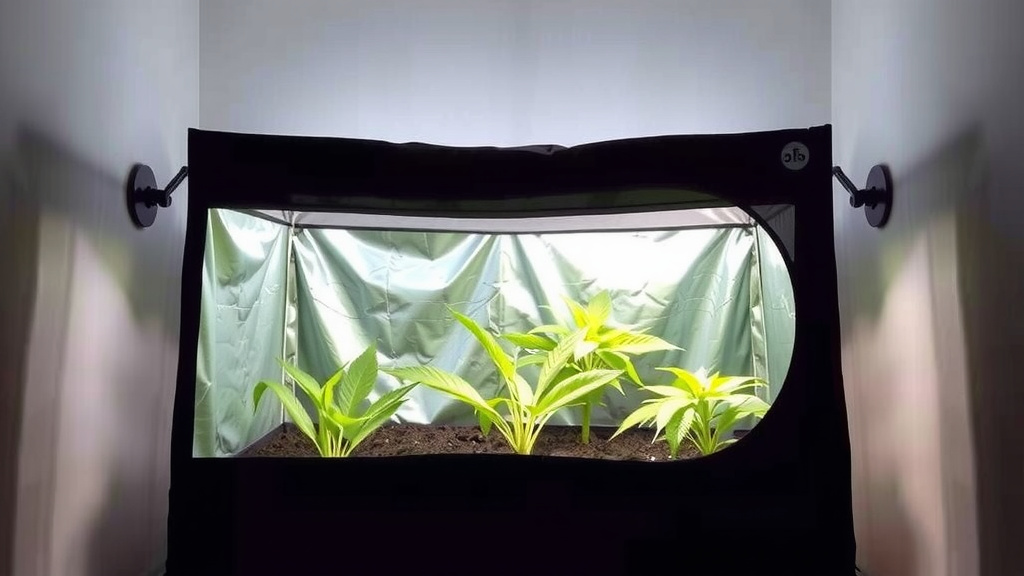
Choosing the right grow tent size is simpler than you think. For most beginners, a 2×2 or 2×4 foot tent is a great starting point. This size offers enough space for a few plants without overwhelming your setup. It’s the perfect balance of manageable and productive for your indoor garden.
The ideal grow tent size really depends on a few factors. You need to consider the number of plants you plan to grow and their final size. Think about the type of lighting you’ll use, as this also impacts heat and space requirements. Getting this right upfront saves headaches later.
TL;DR:
- Smaller tents (2×2, 2×4) are good for beginners.
- Consider plant count and size.
- Lighting type matters for space.
- Bigger isn’t always better early on.
- Plan for vertical space too!
Below, we’ll help you figure out exactly what size grow tent is best for your specific needs.
“`htmlChoosing the Right Grow Tent Dimensions
Picking the right grow tent size is a big step. You want enough room for your plants to thrive. But you don’t want a tent that takes over your space. Let’s break down how to find your perfect fit.
How Many Plants Do You Plan to Grow?
This is the most important question. A single plant needs less space than a whole garden. Think about your goals for your indoor garden. Are you a beginner looking to grow just one or two plants? Or are you ready to scale up to a small forest?
A Few Plants: The Sweet Spot
For most beginners, a 2×2 or 2×4 foot tent is a fantastic starting point. These sizes are great for growing a couple of plants. You can often fit a single, larger plant or two smaller ones comfortably. This setup is easy to manage. It also helps you learn without feeling overwhelmed.
More Plants, More Space Needed
If you want to grow 3-4 plants, you’ll need to step up in size. A 4×4 foot tent is a popular choice for this. It gives you more room to spread out. This prevents plants from competing too much for light and air. Many growers find this size offers a good balance for a decent harvest.
Serious Hobbyist or Small Commercial Setup
Ready for a bigger challenge? Tents like 5×5 or even 4×8 feet offer much more space. These are for those who want to grow more plants. Or perhaps larger strains that grow very tall and wide. Be aware that larger tents require more powerful lights. They also need more robust ventilation systems.
Consider Your Lighting System
Your grow light choice plays a huge role. Different lights have different needs. Some lights produce more heat. Others have a wider footprint. You need to make sure your tent can accommodate both the light and the heat it generates.
LED Lights: Efficient and Cooler
LED grow lights are very popular. They are energy-efficient. They also tend to run cooler than other types of lights. This means you might be able to get away with a slightly smaller tent for the same number of plants. However, ensure your LED choice has a good spread. You don’t want hot spots or dark corners.
HID Lights: Powerful but Hot
High-Intensity Discharge (HID) lights, like MH and HPS bulbs, are very powerful. They can cover a large area. But they also produce a lot of heat. If you plan to use HID lighting, you will likely need a larger tent. You’ll also need a strong exhaust fan. This is essential for temperature control. Many sources recommend at least a 4×4 tent for most HID setups (Horticultural Lighting Association).
Don’t Forget Vertical Space!
Grow tents aren’t just about the floor space. The height of your tent is just as important. Some plants, especially certain strains, can grow quite tall. You need enough vertical clearance for your plants. You also need space for your lights and any hanging equipment.
Measuring Your Needs
Most standard grow tents are 5-7 feet tall. Taller tents are available, sometimes up to 10 feet. Before buying, research the mature height of the plants you plan to grow. Also, factor in the height of your light fixture. And don’t forget about hanging mechanisms. You need at least 12-18 inches of space above your plants. This is for light penetration and heat dissipation.
Tent Size vs. Plant Stage
The ideal tent size can change as your plants grow. Seedlings and young plants don’t need much space. They can often start in a smaller propagation tent. Or a corner of your main grow tent. As they mature, they will need more room to stretch their leaves and roots.
Seedling and Clone Stage
For starting out, a small propagator or a 2×2 tent is perfect. You can easily manage humidity and light. It’s less daunting for tiny plants. Once they are ready to move to the next stage, you can transplant them into your larger grow space.
Vegetative and Flowering Stages
This is when plants really start to expand. They need ample space for healthy growth. Ensure your tent is large enough to accommodate their full size. Overcrowding can lead to poor air circulation. This can increase the risk of pests and diseases. Many growers recommend leaving at least 1-2 feet of space between plants in their mature stage.
A Quick Checklist for Your Grow Tent Size
Here’s a quick way to think about your needs:
- How many plants will you grow?
- What is the expected mature size of those plants?
- What type of grow light will you use?
- How tall is your ceiling space?
- Do you need space for fans and filters inside?
- Are you planning to expand later?
Common Grow Tent Sizes and What They’re Good For
Let’s look at some popular sizes:
| Tent Size (Feet) | Typical Plant Count | Best For |
|---|---|---|
| 2×2 | 1-2 | Beginners, small herbs, single large plant |
| 2×4 | 2-3 | Beginners, small flowering plants, multiple herbs |
| 4×4 | 3-5 | Hobbyists, moderate harvests, various strains |
| 4×8 | 6-8 | Serious hobbyists, larger harvests, commercial testing |
| 5×5 | 4-6 | Dedicated growers, robust harvests, space for equipment |
Remember, these are just guidelines. You can often push these limits with good planning and equipment. For example, a 4×4 tent can support more plants if you use a powerful LED with excellent coverage. But it will be more challenging to manage.
“`
Conclusion
You’ve learned that picking the right grow tent size boils down to your specific goals. Consider your plant count, their mature size, and your lighting system. Don’t forget to account for vertical space needed for growth and equipment. Starting with a smaller tent like a 2×2 or 2×4 is often best for beginners. This approach allows you to learn and grow without being overwhelmed. Ready to choose? Think about these factors, and you’ll find the perfect tent for your indoor garden.
Frequently Asked Questions
Can I fit more plants in a tent than recommended?
While you might be tempted to cram more plants in, it’s generally not recommended. Overcrowding can lead to poor air circulation and increased risk of pests or diseases. It also means plants compete for light and nutrients, potentially reducing your overall yield and plant health. Sticking to recommended numbers ensures better growth.
What if my plants grow taller than expected?
If you anticipate taller strains or are unsure, opt for a taller tent model if possible. Ensure you maintain adequate space between your light source and the plant canopy. This prevents light burn and allows for proper heat dissipation. You may also need to adjust your training techniques to manage plant height effectively.
Do I need extra space inside the tent for equipment?
Yes, absolutely. You’ll need to factor in space for your grow lights, fans (both intake and exhaust), filters, and potentially pumps or other accessories. It’s wise to leave some breathing room around equipment for airflow and maintenance. This is why many growers prefer tents slightly larger than the absolute minimum needed for plants alone.
Is a 4×4 tent suitable for a beginner?
A 4×4 tent can be a great option for a beginner looking to grow a few more plants than a smaller tent allows. It offers more flexibility with equipment choices and plant spacing. However, it does require a larger investment in lighting and ventilation compared to a 2×2 or 2×4 tent. Ensure you have the space and budget for it.
How much space should I leave between plants in my tent?
For optimal airflow and light penetration, aim to leave at least 1-2 feet of space between mature plants. This distance can vary based on plant size and strain genetics. In smaller tents, you might need to train your plants more aggressively to manage space. Good airflow is key to preventing mold and mildew.
![7 Best Tent For Family Of 6 [2026]](https://leonardhomeoutdoor.com/wp-content/uploads/2026/09/7-best-tent-for-family-of-6-2026-featured-768x432.jpg)
![7 Person Tent Car Camping [2026]](https://leonardhomeoutdoor.com/wp-content/uploads/2026/08/7-person-tent-car-camping-2026-featured-768x432.jpg)