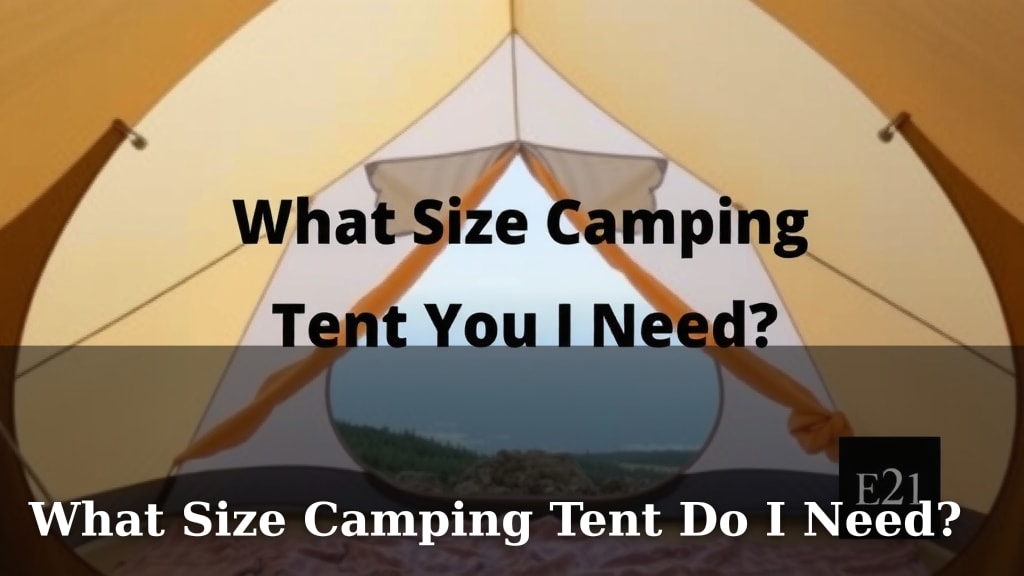
What Size Camping Tent Do I Need?
Choosing the right size camping tent depends primarily on the number of people who will be sleeping in it and how much gear you plan to bring. A tent rated for more people than you actually have is usually a good bet for added comfort and storage space, especially if you’re considering an all-season tent.
While manufacturer ratings offer a baseline, we found that real-world comfort often requires a bit more room than the tag suggests. Consider your sleeping style, any bulky equipment like backpacks or cots, and whether you want extra space for lounging on rainy days. Tent size isn’t just about fitting bodies; it’s about creating a livable outdoor space.
- Consider the number of people and your gear.
- A tent rated for more people than you is usually more comfortable.
- Think about your sleeping style and any extra items.
- Extra space is great for lounging, especially in bad weather.
Let’s break down exactly how to pick the perfect tent size for your next adventure.
Choosing the Right Camping Tent Capacity
Selecting the perfect tent size is key for a comfy camping trip. It’s not just about sleeping space. You also need room for your gear and maybe a place to hang out if it rains. We’ve found that looking at manufacturer ratings is a good start, but there’s a bit more to consider.
Understanding Tent Capacity Ratings
Tent manufacturers rate their tents by the number of people they can sleep. A 2-person tent is designed for two people sleeping bag to sleeping bag. A 4-person tent fits four people in the same way. It’s a tight squeeze by design. We found that most people want more room than this.
The “Real World” Tent Size Formula
Many campers agree that adding one or two extra spots to the manufacturer’s rating is a good idea. For example, if you’re a couple, a 2-person tent might feel cramped. A 3-person or even a 4-person tent would offer more comfort and storage. We found this to be especially true for car camping.
Why More Space Matters
Think about your gear. You’ll likely have backpacks, sleeping pads, and maybe boots inside the tent. If you’re camping in cooler weather, you might bring extra layers of clothing. All this takes up space. A larger tent gives you a place to store this gear without tripping over it. Many people also like a bit of headroom to sit up comfortably. This is a game-changer, especially for longer trips.
Consider Your Sleeping Style
Do you spread out when you sleep? Or do you curl up in a tight ball? If you’re a “spreader,” you’ll definitely want a bigger tent. Even if you’re a “curler,” a bit of extra elbow room can make a big difference. We found that a tent rated for one person more than you have is often the sweet spot for solo campers who like to spread out.
Tent Size for Different Camping Scenarios
The type of camping you’re doing influences the size you’ll need. Car camping offers more flexibility than backpacking. For car camping, you can afford to bring a slightly larger, heavier tent. Backpacking requires a lighter, more compact tent, so you might have to compromise on space.
Car Camping: Go for Comfort
When your car is right by your campsite, tent weight and size are less of a concern. You can pack more. This means you can bring that bigger tent for added comfort. Many families opt for a 6-person tent for a family of four. This gives them room for kids, gear, and a play area for rainy days. We found that many families consider the tent a second living room.
Backpacking: The Weight-vs-Space Trade-Off
Backpacking means carrying everything on your back. Every ounce counts. So, a 2-person tent is usually just for two people. There’s little room for extra gear inside. Most of your gear will be stored in a waterproof stuff sack outside the tent or under the rainfly vestibule. We found that backpackers often choose a tent rated for one person less than the total number of hikers to save weight.
Group Camping Considerations
Camping with a larger group adds another layer. You might decide to share a single, very large tent. Or, you might set up several smaller tents. A large group tent can be a fun communal space. However, if privacy is important, multiple smaller tents might be better. Many group sites have rules about the number of tents. You’ll want to check those too.
Tent Dimensions and Livability
Beyond just the person rating, the actual dimensions of a tent matter. You need to look at the floor space and the peak height. These numbers tell you how livable the tent will be.
Floor Area: Square Footage for Your Home Away From Home
Tent dimensions are usually listed in width and length. For example, a tent might be 8 feet long by 6 feet wide. This gives you 48 square feet of floor space. We’ve seen that many tents list this clearly. Always check this measurement. It’s your best indicator of how much room you actually have on the ground.
How to Visualize Floor Space
Think of it like a small bedroom. If you plan to put two sleeping pads side-by-side, measure their widths. Then, add up the widths to see how much width you need in the tent. If each person needs 25 inches of width, and you have two people, you need at least 50 inches of tent width. A tent that is 60 inches wide would give you 10 inches of buffer space.
Peak Height: Standing Up in Your Tent
Peak height refers to the tallest point inside the tent. This is usually in the center. A tent with a high peak height allows you to sit up comfortably. Some tents even let you stand up fully. This makes a huge difference in comfort, especially if you plan to spend time inside the tent. For those who are taller, a higher peak height is essential. We found that tents with a peak height of 4 feet or more are generally comfortable for sitting.
| Tent Rating | Ideal for (Number of People) | Comfortable for (Number of People with Gear) | Typical Floor Area (sq ft) | Example Use Case |
|---|---|---|---|---|
| 2-Person | 2 | 1-2 | 20-35 | Solo backpacker who likes space, or two close friends on a short trip. |
| 3-Person | 3 | 2 | 35-50 | Couple looking for extra gear space, or two backpackers who want more room. |
| 4-Person | 4 | 2-3 | 50-70 | Small family or group of friends who want comfort and gear storage. |
| 6-Person | 6 | 4-5 | 70-100+ | Family camping or larger groups who need significant living space. |
Specialty Tents and Considerations
Some tents are designed with specific needs in mind. Family tents are often taller and have multiple rooms. Backpacking tents prioritize lightness. Knowing these differences helps you choose wisely.
Family Tents: Your Home Away From Home
These are usually larger tents designed for comfort. They often have features like multiple rooms, plenty of ventilation, and gear lofts. If you’re camping with children, a family tent is a great choice. We found that many family tents are rated for a higher number of people than a typical backpacking tent to accommodate everyone and their belongings.
Backpacking Tents: Lightweight and Compact
As we’ve touched on, these tents are all about saving weight and space. They are designed to be as small and light as possible while still providing shelter. You might sacrifice some headroom or floor space. For serious backpackers, this trade-off is usually worth it. Many experts say to look for silnylon or Dyneema fabrics to keep weight down (REI).
Four-Season Tents: Durability Over Space
If you plan on camping in harsh weather, like snow or strong winds, you’ll need a four-season tent. These are built to be incredibly strong. They often have steeper walls to shed snow and fewer mesh panels. Because of their robust construction, they can sometimes feel a bit smaller inside than a comparable three-season tent. We found that while they offer superior protection, comfort might be secondary.
Your Tent Size Checklist
To wrap things up, here’s a quick checklist to help you decide on the perfect tent size:
- How many people will sleep in the tent regularly?
- Will you need space for gear inside the tent?
- Do you or your camping companions spread out while sleeping?
- Is this for car camping (more space is fine) or backpacking (weight matters)?
- Do you want extra room for sitting or playing games inside?
- What is the peak height of the tent? Can you sit up comfortably?
Conclusion
Choosing the right tent size is about balancing your needs for comfort, gear storage, and the type of camping you enjoy. Remember, manufacturer ratings are a guideline, not a strict rule. We’ve found that adding a little extra space often makes a big difference in your overall experience. Whether you’re car camping with family or backpacking solo, considering your personal sleeping style and the amount of equipment you bring will lead you to the perfect shelter. Your next adventure awaits, so use this guide to find a tent that feels like a cozy home away from home.
Frequently Asked Questions
How much extra space should I add to a tent’s rating?
We recommend adding one to two person capacities to the manufacturer’s rating for a more comfortable experience. This extra room is great for storing gear and offers more freedom to move around. For example, a couple might be happier in a 3- or 4-person tent rather than a strict 2-person model.
Does tent peak height really matter that much?
Yes, peak height can significantly impact your comfort, especially for longer trips or if you dislike feeling cramped. A higher peak allows you to sit up comfortably, change clothes more easily, and adds to the overall livability of the tent. We found that tents with a peak height of around 4 feet or more are generally quite comfortable for sitting.
What’s the main difference between car camping and backpacking tent sizing?
For car camping, weight isn’t a major concern, so you can opt for a larger, more comfortable tent. Backpacking requires a lightweight, compact tent, meaning you might have to compromise on space and store gear outside. We’ve seen backpackers often choose a tent rated for one less person than the group size to save weight.
Can I use a 2-person tent if I’m camping alone?
Absolutely! Many solo campers prefer a 2-person tent, or even larger, to have ample space for themselves and their gear. This extra room provides comfort for spreading out, reading, or organizing your equipment without feeling confined. We found that solo adventurers often appreciate the added personal space.
How do I calculate if a tent’s floor dimensions will fit my sleeping pads?
Measure the width of your sleeping pads and add them together. Then, compare this total width to the tent’s listed width. Ensure there’s a few inches of buffer on each side for comfort and easy movement within the tent. We suggest this simple measurement to avoid any unpleasant surprises regarding floor space.
![7 Season Tents For Camping [2026]](https://leonardhomeoutdoor.com/wp-content/uploads/2026/08/7-season-tents-for-camping-2026-featured-768x432.jpg)