Hard Shell vs Soft Rooftop Tent: Which Is Right For You
Deciding between a hard shell roof top tent and a soft shell roof top tent really comes down to your priorities: speed and convenience versus cost and weight. Hard shells pop open in seconds, making them ideal for quick overnight stops or when you arrive at camp late. Soft shells, while taking a bit longer to set up, are generally lighter and more budget-friendly.
Think of it like choosing between a sports car and an SUV for your camping adventures. Your choice impacts how fast you can get going and how much gear you can bring. We found that many campers weigh these trade-offs heavily when making their decision, considering factors like weather resistance and storage space.
- Hard Shell: Faster setup, better in rough weather, more durable, but heavier and pricier.
- Soft Shell: Lighter, cheaper, more versatile, but slower to set up and can be less weather-proof.
- Key Factors: Consider your budget, how quickly you need to set up camp, and the typical weather you’ll encounter.
- Personal Needs: Your travel style—whether you’re always on the move or prefer longer stays—will guide your choice.
Let’s break down the pros and cons of each so you can pick the perfect rooftop tent for your next trip. To help you pick the perfect rooftop tent, consider the best cars for rooftop tents.
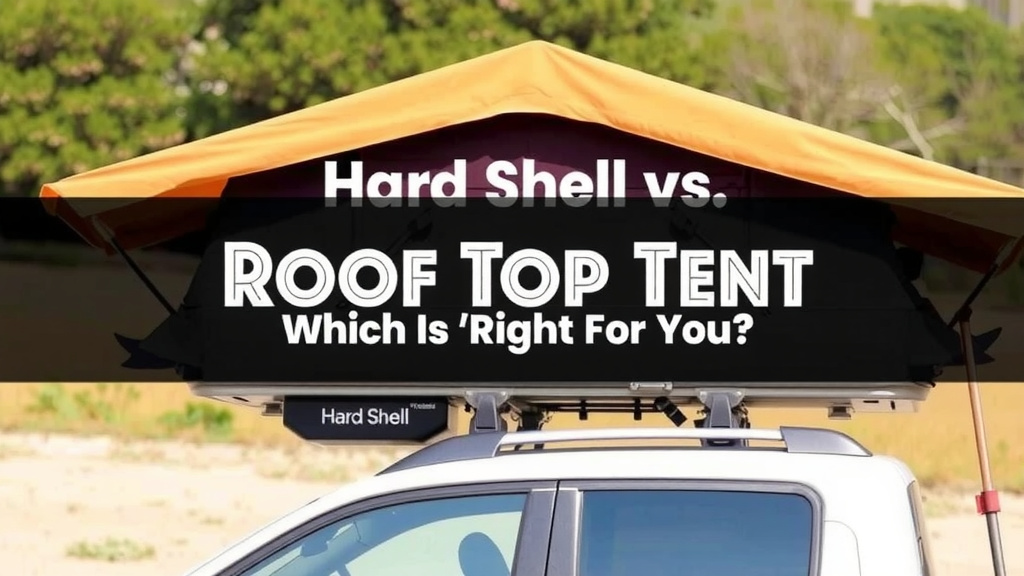
Hard Shell vs. Soft Shell: Which Roof Top Tent is Right for You?
Choosing between a hard shell and a soft shell roof top tent is a big decision. It impacts your camping experience a lot. Think about what matters most to you. Do you want to set up camp super fast? Or is saving money a bigger priority? We’ve looked into what makes each type unique.
Understanding the Hard Shell Roof Top Tent
Hard shell tents are known for their speed and durability. They typically feature a rigid case that protects the tent fabric and structure when closed. When you’re ready to camp, you simply release a latch, and the gas struts lift the shell open. The tent fabric unfolds, and poles automatically set up the interior space.
The Speed Advantage of Hard Shells
This setup process is incredibly quick. You can often have your tent ready in under a minute. This is a huge benefit if you’re arriving at your campsite late or if you’re constantly moving from spot to spot. Imagine pulling over after a long day of driving. You can be relaxing inside your tent with minimal fuss.
Durability and Weather Resistance
The hard shell itself offers excellent protection against the elements. Rain, wind, and even falling branches are less of a concern when the tent is closed. Many designs are aerodynamic, helping to reduce wind noise while you drive. When open, the sturdy construction can often withstand stronger winds than soft shell models.
Research indicates that robust materials and a well-engineered frame contribute to this resilience (Go Further Magazine). The rigid shell also acts as a shield against road debris during travel. This makes them a popular choice for overland adventures and off-road expeditions.
What to Consider with Hard Shells
The main drawbacks of hard shells are their weight and cost. They are generally heavier than soft shells, which can affect your vehicle’s fuel efficiency and may require a stronger roof rack system. They also tend to be more expensive upfront. So, if budget is a major concern, this might not be your first pick.
Exploring the Soft Shell Roof Top Tent
Soft shell tents are the more traditional style of roof top tent. They consist of a fabric tent that folds out from a base, usually mounted on your roof rack. They often come with an attached ladder for access.
The Setup Process for Soft Shells
Setting up a soft shell takes a bit more effort. You’ll need to unzip the cover, unfold the tent fabric, and then typically set up some poles manually to create the living space. While not difficult, it does take longer than a hard shell, often a few minutes. This is something to keep in mind if you value speed.
Weight and Affordability
One of the biggest advantages of soft shell tents is their lighter weight. This makes them more accessible for a wider range of vehicles, including smaller cars and SUVs that might not handle the weight of a hard shell. They are also generally more affordable, making them a great entry point into roof top tent camping. Many people find they get a lot of camping comfort for their dollar.
Versatility and Space
Soft shells can often offer more living space when set up. Some models have annexes or extensions that provide extra room for cooking or storage, which can be very appealing. Because they are often less bulky when packed, some campers find they can also store more gear on top of the tent, or the tent itself can be less obtrusive on smaller vehicles.
Key Differences at a Glance
To help you visualize the differences, here’s a quick comparison:
| Feature | Hard Shell Tent | Soft Shell Tent |
|---|---|---|
| Setup Speed | Very Fast (under 1 minute) | Slower (few minutes) |
| Weight | Heavier | Lighter |
| Cost | Higher | Lower |
| Durability | High (rigid shell) | Good (fabric dependent) |
| Weather Resistance | Excellent | Good to Very Good |
| Vehicle Compatibility | Requires stronger racks/vehicles | Wider vehicle compatibility |
Making Your Final Decision
Think about your typical camping trips. Do you often arrive at your destination after dark? If so, the rapid setup of a hard shell might be worth the extra cost and weight. Are you on a tighter budget or driving a smaller vehicle? A soft shell could be the perfect fit. Many people start with a soft shell and upgrade later if their needs change.
Consider Your Camping Style
If you’re a weekend warrior who likes to hit different spots every few days, speed is likely important. If you prefer to set up camp and stay put for a week, the setup time might be less critical. We found that how often you plan to move camp is a major factor for many campers.
Don’t Forget the Little Things
Beyond the main tent structure, think about accessories. Do you want an annex for extra space? Some soft shells come with these as standard or as an option. Hard shells often have integrated features like crossbars on top for carrying extra gear when the tent is closed.
A Quick Checklist for Your Decision
To help you narrow it down, consider these points:
- How important is quick setup after a long drive?
- What is your budget for the tent and any necessary roof rack upgrades?
- What kind of vehicle will you be mounting the tent on?
- How often will you be moving camp versus staying put?
- What kind of weather conditions do you typically camp in?
- Do you need extra living or storage space (like an annex)?
Conclusion
You’ve explored the core differences between hard shell and soft shell roof top tents. We found that your choice boils down to balancing setup speed, durability, and cost. Hard shells offer lightning-fast deployment and superior weather protection, ideal if you’re often on the move or face challenging conditions. Soft shells provide a lighter, more budget-friendly entry point with good versatility. Before you buy, ask yourself: what camping style suits you best? Consider your vehicle’s capabilities and your budget. We recommend making a list of your must-haves. Then, pick the tent that best fits your next adventure.
Frequently Asked Questions
Can a soft shell roof top tent withstand strong winds?
Soft shell tents can handle moderate winds well. Their fabric construction allows for some flex. However, extreme wind conditions can be tougher on them than on a hard shell. Always check the manufacturer’s wind rating and secure your tent properly.
Are hard shell roof top tents difficult to install on a vehicle?
Installation can be a bit of a project, as they are heavy. You might need a second person or even professional help. Ensure your vehicle’s roof rack system is rated to handle the tent’s weight. Once mounted, they are very secure.
Do soft shell tents take a lot of effort to set up and take down?
Setting up a soft shell takes a few minutes. You’ll typically unzip, unfold, and set up a few poles. Taking it down involves reversing these steps. It’s not overly strenuous, but it does require more time than a hard shell.
Can I leave camping gear on top of a hard shell tent when it’s closed?
Yes, many hard shell tents are designed for this. Some even have integrated crossbars. This is a great way to save space inside your vehicle. Always check the specific model’s weight limits and ensure gear is secured properly.
Which type of roof top tent is better for long-term camping trips?
For longer stays where you set up camp and relax, either tent can work well. If you value having extra living space, a soft shell with an annex might be ideal. If you prefer a quick, robust shelter that’s always ready, a hard shell is also a solid choice.
![7 Best Backpacking Tent For Dogs [2026]](https://leonardhomeoutdoor.com/wp-content/uploads/2026/06/7-best-backpacking-tent-for-dogs-2026-featured-768x432.jpg)
![7 Best Canvas Tents For Camping [2026]](https://leonardhomeoutdoor.com/wp-content/uploads/2026/08/7-best-canvas-tents-for-camping-2026-featured-768x432.jpg)
![7 Best Beach Cabana Tent [2026]](https://leonardhomeoutdoor.com/wp-content/uploads/2026/08/7-best-beach-cabana-tent-2026-featured-768x432.jpg)