Rooftop Tent vs Camper Trailer: Which is Right for You
Choosing between a rooftop tent and a camper trailer really depends on your adventure style. Rooftop tents offer quick setup and vehicle mobility, perfect for spontaneous trips. Camper trailers provide more space and amenities, ideal for longer stays and families. Both are great ways to camp, but they suit different needs.
Think about where you like to go and how you like to travel. If you enjoy hitting remote trails and need to move camp often, a rooftop tent might be your best bet. If you prefer a more comfortable, home-away-from-home experience with room for gear, a camper trailer could be the right choice for your travels.
- Rooftop tents: quick setup, great for mobile campers.
- Camper trailers: more space, better for longer trips.
- Consider your travel style and destination.
- Think about setup time versus comfort level.
Let’s break down the pros and cons of each to help you decide which one will be your next adventure companion.
Comparing Your Camping Options: Rooftop Tents vs. Camper Trailers
When planning your next outdoor escape, deciding between a rooftop tent and a camper trailer can feel like a big choice. Both offer fantastic ways to experience nature without roughing it too much. We’ve looked into what makes each unique to help you figure out which one fits your travel dreams.
The Case for the Rooftop Tent: Freedom and Speed
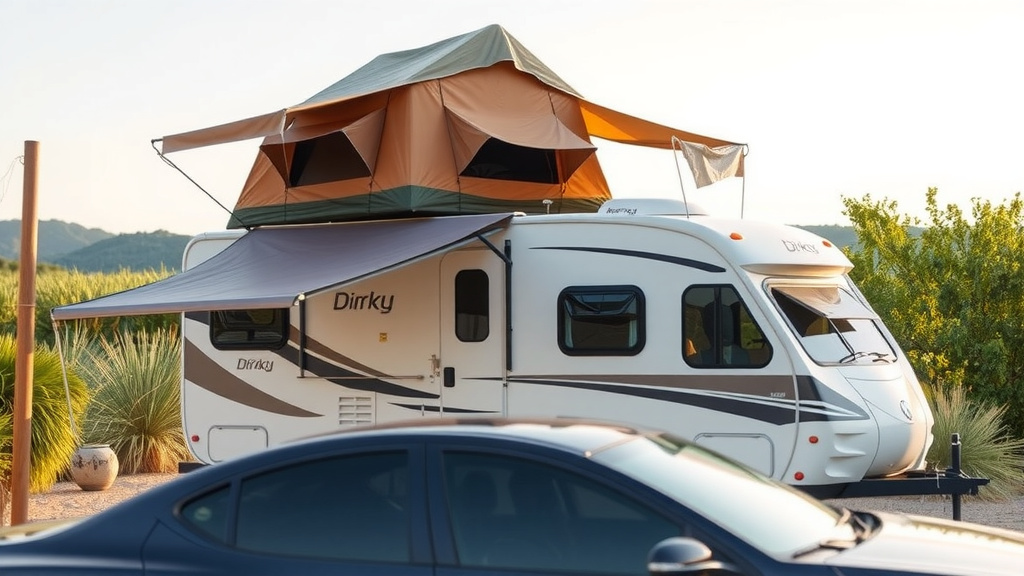
Imagine pulling over, flipping open a tent, and being ready to relax within minutes. That’s the magic of a rooftop tent (RTT). It’s mounted directly onto your vehicle’s roof rack. This means you don’t need to find a flat spot on the ground for a tent. It’s all about The magic of a rooftop tent is its quick setup, mounted directly onto your vehicle’s roof rack.quick setup and keeping your vehicle mobile.
Setting Up Camp in Minutes
One of the biggest draws of an RTT is how fast you can set up. Most models deploy in under five minutes. You simply unlock a few latches, and the tent pops open, often with an integrated ladder for easy access. This is a huge advantage if you plan on moving camp frequently or arrive at your campsite late.
Mobility and Vehicle Access
With an RTT, your sleeping quarters are always with you. You can drive your vehicle right up to scenic viewpoints or trailheads. You don’t have to leave your shelter behind. This type of setup is perfect for overlanding or trips where you want to cover a lot of ground. Plus, it keeps the ground clear for cooking or lounging.
Space and Comfort Considerations
While not as spacious as a camper trailer, many RTTs offer comfortable sleeping for two to three people. They usually come with a built-in mattress. Some higher-end models even include features like annex rooms for extra living space or storage. The elevated position also means you sleep above the ground, away from creepy crawlies and potential flooding.
When an RTT Shines Brightest
RTTs are ideal for adventurers who value speed and flexibility. They’re great for weekend warriors, solo travelers, or couples who enjoy exploring national parks and remote areas. If your trips involve changing locations every night or two, an RTT will save you precious time. Many studies show that quicker setup leads to more relaxation time (National Park Service).
The Appeal of the Camper Trailer: Space and Amenities
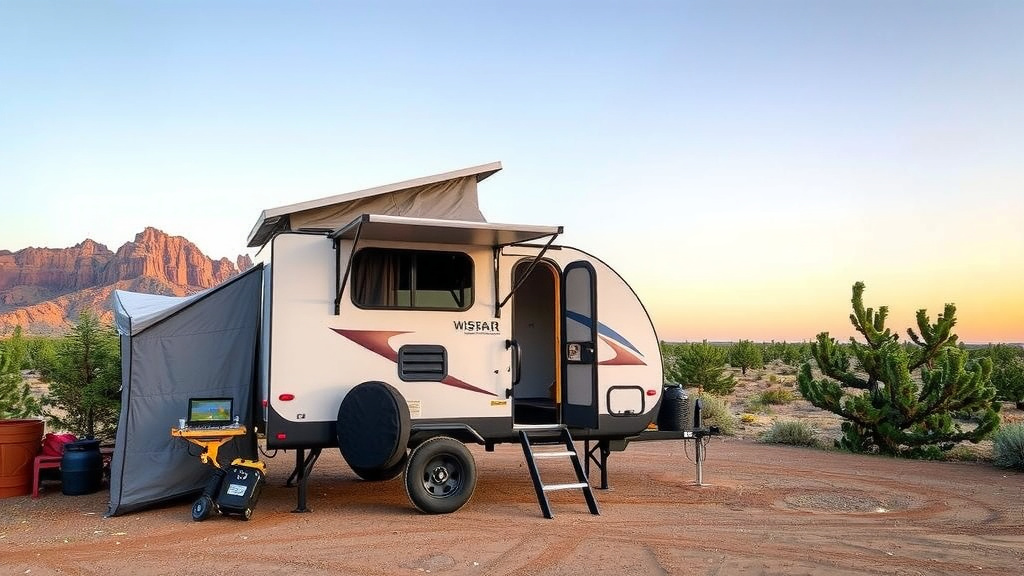
If your idea of camping involves more home comforts and room to spread out, a camper trailer might be your perfect match. These trailers tow behind your vehicle, offering a much larger living space than an RTT. They range from small teardrop trailers to larger models with slide-outs.
More Room to Live and Breathe
Camper trailers offer significantly more space than rooftop tents. You’ll find dedicated areas for sleeping, cooking, and relaxing. Many come with comfortable beds, dinettes, and storage for all your gear. This makes them excellent for longer trips or family vacations where everyone needs their own elbow room.
Onboard Amenities and Convenience
Many camper trailers come equipped with kitchens, bathrooms, and even showers. This level of convenience means fewer trips to public restrooms and more time enjoying your vacation. Some models have refrigerators, microwaves, and heating or air conditioning. It’s like bringing a mini-home on wheels. Research indicates that having access to private facilities greatly enhances the camping experience for many (U.S. Department of the Interior).
Setup for Relaxation
While setting up a camper trailer takes longer than an RTT, it’s often more about settling in for a longer stay. You might need to level the trailer, set up stabilizers, and hook up utilities if available. However, once set up, you have a stable, comfortable base camp. This is ideal for exploring an area over several days without packing up your sleeping arrangements.
Towing Considerations
The main drawback of a camper trailer is the need for a vehicle capable of towing. You also need to be comfortable driving with a trailer. This can limit your access to very remote or challenging off-road locations. However, for well-maintained campgrounds and established trails, they are usually a fantastic option.
Making Your Choice: A Quick Comparison
Let’s lay out some key differences to help you visualize your perfect camping setup.
| Feature | Rooftop Tent | Camper Trailer |
|---|---|---|
| Setup Time | Very Fast (under 5 minutes) | Moderate (15-30 minutes) |
| Space | Compact sleeping area | Spacious living and sleeping areas |
| Amenities | Basic sleeping comfort, optional annex | Kitchens, bathrooms, beds, often utilities |
| Mobility at Camp | High (vehicle remains usable) | Low (vehicle is attached) |
| Off-Road Capability | Excellent (depends on vehicle) | Limited (depends on trailer type) |
| Cost | Moderate to High | Moderate to Very High |
Who is Each Best For?
If you love the idea of spontaneous road trips and hitting new spots often, an RTT might call to you. Think of the lone wolf or the adventurous couple who wants to wake up to a new view every day. It’s for those who pack light and move fast.
On the other hand, if you enjoy longer stays, camping with family or friends, and appreciate the comforts of home, a camper trailer is likely your winner. Families with young children often find the extra space and amenities make camping much more enjoyable. It’s for those who want a cozy home base.
A Checklist for Your Decision
To help you crystallize your choice, consider these points:
- How often will you camp?
- What kind of terrain will you explore?
- How much gear do you typically bring?
- Who will be camping with you?
- What’s your budget for this adventure gear?
- How important are onboard cooking and bathroom facilities to you?
Conclusion
Your choice between a rooftop tent and a camper trailer boils down to your personal adventure style. A rooftop tent offers speed and mobility, perfect for those who love to chase new horizons and move camp often. Think spontaneous trips and easy access to remote spots. On the other hand, a camper trailer provides comfort and space, ideal for longer stays, family adventures, and those who appreciate more home-like amenities. Consider what truly matters for your next escape. To make your final decision, research specific models that fit your vehicle and budget, and perhaps even try renting one to see how it feels on the road.
Frequently Asked Questions
Can I use a rooftop tent on any vehicle?
Generally, you need a vehicle with a sturdy roof rack system capable of supporting the weight of the rooftop tent, both when closed and open. Most SUVs, trucks, and some cars can accommodate one, but always check the weight limits for your specific vehicle and rack.
How much extra fuel will a camper trailer use?
Towing a camper trailer will significantly decrease your vehicle’s fuel efficiency. The exact amount depends on the trailer’s size and weight, your vehicle’s engine, and driving conditions, but expect a noticeable increase in fuel consumption.
Is a rooftop tent safe from wildlife?
Yes, sleeping several feet off the ground in a rooftop tent offers excellent protection from most ground-dwelling wildlife, such as snakes and rodents. You’re also less exposed to potential wind and rain compared to a ground tent.
What are the parking challenges with a camper trailer?
Camper trailers can be challenging to park, especially in tight spaces like city streets or smaller campground spots. Maneuvering them requires practice, and you’ll need to consider where you’ll store it when it’s not in use.
Can I leave my rooftop tent set up while I explore?
One of the biggest advantages of a rooftop tent is that you can quickly close and secure it in minutes. This means you can pack it up and take your vehicle with you to explore the area, unlike a camper trailer which is fixed to your vehicle.
![7 Best Budget Inflatable Tent [2026]](https://leonardhomeoutdoor.com/wp-content/uploads/2026/08/7-best-budget-inflatable-tent-2026-featured-768x432.jpg)
![7 Person Tents [2026]](https://leonardhomeoutdoor.com/wp-content/uploads/2026/08/7-person-tents-2026-featured-768x432.jpg)