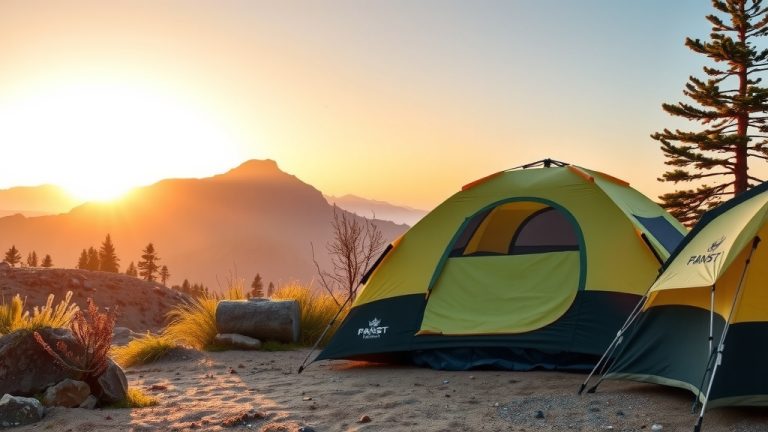
Single Layer vs Double Layer Tent: Which Is Best for You
When choosing your next tent, understanding the difference between single-layer and double-layer designs is key to staying comfortable and dry. A double-layer tent is generally the better choice for most campers because it offers superior condensation control and weather protection, thanks to its inner tent and outer rainfly system. Single-layer tents, while lighter, can struggle with moisture buildup.
Think of it this way: the inner tent of a double-layer setup is your cozy sleeping space, and the outer rainfly is your shield against the elements. This separation is what makes a big difference in your camping experience. We found that this design is crucial for keeping you dry and preventing that clammy feeling inside your tent, especially on damp mornings or during unexpected drizzles. Many campers agree that the extra weight is often worth the improved comfort.
- Double-layer tents are better for managing condensation.
- They provide superior protection from rain and wind.
- Single-layer tents are lighter but can get damp inside.
- Choose based on your camping conditions and priorities.
Let’s break down exactly what makes each type unique and help you figure out which one is your perfect camping companion. We’ll look at weight, weather resistance, and more.
“`htmlChoosing Your Tent: Single Layer vs. Double Layer Designs
When you’re picking out a tent, the main difference you’ll encounter is its construction: single-layer or double-layer. This choice impacts how comfortable you’ll be, especially when the weather isn’t cooperating. We’ve found that understanding these two types can seriously upgrade your camping experience.
Think of it like choosing between a single-pane window and a double-pane one for your house. The double-pane offers better insulation and keeps the elements out more effectively. Tents work in a similar way. Let’s dive into what makes each type tick.
Understanding the Double-Layer Tent Design
A double-layer tent is the most common type you’ll see. It’s built with two distinct parts: an inner tent and an outer rainfly. This setup is designed to keep you dry and comfortable in a variety of conditions. Many campers prefer this for its versatility.
The Inner Tent: Your Cozy Sleeping Pod
The inner tent is usually made of breathable fabric, like mesh or nylon. It’s where you’ll sleep and store your gear. The mesh panels are great for ventilation, allowing fresh air to circulate. This helps prevent that stuffy feeling inside. Research shows good airflow is key to comfort.
The Outer Rainfly: Your Shield Against the Elements
This is the waterproof or highly water-resistant layer that goes over the inner tent. Its job is to block rain, snow, and wind. The rainfly often has vents to help with air circulation. It creates a space between itself and the inner tent, which is super important for managing condensation.
How Double-Layer Tents Tackle Condensation
Condensation is that annoying moisture that forms inside a tent. It happens when warm, moist air from your breath and body hits the cooler tent fabric. In a double-layer tent, the inner tent breathes, letting some moisture escape. The outer rainfly then catches any water that might form and directs it away. We found this separation is a major advantage for staying dry. Experts suggest this design can significantly reduce interior moisture (CDC).
Weather Protection: The Double-Layer Advantage
When it rains, that waterproof rainfly is your best friend. It keeps the water out completely. The gap between the inner and outer layers also means less chance of water seeping through. Strong winds are also handled better. The rainfly can be staked out tightly, creating a more stable structure. This setup offers For challenging conditions, our guide to the best backpacking tent for bad weather offers superior protection.superior protection from the elements.
Exploring the Single-Layer Tent Design
A single-layer tent is simpler. It has just one fabric wall. This fabric is designed to be both waterproof and breathable. These tents are often chosen for their lightweight nature and quick setup.
The All-in-One Design
Instead of two separate layers, everything is combined into one. This might sound efficient, and it can be for certain types of camping. The single fabric is treated to repel water while still allowing some air to pass through. It’s a balance of features in a single piece of material.
Weight and Simplicity: The Big Draw
The main selling point for single-layer tents is their weight. By having only one layer of fabric, they are naturally lighter than their double-layer counterparts. This makes them very appealing for backpackers and thru-hikers who need to save every ounce. Setup is also usually very straightforward, often just a few poles and stakes. For backpackers, weight is king, and our guide to camping tent vs backpacking tent explains the differences.
Condensation Challenges in Single-Layer Tents
Here’s where single-layer tents can struggle. While the fabric is designed to be breathable, it can still trap moisture inside, especially in humid or cold conditions. All the moisture from your breathing and any damp gear is hitting the same surface. We found that if there isn’t enough ventilation, condensation can build up quickly. This can leave your sleeping bag and clothes feeling damp. Some experts note that aggressive ventilation is key to managing this (NIH).
Weather Resistance: A Compromise?
Single-layer tents can be waterproof, but they might not offer the same level of protection as a robust double-layer rainfly in heavy downpours or high winds. The single fabric layer is doing all the work. If the fabric gets saturated, water can eventually find its way through, or condensation might become a bigger issue. They perform best in fair weather conditions.
Key Differences: A Quick Comparison
Let’s lay out the main distinctions so you can see them clearly. We’ve put together a table to help you compare the most important factors. This should make your decision a little easier.
| Feature | Single-Layer Tent | Double-Layer Tent |
|---|---|---|
| Weight | Generally lighter | Typically heavier due to two layers |
| Condensation Control | Can struggle; relies heavily on ventilation | Excellent; separation of layers helps manage moisture |
| Weather Protection | Good, but can be compromised in heavy rain/wind | Superior in rain and wind |
| Setup Time | Often faster and simpler | Can be slightly more complex |
| Durability | Varies widely by material | Varies widely by material |
Making the Right Choice for Your Camping Style
So, which type of tent is right for you? It really depends on where you plan to camp and what your priorities are. We found that thinking about these points can guide your decision.
Consider Your Climate and Conditions
If you often camp in areas with high humidity, frequent rain, or cooler temperatures where condensation is a big issue, a double-layer tent is likely your best bet. They are built to handle these challenges. If you’re mostly camping in dry, warm climates with minimal chance of rain, a single-layer tent might be perfectly adequate.
Think About Weight and Portability
For backpackers, weight is king. If you’re hiking long distances and every ounce counts, a single-layer tent might win out. You gain portability, but you might need to be more mindful of ventilation to manage moisture. If you’re car camping or don’t mind a bit of extra weight, the benefits of a double-layer tent usually outweigh the burden.
Prioritize Comfort vs. Simplicity
Are you okay with potentially waking up to a slightly damp tent if it means saving weight? Or do you prefer the peace of mind that comes with superior weather protection and less condensation? Many experienced campers find the extra comfort of a double-layer tent well worth the trade-off in weight and setup.
Quick Checklist for Your Tent Decision
- Where will you be camping most often?
- What kind of weather should you expect?
- How important is minimizing weight for your trips?
- Do you mind dealing with potential condensation?
- Is quick setup a top priority?
- What’s your budget for a new tent?
Conclusion
Choosing between a single-layer and double-layer tent really comes down to your personal camping style and the environments you’ll explore. We found that double-layer tents offer superior moisture management and weather protection, making them a reliable choice for most conditions. If you’re seeking the lightest gear and prioritize speed for long treks, a single-layer tent might suit you, but be prepared for careful ventilation. Think about your typical trips and what you value most: dryness and comfort, or minimalist weight and simplicity. Your next adventure awaits, so make an informed choice for a more enjoyable time outdoors!
Frequently Asked Questions
Are single-layer tents always less waterproof than double-layer tents?
Not necessarily. Both types can be waterproof, but a double-layer tent’s waterproof rainfly provides an extra barrier. We found single-layer tents rely heavily on their material treatment and ventilation to prevent leaks and internal condensation.
Which type of tent is better for hot, humid weather?
Double-layer tents are generally better for hot, humid weather. The gap between the inner and outer layers allows for much better airflow, helping to reduce that sticky, damp feeling. Good ventilation is key, and double-layer designs excel at it.
Can I use a single-layer tent in the winter?
You can, but it might be challenging. In cold weather, condensation freezes on the inside, and a single-layer tent can struggle to vent that moisture effectively. Double-layer tents often handle winter conditions more comfortably by managing internal moisture better.
Are single-layer tents easier to set up?
Often, yes. Single-layer tents typically have fewer components and a more straightforward design, leading to quicker setup. Double-layer tents can sometimes involve more poles and staking out separate rainflies, which might take a little longer.
Which tent type is best for car camping versus backpacking?
For car camping, the slight extra weight of a double-layer tent is usually not an issue, and its comfort benefits are ideal. For backpacking, where every ounce counts, a single-layer tent’s lighter weight is a significant advantage, provided you manage condensation.
![7 Best Air Tent For Camping [2026]](https://leonardhomeoutdoor.com/wp-content/uploads/2026/07/7-best-air-tent-for-camping-2026-featured-768x432.jpg)
![7 Best Air Conditioner For Grow Tent [2026]](https://leonardhomeoutdoor.com/wp-content/uploads/2026/07/7-best-air-conditioner-for-grow-tent-2026-featured-768x432.jpg)

![7 Best Tent For Backyard Camping [2026]](https://leonardhomeoutdoor.com/wp-content/uploads/2026/09/7-best-tent-for-backyard-camping-2026-featured-768x432.jpg)
![7 Best Car Top Tent [2026]](https://leonardhomeoutdoor.com/wp-content/uploads/2026/08/7-best-car-top-tent-2026-featured-768x432.jpg)