
SUV Tent vs. Regular Tent: Which Camping Setup Wins
Choosing between an SUV tent and a regular tent depends on your camping style. An SUV tent is generally the better choice for convenience and space if you’re camping with your vehicle, as it attaches directly to your SUV. Regular tents offer more flexibility for dispersed camping where vehicles aren’t always nearby.
While both keep you protected from the elements, they serve different needs. An SUV tent leverages your vehicle for a quicker setup and a more connected experience. A traditional tent provides a self-contained shelter, making it ideal for hiking-in sites or when you want a clear separation from your car.
- SUV tents attach to your vehicle for easy setup and extra space.
- Regular tents are standalone and good for any campsite.
- Consider your camping location and vehicle access.
- Think about how much space you truly need.
Let’s break down what makes each tent type unique and help you pick the perfect one for your next adventure.
Comparing SUV Tents and Traditional Shelters
When you’re planning your next camping trip, deciding on the right shelter is key. You’ve likely seen those cool tents that attach right to your SUV. They look convenient! Then there are the classic tents you’ve probably used for years. So, what’s the real difference? Let’s dive into how an SUV tent stacks up against a regular tent.
What Exactly is an SUV Tent?
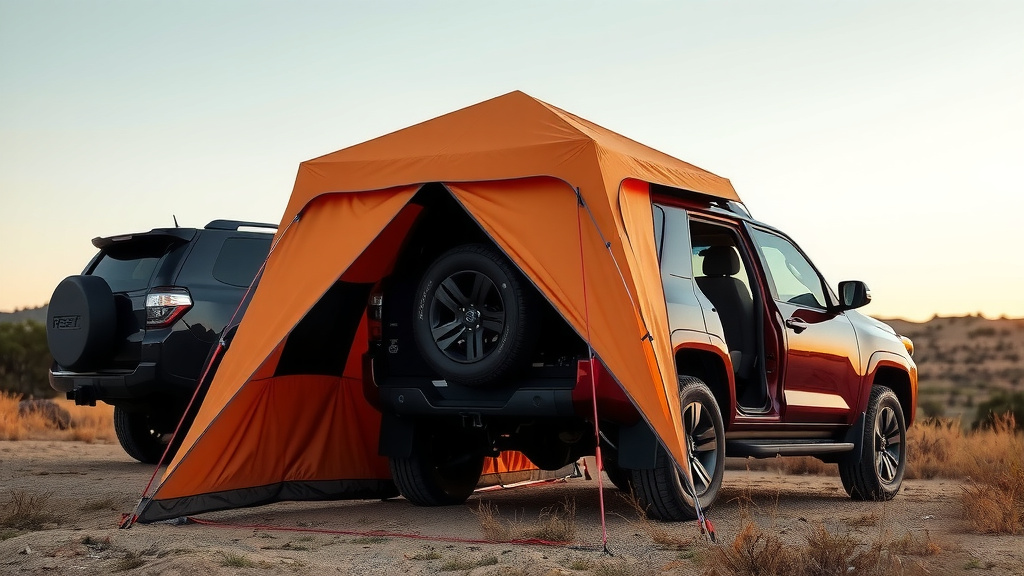
An SUV tent, sometimes called a vehicle-specific tent or car camping tent, is designed to connect directly to the back of your sport utility vehicle. It essentially extends your living space right from your car. Think of it as adding a whole extra room onto your vehicle. This setup often utilizes the cargo area of your SUV as part of the sleeping or living space.
How They Work
These tents typically have a flap or sleeve that slides over the open rear hatch of your SUV. Once secured, it creates a weatherproof seal. This connection means you can often access your vehicle from inside the tent. No more running out in the rain to grab something from your car! Many models include features like awnings for extra shade and bug-free mesh windows.
What is a Regular Tent?
A regular tent, also known as a freestanding tent or traditional tent, is a self-contained shelter. It doesn’t rely on any vehicle for support. You can set it up virtually anywhere, whether you’re car camping or hiking to a remote site. These come in all shapes and sizes, from small one-person backpacking tents to large family cabin tents.
Versatility and Independence
The beauty of a regular tent is its independence. You can pitch it on a designated campsite, deep in the backcountry, or even in your backyard for a fun night. It stands on its own using poles, stakes, and guylines. This makes them incredibly versatile for various camping scenarios.
Key Differences: Space, Setup, and Location
While both tent types offer shelter, their fundamental designs lead to distinct advantages and disadvantages. Understanding these core differences will help you pick the right one for your adventures.
Space and Comfort Considerations
SUV tents often provide a surprising amount of living space. Because they connect to your vehicle, the combined area can feel quite large. You might have a sleeping area and a separate “room” under your hatch. This is great for families or groups who like to spread out. It also means you can keep gear inside your car, easily accessible, while still having a comfortable place to relax.
Regular tents vary greatly in size. A small backpacking tent is meant for just one or two people and minimal gear. Larger family tents can accommodate many people and offer separate rooms. However, even large regular tents might not feel as expansive as an SUV tent when you consider the seamless integration with your vehicle’s cargo space.
Ease of Setup and Takedown
When it comes to setup, SUV tents have a unique advantage. If your SUV is parked where you want to camp, the setup is often quicker. You just open your hatch and attach the tent sleeve. Many find this process faster than wrestling with poles and stakes for a traditional tent. Some people report that the takedown can also be simpler, as you detach the tent from the car first.
Setting up a regular tent can sometimes be a learning curve. While many modern tents are designed for easy setup, it still involves pitching poles, staking it out, and sometimes managing guylines. The time it takes can depend on the tent’s complexity and your experience. However, once set up, they are fully independent shelters.
Where You Can Camp
This is where the biggest distinction lies. SUV tents are ideal for car camping. This means you drive your vehicle directly to your campsite. They are perfect for campgrounds with designated spots or for areas where you can park right next to your tent. If you plan on hiking a mile or more to your campsite, an SUV tent won’t be practical.
Regular tents offer much more freedom in terms of location. If you’re going backpacking, you’ll need a lightweight, packable regular tent. If you’re visiting a national park and the only available site is a short walk from the parking lot, a regular tent is your best bet. They are also great for primitive or dispersed camping spots where you might not be able to park directly next to your shelter.
Choosing the Right Tent for You
To help you make the best choice, consider these factors. Think about your typical camping trips and what you need most from your shelter.
Consider Your Camping Style
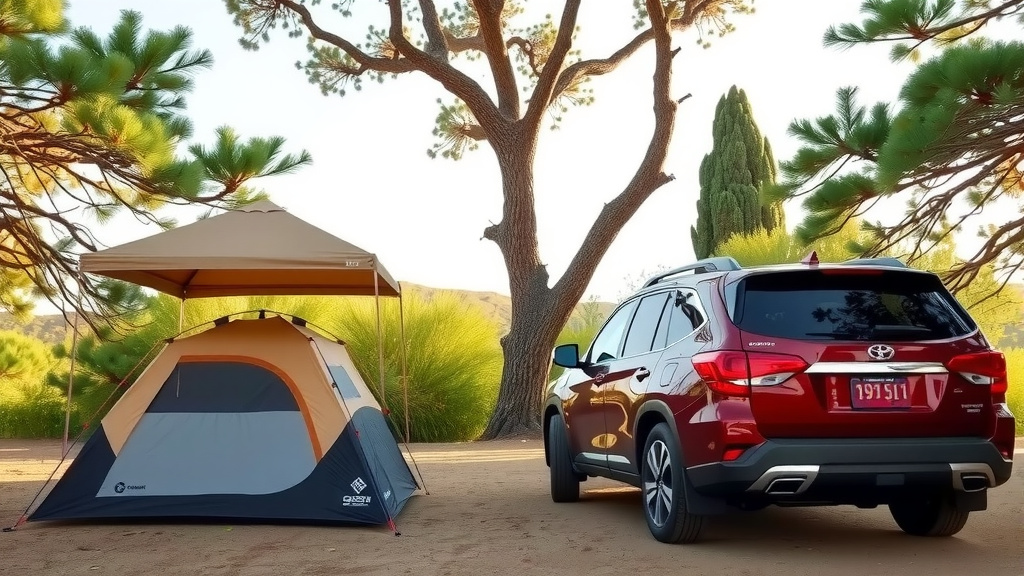
Are you usually driving to a campground and parking right at your site? If yes, an SUV tent might be a fantastic option. Do you enjoy venturing off the beaten path, hiking to remote lakes, or exploring areas where parking is limited? A regular tent will serve you better in those situations.
How Many People and How Much Gear?
If you’re camping solo or with just one other person and don’t bring much gear, a small regular tent is likely all you need. For families or groups, or if you like to bring along comfortable chairs, cooking equipment, and other amenities, the extra space an SUV tent provides can be a real game-changer. Many experts suggest considering sleeping space and then adding at least 25% more room for gear and movement (National Park Service guidelines).
Weather Preparedness
Both types of tents are designed to protect you from the elements. However, the way they integrate with your vehicle gives SUV tents an edge in certain scenarios. For example, if a storm rolls in, you can quickly retreat into your vehicle from the attached tent without getting completely soaked. Regular tents offer excellent protection too, but the access to your car isn’t as immediate.
Budget and Durability
Prices can vary widely for both SUV tents and regular tents. You can find very affordable basic tents and high-end, feature-rich options in both categories. We found that durability often correlates with price, but good care and maintenance are essential for longevity with any tent. Always check reviews for insights into how well a tent holds up over time.
Checklist for Your Decision
- Do you primarily car camp at designated sites?
- Do you have an SUV or vehicle that an SUV tent can attach to?
- How much living and sleeping space do you typically need?
- Do you often hike into your campsites?
- Do you prefer the convenience of direct vehicle access from your shelter?
- What’s your budget for a new tent?
Conclusion
Ultimately, your choice between an SUV tent and a regular tent boils down to your planned adventures. If you love car camping at established sites and want the convenience of extra space connected to your vehicle, an SUV tent is likely your best bet. For those who crave versatility, hike to remote locations, or simply prefer a freestanding shelter, a traditional tent offers unmatched freedom. We found that considering your typical camping style, group size, and desired location is the best way to decide. Now, think about your next trip and pick the shelter that will make it even more enjoyable!
Frequently Asked Questions
Can I use an SUV tent if I don’t have an SUV?
Yes, you can often use an SUV tent with other vehicles like minivans or station wagons. The key is that your vehicle needs a rear hatch that opens upwards. You’ll want to check the specific tent’s compatibility with your vehicle’s dimensions for the best fit.
Are SUV tents difficult to set up in windy conditions?
SUV tents can be a bit trickier in high winds due to their size and attachment to the vehicle. It’s helpful to have a second person assist during setup. Many models include robust guylines and stakes to help secure them firmly against the wind.
How do I choose the right size regular tent for my needs?
Consider the maximum number of people who will sleep in the tent and the amount of gear you’ll store inside. It’s often recommended to choose a tent rated for one or two more people than you typically have for extra comfort and gear space.
Can I leave my SUV tent attached to my vehicle overnight?
Yes, most SUV tents are designed to be left attached to your vehicle for the duration of your stay. This offers great convenience, allowing you to hop into your car for supplies or a quick escape from weather without fully detaching the tent.
What happens if it rains heavily while I’m using an SUV tent?
SUV tents are built to be waterproof and should keep you dry. The seal between the tent and your vehicle is designed to prevent leaks. You can easily duck into your car from the tent if the rain becomes severe.
![7 Person Tent 2025 [2026]](https://leonardhomeoutdoor.com/wp-content/uploads/2026/08/7-person-tent-2025-2026-featured-768x432.jpg)
![7 Best Budget Inflatable Tent [2026]](https://leonardhomeoutdoor.com/wp-content/uploads/2026/08/7-best-budget-inflatable-tent-2026-featured-768x432.jpg)
![7 Best Tailgating Tent [2026]](https://leonardhomeoutdoor.com/wp-content/uploads/2026/09/7-best-tailgating-tent-2026-featured-768x432.jpg)
![7 Best Beach Tent [2026]](https://leonardhomeoutdoor.com/wp-content/uploads/2026/06/7-best-beach-tent-2026-featured-768x432.jpg)