
Tarp Tent vs Tent: Which is Right for Your Camping?
When choosing between a tarp tent and a traditional tent, the key difference lies in **simplicity and weight**. A tarp tent offers a more minimalist shelter, perfect for experienced backpackers who prioritize **lightness and versatility**. A traditional tent provides more enclosed protection and is generally easier for beginners to set up. For those prioritizing weight savings, a trekking pole tent offers a unique setup.
While both offer shelter from the elements, they cater to different camping styles. A tarp tent might require more skill to pitch effectively. You’ll want to consider your **backpacking experience** and the conditions you expect. Many find the added features of a traditional tent worth the extra weight for comfort and ease.
- Tarp tents are lighter and simpler for experienced campers.
- Traditional tents offer more protection and are easier for beginners.
- Consider your skill level and expected weather.
- Both can provide excellent shelter when used correctly.
We’ve researched both options to help you decide which is the better fit for your next adventure. Let’s break down what makes each one unique.
Tarp Shelters vs. Traditional Tents: Which Is Right for You?
Deciding between a tarp shelter and a tent involves understanding your camping priorities. Think of it like choosing between a minimalist sports car and a comfortable SUV. Both get you to your destination, but they offer different experiences. We’ve looked into what makes each option unique so you can make the best choice for your adventures.
Understanding the Core Differences
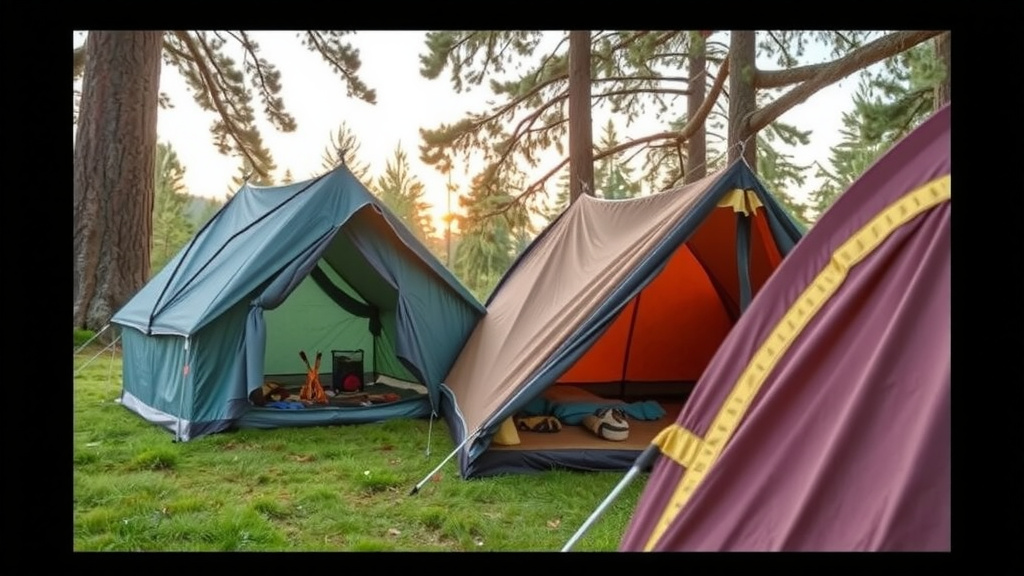
The biggest difference comes down to design and purpose. A traditional tent is a self-contained unit. It has poles, a floor, and often a rainfly. It’s built to be a complete shelter. A tarp shelter, on the other hand, is much simpler. It’s essentially a large sheet of waterproof material. You use stakes and cordage to pitch it in various configurations.
What is a Tarp Tent?
A tarp tent is often a hybrid. It might be a large tarp with some added features, like built-in tie-outs or even a bathtub-style floor. But it still relies heavily on your ability to pitch it creatively. Some people use just a tarp and call it a day. Others might add a separate bug net for more protection. The key here is **versatility**. You can set up a tarp shelter in many ways.
What is a Traditional Tent?
A traditional tent is what most people picture when they think of camping. It usually comes as a package with poles and a fly. You put the poles together, attach the tent body, and then drape the rainfly over it. Many offer **freestanding designs**, meaning they can stand on their own without being staked out. This makes setup quite straightforward.
Weight and Packability: The Backpacking Edge
When you’re carrying everything on your back, weight is a big deal. Tarp shelters generally win this category. They are often made from lightweight materials. You’re carrying less bulk. A simple tarp can weigh less than a pound. Add some cordage and stakes, and you’re still usually lighter than a tent. Many backpackers love this for long treks.
Traditional tents, especially those designed for car camping, can be heavy. Backpacking tents are lighter, but they still have more components. Poles, the tent body, and the rainfly add up. Even ultralight tents can be heavier than a comparable tarp setup. If you’re counting every ounce, a tarp shelter system is often the way to go.
Ease of Setup: Beginner-Friendly vs. Skill-Based
This is where traditional tents often shine for beginners. They are designed for simplicity. You follow a few steps, and you have a tent. Many come with color-coded poles and clips. You can set them up even in the dark or bad weather. This is a big plus when you’re tired after a long day.
Setting up a tarp shelter requires more practice. You need to understand knots and how to tension guy lines. There are many ways to pitch a tarp, each offering different levels of protection. Learning these techniques takes time and experimentation. It’s like learning to tie a good fishing knot; it takes a few tries. You might get rained on during your first few attempts!
Tarp Pitching Techniques
You can pitch a tarp in a lean-to style, a-frame, or even a more elaborate pyramid shape. Each style offers different benefits. A lean-to is great for quick shelter from wind and rain from one direction. An a-frame offers better all-around protection. The best pitch depends on the weather and the terrain.
Tent Setup Convenience
With a tent, you often have a system. Unpack poles, insert them into sleeves or attach them to clips, and then attach the rainfly. For many, this predictability is a huge relief. You know what you’re getting, and it’s usually pretty quick once you’ve done it a few times. Freestanding tents don’t even need stakes to hold their shape.
Protection from the Elements: A Closer Look
When it comes to staying dry and protected, both can do a good job. However, the design matters. Traditional tents typically have a full coverage rainfly. This fly often extends close to the ground. It’s designed to keep rain and wind out effectively. The floor is also a key component, keeping you off wet ground.
A tarp shelter’s protection depends heavily on how you pitch it. A well-pitched tarp can offer excellent rain protection. But there are usually gaps. You might get some wind or rain blowing in, especially at the bottom. And, of course, a basic tarp doesn’t have a floor. You’ll need a ground cloth or a bivy sack to keep dry from below. Some specialized tarp tents include a floor, bridging this gap.
Bug Protection: A Key Consideration
Bugs can make or break a camping trip. Traditional tents usually have built-in mesh panels. These keep mosquitoes, flies, and other creepy crawlies out while allowing ventilation. Many also have zippered doors that seal well. This is a major advantage in buggy areas.
A basic tarp offers zero bug protection. You’ll definitely need to pair it with something else. A bug net is often used. Some people use a bivy sack, which is a waterproof/breathable cover for your sleeping bag. You can also get specialized tarp tents with integrated bug netting. Without these additions, camping in a buggy environment with just a tarp can be miserable.
Cost Comparison: What to Expect
The cost can vary widely for both. A very basic tarp can be quite inexpensive. However, high-quality, ultralight tarps can be quite pricey. Traditional tents also range from budget-friendly options to high-end, ultralight backpacking models. You can often find a decent, basic tent for a reasonable price. Specialized tarp tent systems designed for ultralight backpacking can sometimes cost as much as, or more than, a good tent.
Making Your Choice: A Quick Checklist
To help you decide, ask yourself these questions:
- How important is minimizing weight?
- Do you prioritize ease of setup, especially in challenging conditions?
- Are you comfortable with learning new pitching techniques?
- How important is bug protection to your comfort?
- What kind of weather do you typically camp in?
- What is your budget for new gear?
| Feature | Tarp Tent | Traditional Tent |
|---|---|---|
| Weight | Generally lighter | Heavier, especially non-backpacking models |
| Setup Ease | Requires skill and practice | Generally easier, especially for beginners |
| Bug Protection | None without add-ons | Typically built-in mesh |
| Versatility | High – many pitching options | Limited to designed shape |
| Cost | Can be cheap or expensive | Wide range, many affordable options |
| Floor Protection | Usually none, needs ground cloth/bivy | Built-in bathtub floor |
Ultimately, the best choice depends on your personal adventure style. If you love the idea of a simple, lightweight setup and enjoy tinkering with your gear, a tarp shelter might be perfect. If you prefer straightforward setup and guaranteed protection from bugs and the elements, a traditional tent is likely the better fit. Many experienced campers find they eventually use both!
Conclusion
You’ve learned that both tarp tents and traditional tents offer unique benefits for your outdoor adventures. If you prioritize minimal weight and enjoy the challenge of creative setups, a tarp shelter system might be your perfect companion. Its versatility is unmatched for experienced trekkers. On the other hand, if you value straightforward setup, reliable bug protection, and a bit more enclosed comfort, a traditional tent is likely the better choice, especially if you’re newer to camping. Your ideal shelter boils down to your personal priorities and camping style. Consider your planned trips and gear preferences, and you’ll find the shelter that suits you best.
Frequently Asked Questions
Can I use a tarp tent in the rain without a separate floor?
A basic tarp tent typically doesn’t include a floor. You’ll need to bring a ground cloth or a bivy sack to keep your sleeping area dry and off the wet ground. Some specialized tarp tent models do come with integrated floors, so check the product details carefully.
Are tarp tents really lighter than backpacking tents?
Yes, tarp tents are generally lighter than most traditional backpacking tents. They consist of fewer components, and the primary material is often a lightweight waterproof fabric. This weight savings can be significant for long-distance hikers and backpackers who count every ounce.
Is it difficult to set up a tarp tent in windy or rainy conditions?
Setting up a tarp tent can be more challenging in adverse weather, especially for beginners. It requires practice with knots and tensioning guy lines to create a stable pitch. Traditional tents, particularly freestanding ones, often offer an easier setup experience when the weather is poor.
How much bug protection do I get with a basic tarp?
A basic tarp offers no bug protection at all. You will be exposed to mosquitoes, flies, and other insects. To camp comfortably in buggy areas with a tarp, you’ll need to use additional gear like a bug net, a bivy sack, or choose a tarp tent model with built-in netting.
Can I use a tarp tent for car camping, or is it only for backpacking?
While tarp tents are a favorite for backpacking due to their low weight, you can certainly use them for car camping if you prefer a minimalist setup. However, if you’re car camping and weight isn’t a major concern, a traditional tent might offer more space and comfort for extended stays.
![7 Best Easy Pop Up Tent [2026]](https://leonardhomeoutdoor.com/wp-content/uploads/2026/08/7-best-easy-pop-up-tent-2026-featured-768x432.jpg)
![7 Person Tent For Camping [2026]](https://leonardhomeoutdoor.com/wp-content/uploads/2026/08/7-person-tent-for-camping-2026-featured-768x432.jpg)
![7 Best Affordable Camping Tent [2026]](https://leonardhomeoutdoor.com/wp-content/uploads/2026/06/7-best-affordable-camping-tent-2026-featured-768x432.jpg)
![7 Best Product To Waterproof Tent [2026]](https://leonardhomeoutdoor.com/wp-content/uploads/2026/09/7-best-product-to-waterproof-tent-2026-featured-768x432.jpg)
![7 Best Tailgating Canopy Tents For Shade And Shelter [2026]](https://leonardhomeoutdoor.com/wp-content/uploads/2026/09/7-best-tailgating-canopy-tents-for-shade-and-shelter-2026-featured-768x432.jpg)