
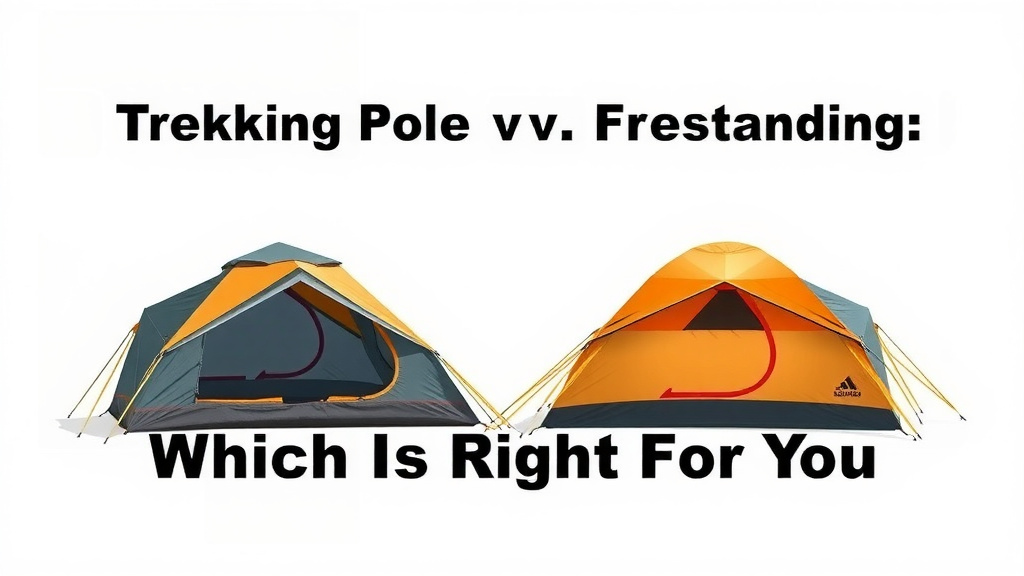
Trekking Pole Tent vs Freestanding: Which Is Right For You
Choosing between a trekking pole tent and a freestanding tent depends on your priorities: weight and packability versus ease of setup and versatility. Trekking pole tents are generally lighter and pack down smaller, making them ideal for backpackers focused on minimizing their load. Freestanding tents offer more convenience and can be pitched almost anywhere without stakes.
Both tent types aim to keep you dry and comfortable outdoors. However, their structural designs lead to distinct advantages. A trekking pole tent relies on your hiking poles for support, which is a clever way to save weight. A freestanding tent, on the other hand, has its own poles and can stand on its own, which is a big plus when camping on rocky or sandy ground where staking is difficult.
- Trekking pole tents are lighter and more compact.
- Freestanding tents are easier to set up anywhere.
- Trekking pole tents require hiking poles to pitch.
- Freestanding tents are often more spacious.
- Your camping style should guide your choice.
Below, we’ll break down the pros and cons of each to help you decide which type of tent is best for your next adventure.
Choosing Your Shelter: Trekking Pole Tents vs. Freestanding Designs
When you’re gearing up for your next outdoor trip, the kind of tent you choose can make a big difference. We’re going to compare two popular styles: the trekking pole tent and the freestanding tent. Each has its own strengths, and knowing them can help you pick the perfect shelter for your needs. Let’s dive into what makes them tick.
What is a Trekking Pole Tent?
A trekking pole tent is a shelter that uses your hiking poles for its structure. Instead of dedicated tent poles, you set it up by inserting your trekking poles into specific sleeves or attachment points. This design means the tent is incredibly lightweight. You’re essentially using gear you’re already carrying to pitch your tent. Many backpackers love this for long-distance treks where every ounce counts.
How They Work and Why They Save Weight
Think of your trekking poles as the tent’s bones. You stake out the corners and guylines, and then your poles provide the height and tension to keep the tent upright. This clever system eliminates the need for separate, often heavy, aluminum or fiberglass poles. Because the poles are integrated into your hiking gear, you cut down on the total weight you need to carry. This is a huge win for ultralight backpackers.
Pros of Trekking Pole Tents
- Weight Savings: This is their biggest advantage. If you already use trekking poles, you’re not adding extra weight for tent poles.
- Compact Packability: These tents often pack down very small, making them easy to fit into a backpack.
- Good Ventilation: Many designs offer excellent airflow, which can be a lifesaver on warm nights.
- Often More Affordable: Because they use fewer materials, they can sometimes be less expensive than freestanding models.
Cons of Trekking Pole Tents
- Requires Trekking Poles: If you don’t use trekking poles, this type of tent isn’t for you. You’ll need to buy them separately.
- Setup Can Be Tricky: Pitching them can take a little practice, especially in windy conditions. You need to get the tension just right.
- Limited Pitching Locations: You need firm ground for staking. Rocky terrain or hard-packed sand can make setup difficult.
- Potentially Less Durable: Because they rely on tension, extreme weather might put more stress on the fabric and guylines.
What is a Freestanding Tent?
A freestanding tent is the type most people picture when they think of camping. It has its own built-in pole system. These poles create the tent’s structure, allowing it to stand up on its own even without being staked down. You can lift it, move it around, and set it up almost anywhere. This makes them super convenient for a wide range of camping scenarios.
The Convenience of Self-Support
The magic of a freestanding tent is its independence. The poles are typically connected by shock cords, making them easy to assemble. Once the poles are in place, the tent pops into shape. You can then stake it out for stability and wind resistance, but it will hold its form even if you skip some stakes. This self-supporting design is incredibly user-friendly.
Pros of Freestanding Tents
- Easy Setup: They are generally very simple and quick to set up, even for beginners.
- Versatile Pitching: You can set them up on almost any surface – grass, dirt, sand, or even a hard tent pad.
- Sturdy in Wind: When properly staked, they tend to be very stable and can handle moderate winds well.
- More Interior Space: Many freestanding models offer more headroom and usable floor space due to their pole structure.
- Easy to Move: You can reposition them before staking them down to find the best spot.
Cons of Freestanding Tents
- Heavier Weight: The integrated pole system adds extra weight compared to trekking pole tents.
- Bulkier Pack Size: They can be larger and take up more space in your backpack.
- Can Be More Expensive: The more complex pole structures and materials can drive up the cost.
- Not Ideal for Minimalists: If your goal is absolute minimum weight, they might not be your first choice.
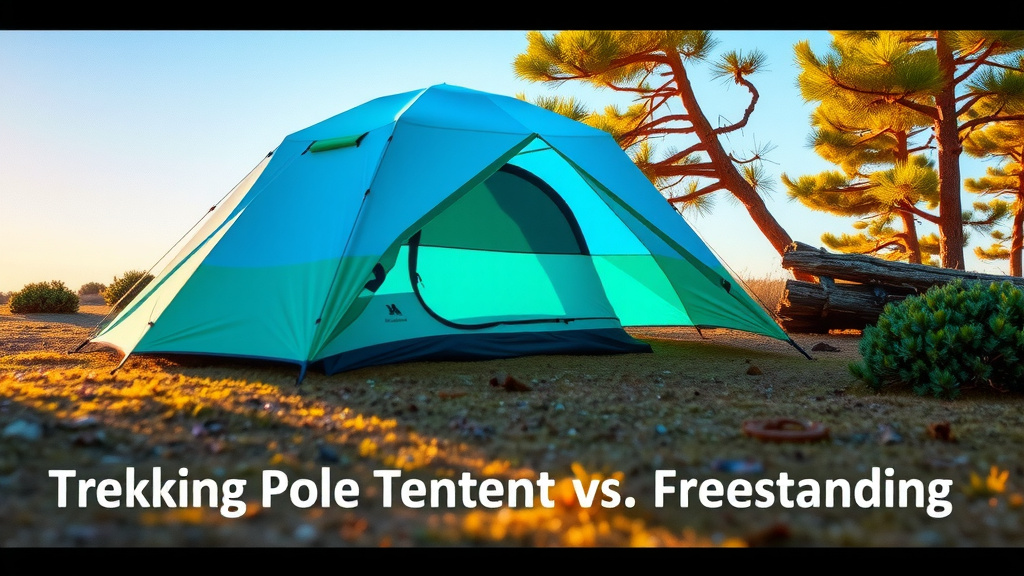
Key Differences at a Glance
To help you visualize the comparison, let’s look at some key features side-by-side. Think about what matters most for your typical trip.
| Feature | Trekking Pole Tent | Freestanding Tent |
|---|---|---|
| Setup Simplicity | Can require practice; needs firm ground. | Very easy; works on most surfaces. |
| Weight | Generally lighter. | Generally heavier due to poles. |
| Packability | Packs down smaller. | Can be bulkier. |
| Support System | Relies on hiking poles. | Built-in pole structure. |
| Pitching Versatility | Needs staking; challenging on rock/sand. | Can stand alone; stake optional for stability. |
| Cost | Often more budget-friendly. | Can be more expensive. |
Making the Right Choice for Your Adventures
So, which one should you choose? It really comes down to your personal camping style and priorities. Consider these questions:
- Do you already use trekking poles for hiking?
- How important is minimizing the weight of your pack?
- Do you often camp in places where staking is difficult, like rocky deserts or sandy beaches?
- How much time do you want to spend setting up your tent?
- Are you looking for the most spacious interior or the most compact option?
The Ultralight Backpacker’s Pick
If you’re all about shedding every possible ounce from your pack for multi-day hikes, a trekking pole tent is likely your best bet. You’re already bringing the poles, so it’s a natural fit. Plus, the reduced weight and bulk can make a huge difference on long, demanding trails. Many research studies on backpacking efficiency highlight weight reduction as a key factor for comfort and endurance (National Park Service).
The Comfort and Convenience Seeker
On the other hand, if ease of use and the ability to set up camp quickly and easily are your top concerns, a freestanding tent is probably the way to go. They are forgiving for beginners and incredibly versatile. You can set them up on a variety of terrains without fuss, which is a big relief after a long day on the trail.
A Quick Checklist for Your Decision
Here’s a simple way to review your needs:
- Weight: Is shaving ounces your main goal? (Trekking Pole Tent)
- Setup Speed: Do you want the quickest pitch possible? (Freestanding Tent)
- Terrain: Will you camp on varied surfaces? (Freestanding Tent)
- Gear You Own: Do you use trekking poles already? (Trekking Pole Tent)
- Pack Space: Is a compact setup essential? (Trekking Pole Tent)
- Beginner Friendliness: Are you new to camping? (Freestanding Tent)
Conclusion
You’ve seen how trekking pole tents and freestanding tents cater to different needs. If shaving weight and maximizing pack space are your top priorities, a trekking pole tent is likely your best companion. You’re already carrying the poles, so it’s a smart choice for serious backpackers. On the flip side, if you value quick setup, versatility across different terrains, and a bit more room, a freestanding tent offers unmatched convenience. Consider your typical trip length, the ground you usually camp on, and how much you want your gear to do the heavy lifting. Think about which type best aligns with your personal camping style to make your next adventure even more enjoyable.
Frequently Asked Questions
Can I use a trekking pole tent if I don’t use trekking poles?
You would need to purchase trekking poles separately to properly set up a trekking pole tent. While this adds to the overall cost and weight, it can still be a lighter option than many freestanding tents if you prioritize a compact setup. Some manufacturers offer lightweight, dedicated poles for their trekking pole tents.
Are freestanding tents always heavier than trekking pole tents?
Generally, yes, freestanding tents tend to be heavier because they include their own integrated pole system. This system provides the structure but adds material weight. However, ultralight freestanding models are becoming more common, blurring the lines, but they often come with a higher price tag.
Which type of tent is better for car camping?
For car camping, weight and packability are usually less of a concern, making a freestanding tent often the preferred choice. Their ease of setup and ability to pitch on almost any surface, like grass or gravel, make them very convenient for setting up a comfortable basecamp.
How durable are trekking pole tents in strong winds?
Trekking pole tents can be very durable in strong winds if pitched correctly with taut guylines. Their design relies on tension, so proper staking and pole placement are key. However, extreme weather might put more stress on the fabric and seams compared to a freestanding tent with a robust internal pole structure.
Can I use a freestanding tent without staking it down?
Yes, the defining feature of a freestanding tent is its ability to stand on its own without stakes. You can pitch it and move it around to find the perfect spot before staking for added stability and wind resistance. This makes them ideal for hard surfaces like rock or sand where staking is difficult.
![7 Person Tents Backpacking [2026]](https://leonardhomeoutdoor.com/wp-content/uploads/2026/08/7-person-tents-backpacking-2026-featured-768x432.jpg)
![7 Best A Frame Tent [2026]](https://leonardhomeoutdoor.com/wp-content/uploads/2026/08/7-best-a-frame-tent-2026-featured-768x432.jpg)
![7 Best Tent For Family Of 6 [2026]](https://leonardhomeoutdoor.com/wp-content/uploads/2026/09/7-best-tent-for-family-of-6-2026-featured-768x432.jpg)
3 Comments