
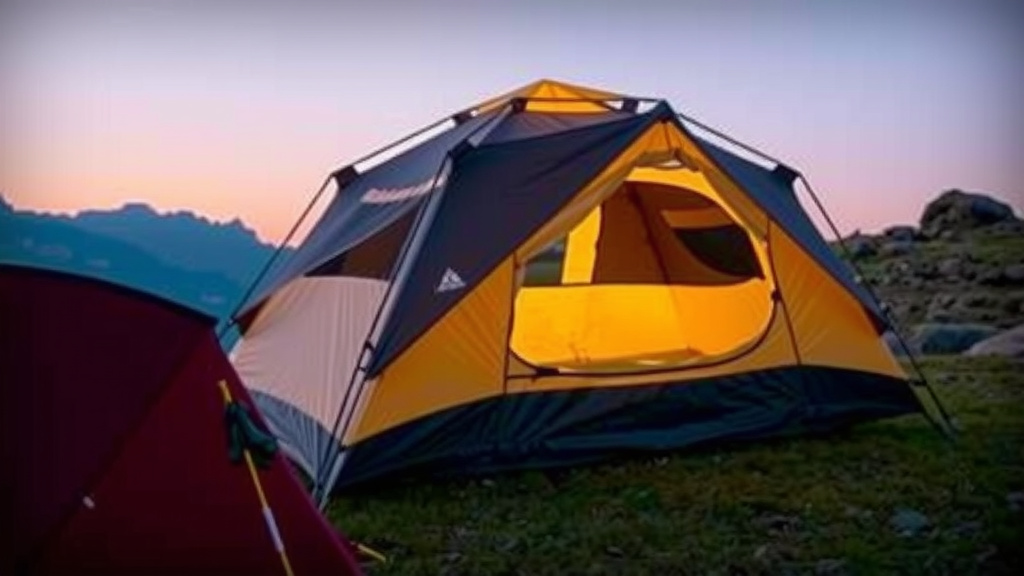
Free Standing vs Trekking Pole Tent: Which is Best
Choosing between a free-standing tent and a trekking pole tent depends on your camping style. Free-standing tents are generally easier to set up and more versatile, while trekking pole tents offer a lighter weight option for backpackers who already carry poles.
Both tent types aim to keep you sheltered and comfortable outdoors. Your final choice will hinge on factors like how you travel, where you plan to camp, and your budget. We found that understanding their core differences is key.
- Free-standing tents: Easy to pitch, versatile.
- Trekking pole tents: Lightweight, ideal for backpackers.
- Consider your camping needs and travel style.
- Weight and setup ease are major deciding factors.
Let’s dive into the specifics of each so you can make the best choice for your next adventure.
Choosing Your Shelter: Free-Standing vs. Trekking Pole Tents
When you’re picking out a new tent, one of the first big decisions is whether to go free-standing or rely on trekking poles. It’s like choosing between a sturdy, ready-to-go cottage and a cleverly built, lightweight yurt. Both get the job done, but they do it in very different ways. Let’s break down which style might fit your camping adventures best.
Understanding Free-Standing Tents
A free-standing tent is the classic choice for many campers. Its name tells you exactly what it does: it stands up on its own without needing to be staked out. This is because its poles create a rigid frame that holds the tent’s shape. Think of it like a pop-up playhouse for kids – it just pops into shape!
The Ease of Setup
One of the biggest wins for free-standing tents is how easy they are to set up. You can typically pitch one in just a few minutes. The pole structure means you don’t need to find perfectly flat ground or worry about getting stakes just right. This is a lifesaver after a long day on the trail or when you’re setting up camp in tricky conditions.
Versatility in Placement
Because they don’t rely on stakes, free-standing tents offer more flexibility in where you can pitch them. You can set them up on rock, sand, or even hard-packed earth where staking might be difficult or impossible. This makes them great for spontaneous stops or camping in varied terrain. You can also move them around easily before fully staking them down.
Durability and Stability
The internal pole structure of a free-standing tent generally makes it quite stable. While you always need to stake them out for wind resistance, the basic shape is held by the poles. Many designs are built to handle moderate weather, providing a secure shelter. We found that many models offer a good balance of strength and livability.
Common Uses for Free-Standing Tents
- Car camping: Perfect for when weight isn’t a primary concern.
- Backpacking with less gear: If you don’t use trekking poles, this is the standard choice.
- Festival camping: Quick setup is a big plus.
- Campsites with challenging ground: Excellent for rocky or sandy areas.
Exploring Trekking Pole Tents
On the other hand, trekking pole tents are designed with ultralight backpackers in mind. Instead of dedicated tent poles, they use your existing trekking poles to create the support structure. This ingenious design shaves off a significant amount of weight, which is a huge benefit when you’re carrying everything on your back.
The Weight Advantage
The most compelling reason to choose a trekking pole tent is its low weight. By eliminating heavy poles, manufacturers can create incredibly light shelters. For thru-hikers or anyone counting ounces, this difference can be monumental. We found that this weight savings can make miles feel a lot easier. Many hikers report feeling much less fatigued on long trips.
Setup: A Skill to Learn
Setting up a trekking pole tent does require a bit more practice than a free-standing model. You’ll need to position your trekking poles correctly, often at specific angles, and then stake out the guy lines. It’s not difficult, but it’s a different skill. Think of it like learning to tie a new knot – a little effort upfront pays off.
Requires Trekking Poles
This is the obvious caveat: you must already own and use trekking poles. If you’re a hiker who prefers to keep your hands free or doesn’t use poles, this type of tent isn’t for you. Your trekking poles become an essential part of your shelter system. Many experts suggest choosing poles that are adjustable in length for optimal tent setup (National Park Service).
Adaptability to Terrain
While they need stakes, trekking pole tents can be quite adaptable. They often have multiple guy-out points, allowing you to tension the fly and body effectively. This can make them very stable in windy conditions once properly pitched. Many designs are also quite versatile, allowing for different pitching configurations.
Common Uses for Trekking Pole Tents
- Ultralight backpacking: The primary use case for weight-conscious hikers.
- Thru-hiking: Essential for long-distance journeys where every ounce matters.
- Fastpacking: When speed and minimal weight are key.
- When already carrying poles: A natural extension of your existing gear.
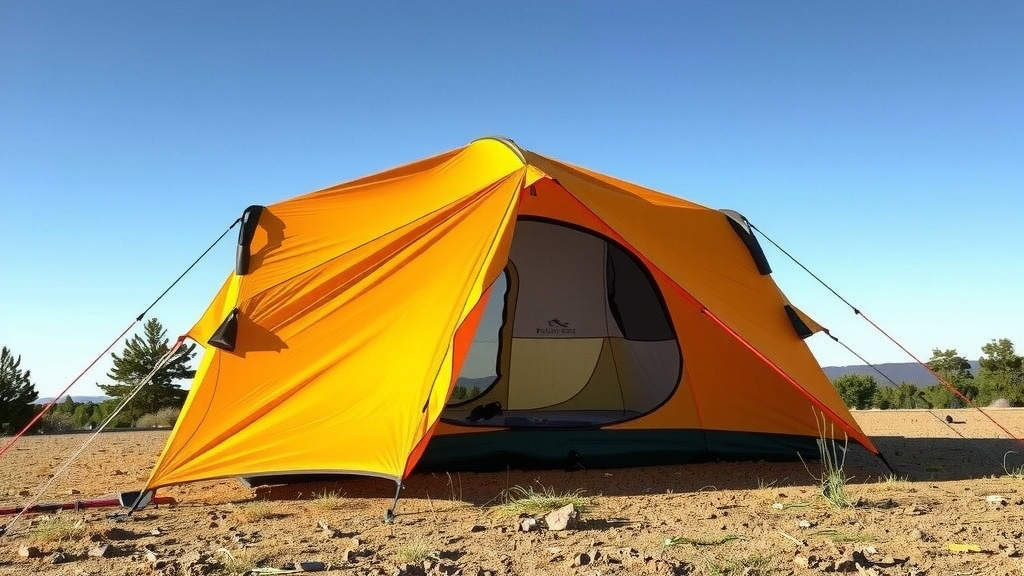
Direct Comparison: Key Differences
Let’s put these two tent types side-by-side to help you see the main distinctions. It’s not about which is “better,” but which is better for you.
| Feature | Free-Standing Tent | Trekking Pole Tent |
|---|---|---|
| Setup Ease | Very easy, stands on its own. | Requires practice; uses trekking poles. |
| Weight | Moderate to heavy. | Very lightweight. |
| Pole System | Integrated poles. | Your trekking poles. |
| Pitching Flexibility | High; can pitch anywhere. | Requires staking and poles. |
| Cost (general) | Wide range, often mid-range. | Often higher due to specialized materials. |
Making Your Decision: What Matters Most?
To pick the right tent, consider these quick questions:
- Do you already use trekking poles?
- How much weight are you willing to carry?
- Where will you typically camp?
- How important is speed and ease of setup?
- What’s your budget for camping gear?
Your answers will point you toward the style that will best serve your adventures. Remember, the goal is a comfortable, safe night under the stars. We found that no matter which you choose, investing in a good tent is investing in your outdoor experiences.
Conclusion
You’ve learned the core differences between free-standing and trekking pole tents. Free-standing models offer unmatched setup ease and pitching versatility, making them great for car camping or rocky sites. Trekking pole tents excel in lightweight performance, ideal for serious backpackers already using poles. Your choice truly hinges on how you hike and camp. Consider your typical terrain, the weight you’re willing to carry, and your comfort level with setup. We found that making this decision thoughtfully means a better experience outdoors. So, think about your next trip and choose the shelter that best fits your adventure style.
Frequently Asked Questions
Can I use a trekking pole tent if I don’t use trekking poles?
No, you cannot. Trekking pole tents are designed to use your trekking poles as their main support structure. If you don’t hike with poles, a free-standing tent is a much better option for you. You would need to purchase trekking poles specifically to use this type of tent.
Which type of tent is better for beginners?
For beginners, a free-standing tent is generally easier to start with. Their self-supporting structure means you can pitch them quickly without a steep learning curve. You can focus on enjoying your camping trip rather than struggling with setup. This ease of use makes them very forgiving.
Are trekking pole tents less stable in wind than free-standing tents?
Not necessarily. While free-standing tents have a rigid frame, trekking pole tents often use multiple guy-out points and a taut pitch to achieve excellent wind resistance. With proper staking and tensioning, many trekking pole tents can be very stable, sometimes even more so than certain free-standing designs.
What is the typical price difference between these tent types?
Generally, high-quality trekking pole tents can be more expensive. This is often due to the specialized lightweight materials and advanced construction needed to minimize weight. Free-standing tents offer a wider price range, with many affordable options available, though premium models can also be costly.
Can I set up a free-standing tent on a hard surface like a wooden deck?
Yes, you can. Because free-standing tents hold their shape using their internal poles, you can easily set them up on surfaces where staking isn’t possible, such as wooden platforms or even indoors. You would just need to secure the base with weights or by using the stake loops as anchors if possible.
![7 Person Tent 2025 [2026]](https://leonardhomeoutdoor.com/wp-content/uploads/2026/08/7-person-tent-2025-2026-featured-768x432.jpg)
![7 Best Budget Rooftop Tent [2026]](https://leonardhomeoutdoor.com/wp-content/uploads/2026/08/7-best-budget-rooftop-tent-2026-featured-768x432.jpg)