Tarp vs Tent Camping: Which Is Right For You
When deciding between a tarp or tent for camping, a tent generally offers better protection and comfort for most campers. Tents are designed for full shelter, keeping out bugs and rain effectively. Tarps are more basic, good for quick shade or light rain if set up carefully.
Choosing the right shelter depends on your trip’s demands. A tent is your best bet for unpredictable weather and bug-filled nights. A tarp shines for minimalists seeking lightweight, open-air shelter in good conditions. We found that both have their place in your camping gear.
- Tents offer better bug and rain protection.
- Tarps are lighter and more versatile for shade.
- Choose a tent for most overnight camping trips.
- Tarps work well for minimalist trips or fair weather.
- Consider your trip’s needs when deciding.
Let’s break down the pros and cons of each so you can pick the best option for your next adventure.
Tarp vs Tent: What’s Your Camping Shelter Style?
So, you’re heading outdoors and need a place to sleep. Should you grab a trusty tent or go minimalist with a tarp? This is a classic camping debate! We’ve found that the best choice really boils down to what kind of trip you’re planning and what you expect from your shelter.
Think of it like this: a tent is your cozy, self-contained cabin. A tarp is more like a flexible, open-air lean-to. Both can keep you dry, but they offer very different experiences. Let’s unpack the pros and cons of each so you can pack smart.
Tent Camping: Your All-Around Shelter Solution
Tents are the go-to for most campers for good reason. They are designed to provide a complete, enclosed space. This means they offer a robust barrier against the elements and unwelcome critters.
Protection from Pests and Weather
One of the biggest draws of a tent is its built-in bug netting. No one likes waking up to discover a spider has joined you in your sleeping bag! Tents keep those creepy crawlies and buzzing pests firmly on the outside. Plus, they offer superior protection from rain, wind, and even dew.
We found that the integrated floor of a tent also keeps you off the damp ground. This is a major comfort upgrade, especially in wet conditions. Many tents are designed with rainflys that extend outwards. This creates a vestibule space. It’s perfect for storing muddy boots or a wet backpack.
Ease of Use and Comfort
Setting up a modern tent is generally straightforward. Most come with color-coded poles and clips. You can often get them pitched in under 10 minutes. Once inside, you have room to sit up, change clothes, and organize your gear. This level of convenience is hard to beat.
Many tents come in various sizes, from solo backpacking models to larger family domes. You can find tents that prioritize lightweight design for hikers or those focused on maximum living space for car camping. We found that the comfort factor is high with tents.
When a Tent Shines Brightest
Tents are ideal for a wide range of camping scenarios. They are excellent for family trips where comfort and space are key. Backpacking trips, especially in areas with lots of insects or unpredictable weather, also benefit greatly from a tent’s protection.
If you’re new to camping, a tent is a fantastic starting point. It provides a forgiving and comfortable introduction to sleeping outdoors. You’ll feel secure and well-protected, letting you focus on enjoying nature.
Tarp Camping: The Minimalist’s Dream
A tarp might seem like just a piece of fabric, but it’s a surprisingly versatile shelter. It’s a favorite among ultralight backpackers and those who love a more rustic, open-air camping experience.
Lightweight and Packable
The most significant advantage of a tarp is its low weight and small packed size. You can stuff a tarp into a small corner of your backpack. This is a huge plus if you’re carrying everything on your back for miles. Tarps typically weigh much less than a full tent system.
For weight-conscious hikers, this can mean the difference between a comfortable trek and a grueling one. We found that many modern tarps use advanced, lightweight materials that are also quite durable.
Versatility in Setup
This is where tarps really show their flexibility. You can pitch a tarp in countless configurations. You can create a simple A-frame, a lean-to, or even a more enclosed “diamond” shape. Your setup depends on the wind direction, rain, and how much protection you need.
You’ll need to bring your own trekking poles, trees, or other supports to set up a tarp. This requires a bit more skill and creativity than pitching a tent. But once you get the hang of it, you can build a shelter tailored to your exact needs. Many campers enjoy the challenge and reward of a creative tarp setup.
When a Tarp is Your Best Friend
Tarps are fantastic for fair-weather camping. If you’re heading out on a warm, dry summer night and bugs aren’t a major concern, a tarp offers a wonderful sense of openness. It’s perfect for stargazing right from your sleeping bag!
They are also a popular choice for emergency shelters or as a secondary rain cover over a picnic area. For experienced minimalists who understand the local weather and insect conditions, a tarp can be all the shelter they need. It’s a great option for those who want to feel more connected to their surroundings.
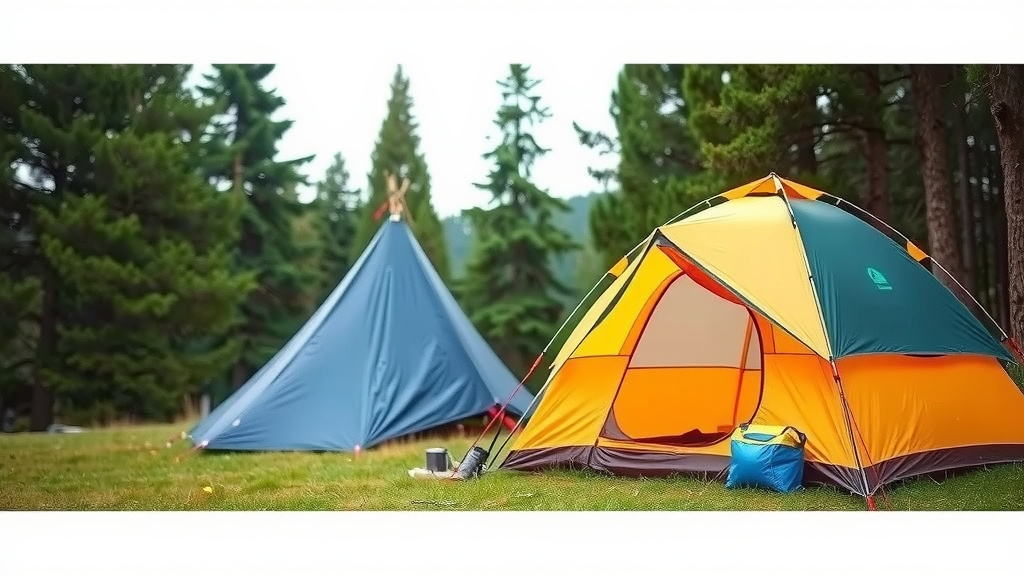
Key Differences at a Glance
To help you visualize, let’s compare the main features side-by-side. This should make your decision even clearer.
| Feature | Tent | Tarp |
|---|---|---|
| Bug Protection | Excellent (built-in mesh) | None (unless you add a bivy or net) |
| Rain Protection | Excellent (full coverage) | Good to Excellent (setup dependent) |
| Weight | Moderate to Heavy | Very Light |
| Setup Difficulty | Easy to Moderate | Moderate (requires practice and supports) |
| Ventilation | Moderate (can be adjusted) | Excellent (open design) |
| Privacy | High | Low to Moderate |
| Cost | Generally Higher | Generally Lower |
Making Your Final Choice: A Quick Checklist
Still on the fence? Ask yourself these questions. Your answers will point you toward the right shelter.
- What weather conditions do you expect?
- How important is bug protection to you?
- What is your total gear weight limit?
- How much setup time are you comfortable with?
- Do you prefer an open-air feel or enclosed privacy?
- Are you a beginner or an experienced camper?
Ultimately, both tents and tarps have a place in the camping world. We found that understanding their strengths helps you pack for the perfect outdoor experience. Happy trails!
Conclusion
Choosing between a tarp and a tent boils down to your camping style and priorities. For most campers, a tent offers reliable protection from bugs and weather, making it a comfortable and easy choice for various trips. If you’re a minimalist seeking lightweight adventure and don’t mind a bit more setup effort, a tarp provides an open-air experience ideal for fair conditions. Consider your expected weather, bug tolerance, and desire for privacy. Weigh these factors carefully to pack the shelter that best suits your next outdoor escape. Head out there with confidence, knowing you’ve picked the right gear for your adventure!
Frequently Asked Questions
Can I use a tarp if it might rain?
Yes, you can use a tarp in the rain, but its effectiveness depends heavily on how you set it up. You’ll need to pitch it tautly with a good slope to ensure water runs off without pooling or dripping inside your living space.
Are tarps safe from bears and other wildlife?
No, tarps offer no protection from wildlife. If you are camping in an area with bears or other large animals, a tent with fully enclosed walls and a zipper is a much safer option for keeping them out.
What do I need to set up a tarp besides the tarp itself?
You’ll need additional items like trekking poles, sturdy sticks, or trees to use as support. You’ll also need guy lines and stakes to secure the tarp to the ground and create tension for your chosen configuration.
Is a tent more comfortable than a tarp for beginners?
Generally, yes. Tents are much easier to set up for the first time and provide a fully enclosed, protected space, which can be more reassuring and comfortable for new campers compared to the more involved setup of a tarp.
Can a tarp provide privacy while camping?
A tarp offers limited privacy because it’s an open shelter. While you can configure it to block views from certain directions, it’s not enclosed like a tent, so you’ll feel more exposed to your surroundings.
![7 Mm Waterproof Tent [2026]](https://leonardhomeoutdoor.com/wp-content/uploads/2026/08/7-mm-waterproof-tent-2026-featured-768x432.jpg)
![7 Best Budget Camping Tents [2026]](https://leonardhomeoutdoor.com/wp-content/uploads/2026/08/7-best-budget-camping-tents-2026-featured-768x432.jpg)
![7 Best Hot Tent Pellet Stove [2026]](https://leonardhomeoutdoor.com/wp-content/uploads/2026/08/7-best-hot-tent-pellet-stove-2026-featured-768x432.jpg)
![7 Bedroom Tent With Living Room [2026]](https://leonardhomeoutdoor.com/wp-content/uploads/2026/08/7-bedroom-tent-with-living-room-2026-featured-768x432.jpg)