
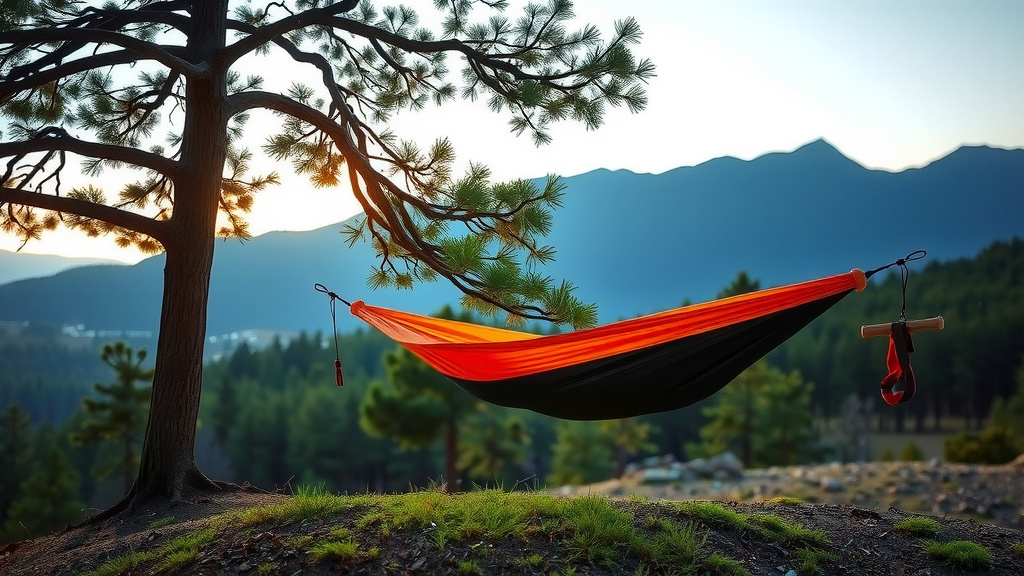
Tent vs Hammock vs Bivy: Which is Best for Camping
When choosing your overnight shelter for the backcountry, a tent offers the most versatility, a hammock provides the lightest weight for certain terrains, and a bivy sack is the When choosing your overnight shelter, a bivy sack is the simplest for ultralight needs.simplest for ultralight needs. Each has its own strengths depending on your trip’s demands. Understanding these differences will help you pick the best option for your comfort and safety. You want to sleep soundly, right?
Many campers and hikers weigh these options when planning an adventure. We found that tents are great for group trips and unpredictable weather. Hammocks are perfect for wooded areas where you can hang them. Bivy sacks shine for those who prioritize minimalist gear and quick setups. Your ideal shelter really depends on where you’re going and what you’re carrying.
- Tents: Best for groups, varied weather, and most campsites.
- Hammocks: Ideal for wooded areas, surprisingly comfortable.
- Bivy Sacks: For ultralight trips and emergency shelters.
- Consider your trip’s location and goals.
- Comfort vs. weight is the main trade-off.
Let’s walk through the pros and cons of each so you can decide which one is your perfect backcountry buddy.
“`htmlChoosing Your Backcountry Shelter: Tent, Hammock, or Bivy Sack?
Deciding between a tent, hammock, or bivy sack is a big step. Each offers a unique way to sleep under the stars. We’ve looked at what makes each one stand out. Think about where you’ll be camping. Will you be in a forest? Or maybe an open mountain range? Your environment plays a huge role. Your personal comfort preferences also matter a lot. Let’s break down the options to help you make the best choice for your adventures.
The Humble Tent: Your All-Around Camp Companion
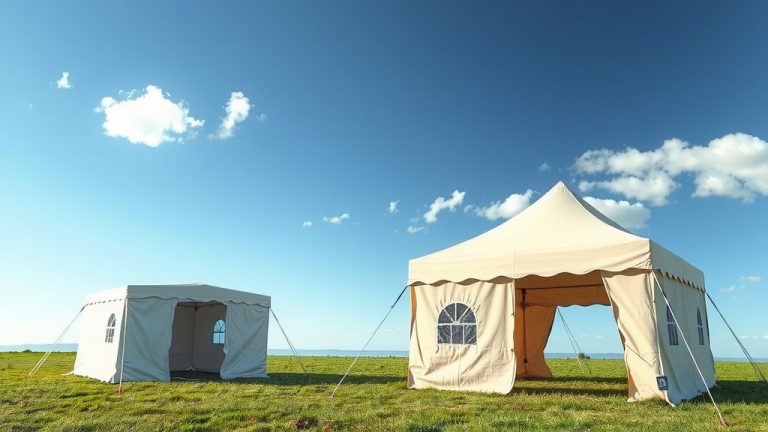
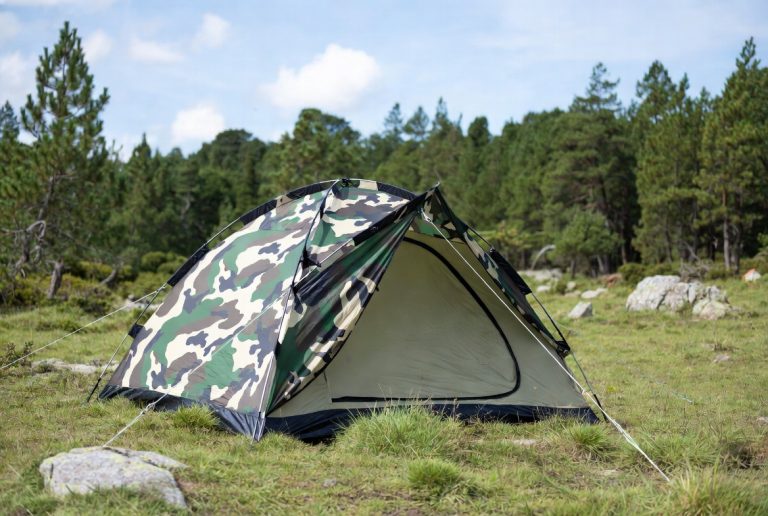
Tents are the classic choice for a reason. They offer a balanced mix of protection, space, and versatility. If you’re new to camping or often camp with others, a tent is probably your best bet. They are like a small, portable home in the wilderness.
Pros of Tent Camping
Tents provide excellent protection from the elements. Rain, wind, and even snow are no match for a well-pitched tent. They also offer a sense of privacy. You can change clothes or organize your gear without feeling exposed. For many, this feeling of security is priceless. You get a dedicated space to relax and unwind after a long day.
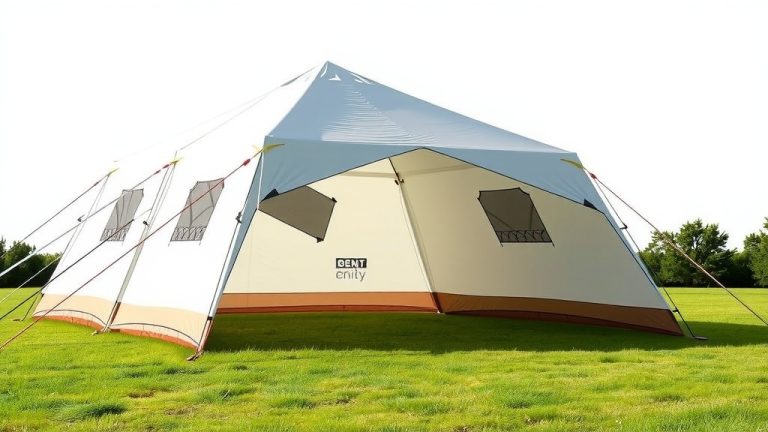
Tents come in many shapes and sizes. You can find lightweight backpacking tents for solo trips. Or you can get larger family tents for group excursions. Many tents have vestibules, which are covered areas outside the main sleeping space. These are perfect for storing muddy boots or damp gear. This keeps the inside of your tent clean and dry. It’s a small detail that makes a big difference.
Cons of Tent Camping
The main drawback of tents is their weight and bulk. Even the lightest backpacking tents can be heavier than a hammock or bivy setup. Setting up a tent also takes more time and effort. You need to find a flat, clear spot for pitching. This isn’t always easy in rocky or uneven terrain. It can be a bit of a chore after a tiring hike.
The cost can also be a factor. A good quality tent can be a significant investment. You’ll want one that can withstand various weather conditions. Cheap tents might not offer enough protection when you really need it. So, while versatile, tents do come with trade-offs in terms of portability and setup ease.
The Relaxing Hammock: Sleeping Among the Trees
Hammocks offer a unique camping experience. They are incredibly comfortable if you like the feeling of floating. For backpackers who love to camp in wooded areas, a hammock is a dream. It’s like having a comfortable bed suspended between two trees.
Hammock Camping Advantages
The biggest perk of hammocks is their minimal weight and small pack size. A hammock, suspension straps, and a tarp can be much lighter than a comparable tent. This is a huge win for ultralight backpackers. Plus, the setup can be incredibly fast once you’ve done it a few times. You just need two sturdy trees.
Many users find hammocks to be remarkably comfortable. You can often find a perfect sleeping position. It feels like you’re cradled in comfort. Hammocks also leave almost no trace on the environment. You’re not disturbing the ground or vegetation. This is a big plus for Leave No Trace principles. And who doesn’t love waking up with a view of the canopy above?
Hammock Camping Disadvantages
Hammocks are best suited for specific environments. You need trees that are strong enough to support your weight. If you plan to camp in open areas, deserts, or above the treeline, a hammock won’t work. You’ll need to bring poles or find other creative solutions, which adds weight and complexity.
Weather protection can also be a challenge. While you can use a tarp for rain, wind can be an issue. Hammocks can get surprisingly cold. This is due to air circulation underneath you. You’ll likely need an underquilt for insulation in cooler weather. This adds to your gear list. Bugs can also be a nuisance without a bug net.
The Minimalist Bivy Sack: Ultralight Shelter Solution
A bivy sack, or bivouac sack, is essentially a waterproof and breathable cover for your sleeping bag. It’s the most basic form of shelter. If your main goal is to travel as light as possible, a bivy is worth considering.
Why Choose a Bivy Sack?
Bivy sacks are incredibly lightweight and pack down small. They are the ultimate choice for ultralight enthusiasts or for emergency use. You can toss one in your pack without noticing the extra weight. Setting one up is also super simple. You just unroll it, get in, and zip it up.
Bivy sacks offer good protection from wind and light rain. They can also add a bit of warmth to your sleeping system. Some people like the feeling of being close to nature, almost as if they are sleeping outdoors without any cover at all. It’s a very minimalist experience. This can be very appealing for certain types of trips. Many hikers use them as a backup shelter.
When a Bivy Might Not Be Enough
The main limitation of a bivy sack is its limited space. You’ll be sleeping directly inside the sack with your sleeping bag. There’s no room to move around or store gear. You can feel quite confined, which can be claustrophobic for some. If you’re prone to feeling enclosed, a bivy might not be for you. It’s like sleeping inside a stuff sack.
Bivy sacks also don’t offer much protection from heavy rain or snow. While they are waterproof, condensation can build up inside. This can make your sleeping bag damp over time. They also don’t provide much insect protection unless they have an integrated mesh panel. And if you need to cook or shelter from a storm, a bivy offers no extra room. It’s a shelter for sleeping, not for living.
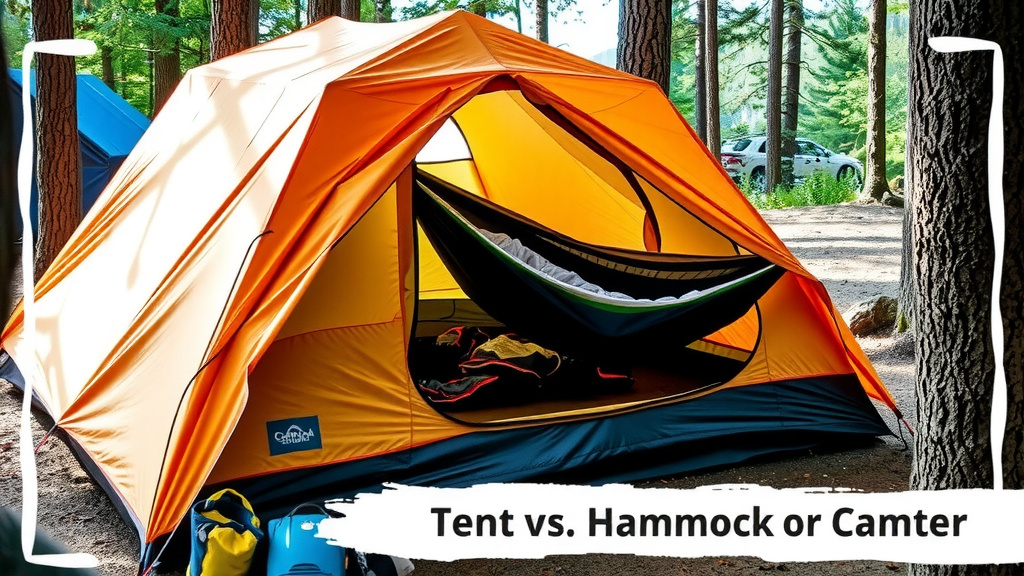
Comparing Your Options at a Glance
To help you visualize the differences, here’s a quick comparison table:
| Feature | Tent | Hammock | Bivy Sack |
|---|---|---|---|
| Weight | Moderate to Heavy | Light | Very Light |
| Pack Size | Moderate to Large | Small | Very Small |
| Setup Time | Moderate | Fast (with trees) | Very Fast |
| Weather Protection | Excellent | Good (with tarp) | Fair to Good |
| Space/Comfort | Good | Excellent (for sleeping) | Minimal |
| Best For | Groups, varied weather, most terrains | Wooded areas, comfort seekers | Ultralight trips, emergency |
Your Pre-Trip Shelter Checklist
Before you head out, consider these points to ensure you choose wisely:
- Terrain: Are there trees for a hammock? Is the ground suitable for a tent?
- Group Size: Are you solo or with others?
- Weather Forecast: Expecting rain, wind, or just clear skies?
- Trip Duration: Longer trips might favor more comfort.
- Personal Priorities: Is weight your biggest concern, or is comfort king?
- Experience Level: Some shelters are simpler to use than others.
Conclusion
You’ve seen how tents offer broad protection and space, hammocks provide lightweight comfort in wooded areas, and bivy sacks are the ultimate for ultralight travel. Your choice hinges on your planned adventures. Consider your typical trip’s terrain, the weather you expect, and how much weight you’re willing to carry. We found that the best shelter truly aligns with your personal priorities and where you’ll be setting up camp. Take a moment to picture your next trip and decide which of these shelters will best serve you.
Frequently Asked Questions
Can I use a hammock in a desert?
Generally, no. Hammocks require sturdy trees for hanging, which are absent in desert environments. You would likely need to carry poles or a hammock stand, adding significant weight and complexity to your setup. This makes hammocks less ideal for desert backpacking.
How do I stay warm in a hammock during cold weather?
To stay warm in a hammock, you’ll need an underquilt. This is an insulated layer that hangs beneath your hammock to trap body heat. You’ll also want a sleeping bag suitable for the expected temperatures. Many hammock campers also use a draft collar on their tarp for added protection.
Is a bivy sack waterproof enough for heavy rain?
Bivy sacks are designed to be water-resistant, not fully waterproof for sustained heavy rain. While they protect your sleeping bag from light showers and splashes, prolonged downpours can lead to saturation and condensation buildup inside. For heavy rain, a tent or a robust tarp setup is usually a better choice.
What is the best shelter for car camping with family?
For family car camping, a tent is almost always the best option. Tents offer ample space for multiple people, gear, and provide excellent protection from various weather conditions. They are also more comfortable for lounging and playing inside if the weather turns bad.
Which shelter is easiest to set up if I’m a beginner?
For absolute beginners seeking ease of setup, a bivy sack is incredibly simple – just get in and zip it up. However, if you want a balance of ease and more comfort, a freestanding tent requires minimal staking and can be pitched quickly. Hammocks can be fast too, but require finding suitable trees.
![7 Best Family Camping Tents 2025 [2026]](https://leonardhomeoutdoor.com/wp-content/uploads/2026/08/7-best-family-camping-tents-2025-2026-featured-768x432.jpg)