
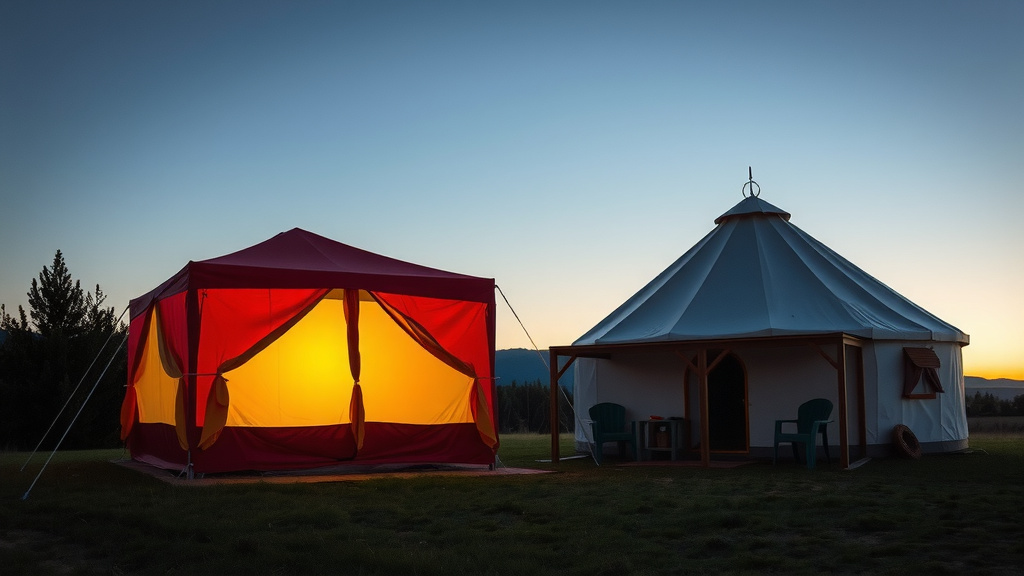
Tent vs Yurt: Which Camping Shelter Wins
Deciding between a tent and a yurt depends on what kind of camping experience you want. A tent offers portability and simplicity, perfect for quick trips. A yurt provides more comfort and space, feeling more like a cozy cabin in the woods. Both are great for enjoying the outdoors, but they serve different camping styles.
When you’re choosing your next outdoor adventure shelter, think about your priorities. Do you need something you can easily pack and hike with, or are you looking for a more established basecamp? We found that understanding the key differences helps you pick the right one. Your choice will shape your entire camping trip.
- Tents are lightweight and easy to move.
- Yurts are more spacious and comfortable for longer stays.
- Tents are great for backpacking and spontaneous trips.
- Yurts offer a glamping experience with more amenities.
- Consider your camping style and trip duration.
Let’s dive into the specifics of each so you can figure out which one is your perfect outdoor home.
“`htmlTent vs. Yurt: Choosing Your Outdoor Dwelling
Selecting between a tent and a yurt really boils down to what kind of outdoor experience you’re hoping for. You might be wondering, “Which one is right for me?” Let’s break down the main differences to help you decide.
Understanding the Tent: Your Portable Basecamp
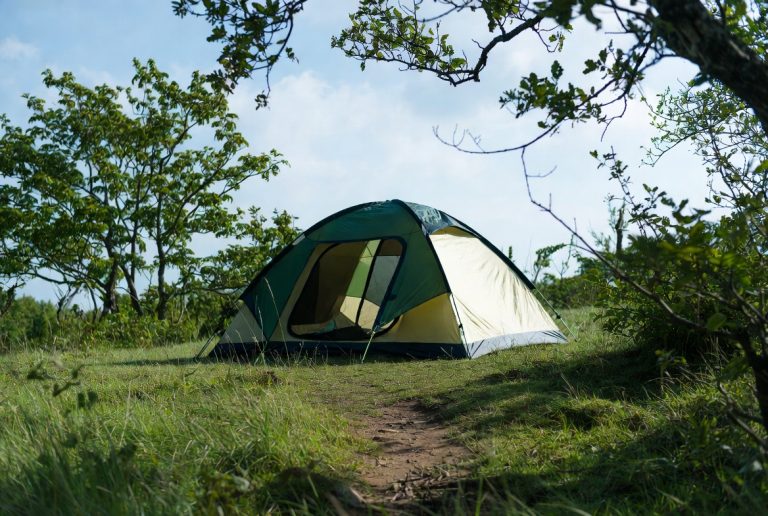
Tents are the classic camping companion for a reason. They are designed for mobility and simplicity. You can pack one up and hike to remote locations. Setting up a tent is usually a straightforward process. Most modern tents are engineered for quick assembly.
The Upside of Tents: Portability and Versatility
The biggest advantage of a tent is how easy it is to move. Whether you’re backpacking deep into the wilderness or just going for a weekend car camping trip, a tent travels well. You can pitch it on nearly any flat surface. This makes them incredibly versatile for various adventures.
We found that tents come in a huge range of sizes. You can find small, one-person shelters for solo hikers. Or, you can get larger family tents that sleep six or more. This adaptability means there’s a tent for almost any camping scenario you can imagine.
Tent Downsides: Comfort and Space Considerations
While tents are great for moving around, they often lack in comfort and space. You’ll be sleeping on the ground, likely with an air mattress or sleeping pad. Headroom can be limited, making it hard to move around inside, especially if you have multiple people or gear.
Weather can also be a challenge. While good tents are waterproof, strong winds can make them feel unstable. You’re essentially sleeping in a fabric shell. This means you’re more exposed to the elements. Many experts agree that proper staking and guy lines are essential for wind resistance (National Park Service).
Exploring the Yurt: A Step Up in Comfort
Yurts, on the other hand, offer a more substantial and comfortable shelter. Originating from nomadic cultures, modern yurts are often designed for more permanent or semi-permanent camping setups. They feel more like a cozy cabin in the woods.
The Benefits of Yurts: Space, Stability, and Amenities
One of the most noticeable benefits of a yurt is the generous interior space. You usually have plenty of room to stand up, walk around, and spread out your gear. Many yurts are large enough to accommodate furniture like beds, chairs, and even small tables. This creates a much more relaxed living environment.
Yurts are also incredibly sturdy. Their round, rigid structure with a lattice wall and a dome roof makes them very stable. They can withstand significant wind and snow loads. Research indicates that well-constructed yurts can offer superior insulation compared to many tents (Forestry and Natural Resources).
This stability and space make yurts ideal for longer stays or for those who want a more glamping-style experience. You can often find yurts in campgrounds that come equipped with beds, heating, and even electricity. It’s a step closer to home comforts.
Yurt Drawbacks: Portability and Cost
The main disadvantage of a yurt is its lack of portability. While some can be disassembled and moved, it’s a much more involved process than packing up a tent. Yurts are generally set up in a specific location and stay there.
Another factor to consider is the cost. Yurts are typically much more expensive than tents. This is due to their larger size, more complex construction, and the materials used. If your budget is tight, a tent might be a more practical choice.
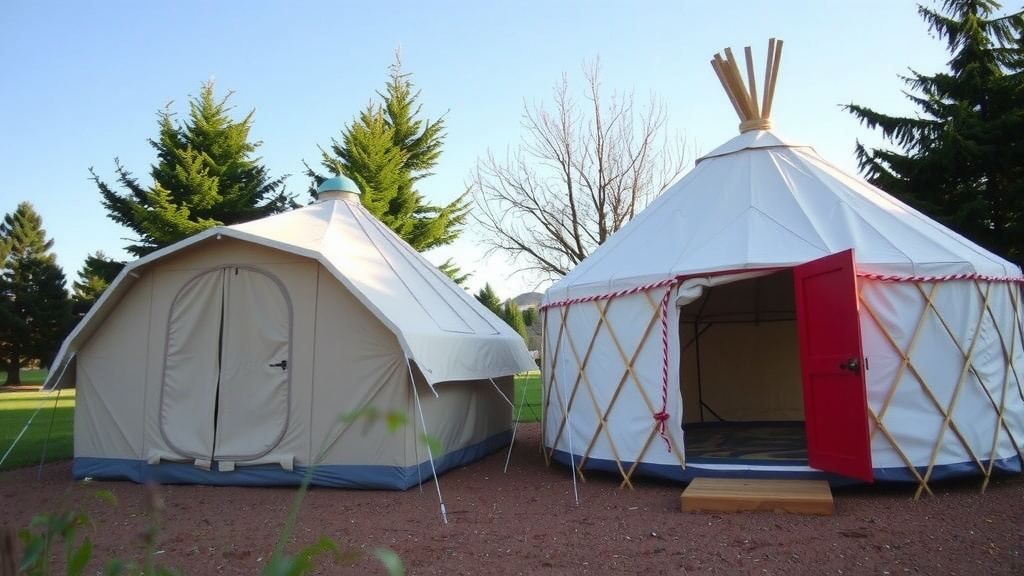
Comparing Key Features: A Quick Look
To help you visualize the differences, let’s compare some key features in a table. This should give you a clearer picture of what each offers.
| Feature | Tent | Yurt |
|---|---|---|
| Portability | High | Low |
| Setup Time | Minutes to an hour | Hours to days (for assembly) |
| Space & Headroom | Limited | Ample |
| Comfort Level | Basic to Moderate | Moderate to High |
| Durability & Stability | Varies, can be less stable in wind | High, very stable |
| Cost | Low to Moderate | High |
| Best For | Backpacking, short trips, mobility | Car camping, longer stays, comfort |
Making Your Final Decision: What’s Your Camping Style?
To decide between a tent and a yurt, ask yourself a few questions. How much gear will you be bringing? Are you planning to move campsites frequently? How important are amenities like standing room and a solid floor?
If you’re an avid hiker who loves to explore new trails and prefers to travel light, a tent is likely your best bet. Its portability allows you the freedom to go wherever the trail takes you. You can find lightweight backpacking tents that are easy to carry. You can find lightweight backpacking tents that are easy to carry.
On the other hand, if you enjoy car camping, want more space to relax, and are looking for a more comfortable outdoor experience, a yurt could be perfect. It provides a feeling of permanence and coziness that tents simply can’t match. Think of it as a solid structure that still lets you hear the sounds of nature.
Your Camping Checklist: Tent or Yurt?
Consider these points to help solidify your choice:
- Trip Duration: Longer stays might favor a yurt.
- Activity Level: Backpacking means a tent.
- Group Size: More people usually means more space needed.
- Budget: Yurts have a higher upfront cost.
- Comfort Needs: Do you need to stand up easily?
- Weather Considerations: Both can be good, but yurts offer more robust protection.
Conclusion
So, you’re ready to choose your next outdoor shelter! You’ve seen how tents offer unbeatable portability for hikers and spontaneous trips. Yurts, conversely, provide a robust, comfortable home-away-from-home for longer stays and car camping enthusiasts. Your camping style truly dictates the best choice. Think about how you want to travel and what comforts matter most on your adventure. Now that you understand the core differences, your next step is to visualize your ideal trip and pick the shelter that will make it happen. Happy camping!
Frequently Asked Questions
Are yurts suitable for winter camping?
Yes, many yurts are well-suited for winter camping due to their sturdy construction and potential for insulation. Their solid walls can offer better protection against cold and wind than a typical tent. You’ll want to ensure your chosen yurt is designed for colder climates, possibly with added insulation and a reliable heating source.
Can I set up a yurt by myself?
Setting up a yurt is a more involved process than pitching a tent and often requires multiple people. While some smaller yurts might be manageable with a helper, larger structures typically need a team effort. It’s best to plan for assistance when assembling a yurt, as it can take hours or even days.
What kind of maintenance do tents and yurts require?
Tents require cleaning and proper drying after each use to prevent mold and mildew. You’ll also need to check poles and zippers for wear. Yurts generally need less frequent but more involved maintenance, such as checking the frame, fabric tension, and ensuring the roof dome is clear. They are more permanent structures needing periodic inspection.
Which is better for bug protection: a tent or a yurt?
Both tents and yurts offer good protection against insects, provided they are properly sealed. Tents have mesh screens for ventilation. Yurts often have solid walls with windows and doors that can be screened, offering a robust barrier against bugs. Ensuring all closures are secure is key for both.
Can I take a yurt backpacking?
No, yurts are not designed for backpacking. Their size, weight, and construction make them completely unsuitable for carrying on your back. Yurts are meant for semi-permanent or car camping setups where you can drive your gear close to the site. Tents, especially backpacking tents, are the way to go for backcountry adventures.
![7 Best Beach Tent [2026]](https://leonardhomeoutdoor.com/wp-content/uploads/2026/06/7-best-beach-tent-2026-featured-768x432.jpg)
![7 Best Backpacking Tent For Bad Weather [2026]](https://leonardhomeoutdoor.com/wp-content/uploads/2026/07/7-best-backpacking-tent-for-bad-weather-2026-featured-768x432.jpg)