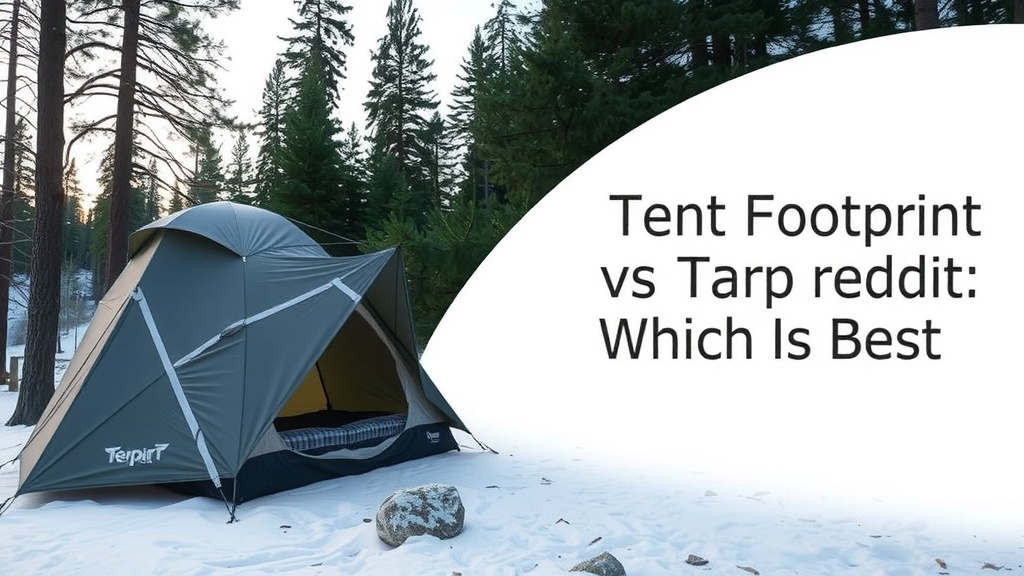
Tent Footprint vs Tarp Reddit: Which Is Best
When deciding between a tent footprint and a tarp for your campsite, understand that a tent footprint is specifically designed to match your tent’s dimensions, offering a perfect fit. A tarp, on the other hand, is more versatile but often requires extra effort to secure properly, potentially leaving corners exposed to the elements. We found that a footprint provides superior, tailored protection.
Both footprints and tarps serve a vital role in protecting your tent floor from abrasion and moisture. However, a footprint is typically made from lighter, more durable material than a standard tarp. Many campers prefer the convenience and custom coverage a footprint offers for their specific tent model. It’s a simple way to extend your tent’s lifespan.
- Tent footprints fit your tent exactly.
- Tarps are more versatile but need careful setup.
- Both protect your tent floor from damage.
- Footprints can be lighter than tarps.
- Choose based on protection needs and ease of use.
Let’s get into the details of why one might be a better choice for your next adventure.
Tent Footprint vs. Tarp: Which Ground Cover is Right for You?
When you’re out camping, keeping your tent in good shape is a top priority. That’s where a ground cover comes in. We’ve looked into the common debate: is a tent footprint better, or should you go with a versatile tarp? Both can shield your tent’s floor from rough terrain and pesky moisture. Your choice really depends on what you need most for your outdoor trips.
We found that understanding the core differences will help you make the best decision for your gear. Let’s break down what each offers and why one might be a better fit for your specific camping style.
What is a Tent Footprint?
Think of a tent footprint as a custom-tailored suit for your tent. It’s a piece of fabric, usually nylon or polyester, that’s cut to the exact shape and size of your tent’s floor. You lay it down before setting up your tent, and your tent then sits right on top of it.
Designed for a Perfect Fit
The biggest advantage of a footprint is its precise fit. Because it matches your tent’s dimensions, it offers complete coverage. No corners sticking out to collect puddles or dirt. This snug fit prevents small rocks or twigs from getting under the edges and poking through your tent floor. We found that this custom fit means less guesswork for you.
Protection from the Elements
A footprint acts as a sturdy barrier. It protects your tent’s floor from abrasion caused by rocks, roots, and rough ground. It also adds an extra layer against moisture seeping up from the damp earth. Many footprints are made with waterproof or water-resistant materials, giving you peace of mind on dewy mornings or after a light rain shower. Many footprints are made with waterproof materials, giving you peace of mind on dewy mornings.
Material Matters
Footprints are often made from lighter, yet very durable, materials compared to standard tarps. This makes them easier to pack and carry in your backpack without adding much weight. We found that manufacturers choose materials that offer good abrasion resistance without being overly heavy, keeping your overall gear load manageable.
What is a Tarp?
A tarp is a much more general-purpose item. It’s a large sheet of waterproof material, like canvas or polyethylene, that can be used for many things. For camping, people often use them as a ground cover, a rain shelter, or even a makeshift shade canopy.
Versatility is Key
Tarps are the Swiss Army knives of outdoor gear. You can use them in so many ways! As a ground cover, you can spread one out to sit on during a picnic, protect gear from rain, or create a dry workspace. For a tent, you can lay it down and pitch your tent on top, or you can rig it up above your tent to create an extra rainfly or sunshade.
The Setup Challenge
While versatile, using a tarp as a tent footprint can be a bit more work. Since tarps come in standard rectangular or square shapes and various sizes, you often end up with excess material. If you don’t fold or secure the edges properly, these extra bits can stick out from under your tent.
We found that these exposed corners can collect rainwater and direct it under your tent. They can also become tripping hazards. Proper setup involves careful folding, staking, or tying to ensure only the area directly under your tent is covered. It takes a little practice to get it just right.
Durability and Weight Considerations
Tarps can be quite durable, especially heavier-duty ones. However, this often means they are heavier and bulkier than a dedicated tent footprint. If you’re backpacking and every ounce counts, a heavy tarp might not be your first choice for just ground protection. For car camping, the extra weight might be less of a concern.
Tent Footprint vs. Tarp: Direct Comparison
Let’s put them side-by-side to see how they stack up. We’ve gathered the key points to help you visualize the differences.
| Feature | Tent Footprint | Tarp |
|---|---|---|
| Fit | Custom, matches tent dimensions exactly. | Generic shapes and sizes; requires folding/adjusting. |
| Primary Use (for tents) | Ground cloth to protect tent floor. | Multi-purpose: ground cloth, shelter, shade. |
| Ease of Setup | Simple, just lay it down. | Can be more complex to get a clean, effective fit. |
| Weight | Generally lighter. | Can be heavier, especially robust models. |
| Durability | Very good for abrasion resistance. | Varies; heavy-duty options are very tough. |
| Cost | Can be more expensive for specific models. | Generally less expensive, especially basic poly tarps. |
When to Choose a Tent Footprint
You’ll likely prefer a tent footprint if convenience and a perfect fit are your top priorities. If you hate fiddling with gear and just want to set up camp quickly and efficiently, a footprint is ideal. It’s designed to do one job exceptionally well: protect your tent floor. We found that campers who invest in good tents often want to protect that investment with a custom-fit accessory.
When a Tarp Might Be Better
A tarp shines when you need versatility. If you’re on a tight budget and need a ground cover that can also double as a rain shelter or a picnic blanket, a tarp is a smart choice. It’s a budget-friendly way to get multiple uses out of one piece of gear. If you’re a minimalist camper or enjoy creative solutions, a tarp offers more possibilities.
Expert Tips for Using Ground Covers
No matter which you choose, using a ground cover correctly can make a big difference in your camping experience and the lifespan of your tent. Here are a few tips we’ve picked up:
- Always ensure your ground cover is slightly smaller than your tent floor. If it extends beyond the tent, it can collect rain and channel water underneath you.
- Keep the ground cover clean. Brush off dirt and debris before packing it away to prevent mildew and prolong its life.
- For tarps, practice your setup at home. Learn how to fold or tuck the edges so they don’t stick out.
- Inspect your ground cover regularly for any tears or holes that could let moisture or sharp objects through.
- Consider the terrain. If you know you’ll be camping on very rocky ground, a slightly thicker or more robust ground cover might be worth the extra weight.
Conclusion
Deciding between a tent footprint and a tarp comes down to your camping style and priorities. A tent footprint offers a custom fit and straightforward protection, making setup a breeze and safeguarding your tent’s floor with minimal fuss. If convenience and a perfect match for your tent are what you seek, a footprint is your best bet.
On the other hand, a tarp provides unmatched versatility, serving multiple purposes beyond just ground cover, often at a lower cost. If you need gear that can do more and you don’t mind a little extra effort in setup, a tarp is a fantastic, budget-friendly option. Whichever you choose, remember to keep it clean and ensure it’s the right size for optimal performance. Happy camping!
Frequently Asked Questions
Can I use a regular tarp as a tent footprint if I don’t have a dedicated one?
Yes, you absolutely can use a regular tarp as a substitute for a tent footprint. Just make sure to fold the edges inward so the tarp is slightly smaller than your tent floor. This prevents water from collecting and seeping under your tent during rain.
Will a footprint add much weight to my backpacking gear?
Generally, tent footprints are designed to be lightweight, often made from thinner yet durable materials than standard tarps. While any extra gear adds weight, a dedicated footprint is usually a lighter option compared to a heavy-duty tarp, making it a good choice for backpackers.
Are tarps durable enough for rough campsite terrain?
The durability of a tarp varies greatly by material and thickness. Heavy-duty polyethylene or canvas tarps can be very tough and handle rough terrain well. Lighter, thinner tarps might be more prone to punctures, so inspect your tarp for damage before each use.
How do I prevent a tarp from becoming a tripping hazard under my tent?
The best way to avoid tripping hazards is careful setup. Fold any excess tarp material neatly underneath itself, or stake down the corners securely if they extend beyond your tent area. Practicing your tarp setup at home can help you master this.
Is a tent footprint worth the extra cost compared to a basic tarp?
For many campers, a tent footprint is worth the investment for the convenience and perfect fit it provides. It simplifies setup and ensures optimal floor protection without the guesswork. If your budget is tight or you need multi-use gear, a tarp might be more economical.
![7 Person Tent 4 Season [2026]](https://leonardhomeoutdoor.com/wp-content/uploads/2026/08/7-person-tent-4-season-2026-featured-768x432.jpg)
![7 Best Air Mattress For Tent Camping [2026]](https://leonardhomeoutdoor.com/wp-content/uploads/2026/07/7-best-air-mattress-for-tent-camping-2026-featured-768x432.jpg)