Tent Footprint vs Groundsheet What’s the Difference
A tent footprint and a groundsheet both protect your tent, but they serve different primary purposes. A tent footprint is a custom-fit tarp that goes under your tent to shield the tent floor from abrasion and moisture, while a groundsheet is a generic tarp you can use for various purposes, including under a tent, but it’s often less fitted and may offer less specific protection for your tent’s base.
Many campers get confused between these two essential pieces of gear. Understanding their differences helps you make the right choice for your camping setup. This leads to a longer-lasting tent and a more comfortable, drier camping experience overall. You want to protect your investment, right?
- A tent footprint is shaped for your specific tent.
- It protects the tent floor from wear and tear.
- A groundsheet is a general-purpose tarp.
- It can be used under a tent or for other needs.
- Both help keep your tent dry and clean.
Let’s walk through exactly what each one is and how they differ so you can choose the best option for your next adventure.
“`htmlUnderstanding Your Tent’s Ground Protection: Footprints vs. Sheets
Protecting your tent floor is super important. It keeps your tent clean and dry. It also helps your tent last much longer. You might have heard the terms “tent footprint” and “groundsheet.” They sound similar, but they have key differences. Knowing these differences helps you pick the right gear for your camping adventures. Let’s break it down so you can keep your tent in top shape.
What Exactly Is a Tent Footprint?
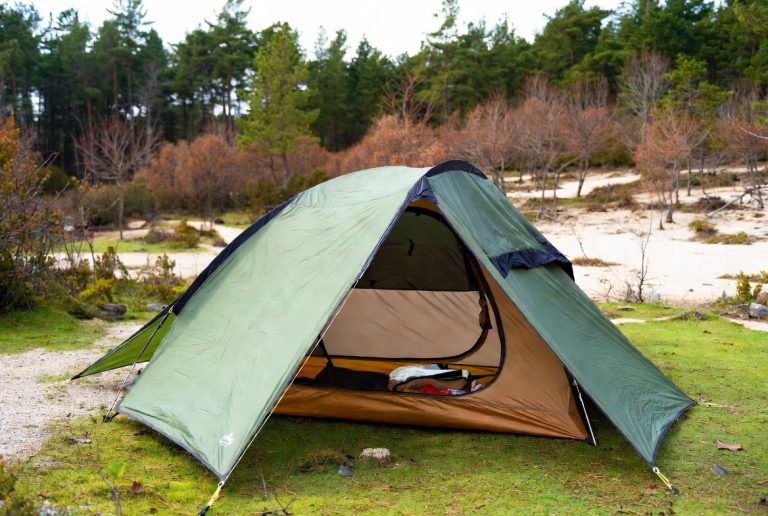
A tent footprint is basically a custom-cut tarp. It’s made to fit the exact dimensions of your tent floor. Think of it as a tailored suit for your tent’s bottom. The main goal is to shield your tent’s floor from damage. This damage can come from rocks, roots, or rough ground.
Designed for Your Tent
The key feature is its specific fit. Manufacturers design footprints to match the floor of a particular tent model. This means you don’t have to worry about extra material hanging out. An exact fit prevents the footprint from collecting water or dirt. It sits snugly underneath, doing its job quietly.
Primary Functions of a Footprint
Research and found that the primary role of a footprint is abrasion resistance. Campgrounds can have sharp bits of gravel or twigs. These can easily puncture or wear down the thin material of a tent floor. The footprint takes the brunt of this wear and tear. This means your tent floor stays intact for more trips. Many outdoor gear experts also highlight its role in keeping the tent dry. While not waterproof itself, it acts as a barrier against ground moisture.
What Is a Groundsheet?
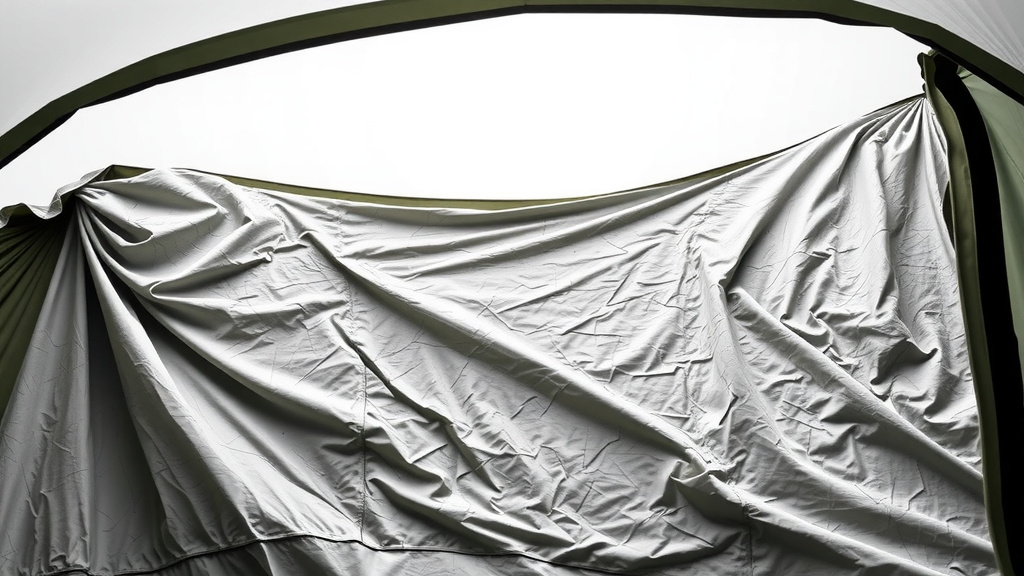
A groundsheet is a more general term. It’s usually a tarp or sheet of material. You can use it for many different purposes. One common use is under a tent, but it’s not specifically designed for just that. Think of it as a versatile tool in your camping bag.
Versatility and General Use
Groundsheets are not typically custom-fit. They come in standard sizes. You can use them to protect gear from wet ground. You might spread one out for a picnic. Some people use them as a makeshift tarp for shelter. Because they aren’t made for a specific tent, you often have to adjust them. You might fold the edges to prevent them from sticking out from under the tent.
How Groundsheets Work Under a Tent
When used under a tent, a groundsheet serves a similar purpose to a footprint. It provides an extra layer of protection. It helps keep the tent floor cleaner. It can also offer some insulation from the cold ground. However, we found that a poorly fitted groundsheet can actually cause problems. If it extends beyond your tent floor, rain can run down it. This water then pools under your tent. This defeats the purpose of staying dry.
Key Differences: Footprint vs. Groundsheet
The main differences lie in their design, fit, and intended use. Let’s look at how they stack up against each other. This comparison will help you see which one is right for you.
Material and Durability
Footprints are often made from durable, lightweight materials. They are designed to be tough enough for repeated use. Many are made from a strong nylon or polyester fabric. Groundsheets can vary widely. Some are simple plastic tarps, while others are heavy-duty canvas. The durability often depends on the specific product and its price point.
Fit and Coverage
As we’ve discussed, footprints offer a perfect, custom fit. This ensures no excess material is exposed. Groundsheets usually require some adjustment. You might need to fold or tuck the edges. This is to make sure they don’t collect water. A good fit is essential for effective rain protection.
Purpose and Functionality
A footprint’s primary purpose is to protect the tent floor specifically. It’s an investment in your tent’s longevity. A groundsheet is more of an all-purpose item. It can protect your tent, but it can also be used for other camping tasks. Many campers find a groundsheet useful for covering gear or creating a clean sitting area.
| Feature | Tent Footprint | Groundsheet |
|---|---|---|
| Fit | Custom-fit for specific tent model | Generic sizes, requires adjustment |
| Primary Use | Protect tent floor from abrasion and moisture | General ground protection, versatile uses |
| Water Management | Designed not to collect water when fitted | Can collect water if edges extend beyond tent |
| Durability | Typically durable, made for tent floor protection | Varies widely by material and quality |
| Portability | Often lightweight and packable | Varies; heavier materials can be bulky |
Making the Right Choice for Your Camping Style
So, which one should you choose? It really depends on your camping habits and what you prioritize. Think about how you use your tent and what kind of protection you need.
When a Tent Footprint Is Your Best Bet
If you are serious about preserving your tent, a footprint is a smart investment. If your tent is expensive or has a delicate floor material, a footprint is highly recommended. It offers peace of mind. You know your tent floor is getting the best possible protection. This is especially true if you camp on rough terrain often. Many tent manufacturers strongly suggest using a footprint. They say it helps maintain the tent’s warranty too.
When a Groundsheet Might Be Sufficient (or Even Better!)
A groundsheet can be a good option if you’re on a tighter budget. It’s also great if you’re new to camping and want a multi-use item. If you mostly camp on soft, grassy areas, the extra protection might not be as critical. You might already have a tarp you use for other things. Repurposing that can save you money and space. Just remember to manage that fit carefully to avoid water pooling.
DIY Ground Protection Options
Sometimes, you might not have a dedicated footprint or groundsheet. Don’t let that stop your adventure! You can often use other materials. A large plastic tarp works in a pinch. Even a sturdy piece of Tyvek house wrap can do the job. Just make sure to cut it to size. You want it to be slightly smaller than your tent floor. This is key to preventing rainwater from pooling underneath.
Quick Checklist: Is a Footprint or Groundsheet Right for You?
To help you decide, ask yourself these questions:
- Do you camp on rocky or uneven ground frequently?
- Is preserving the waterproof coating of your tent floor important?
- Do you want a custom fit that prevents water pooling?
- Are you looking for a multi-purpose tarp for various camp needs?
- What is your budget for camping accessories?
- How much weight and space are you willing to carry?
Conclusion
You now understand the core differences between a tent footprint and a groundsheet. A footprint offers custom-fit protection specifically for your tent floor, preventing abrasion and moisture buildup. A groundsheet is a versatile tarp that can serve many purposes, including under your tent, but requires careful fitting to avoid water issues. By choosing the right ground protection, you’re investing in a drier, more comfortable camping trip and extending the life of your tent.
Before your next adventure, decide which type of protection best suits your camping style and terrain. Consider purchasing a custom footprint if tent longevity is your top priority, or opt for a versatile groundsheet if budget and multi-use are more important to you. Make the smart choice for your gear!
Frequently Asked Questions
Is a tent footprint really necessary?
Yes, a tent footprint is highly recommended, especially for expensive tents or if you camp on rough terrain. It acts as a vital barrier against sharp objects and helps preserve the waterproof coating of your tent floor, preventing premature wear and tear.
Can I use any old tarp as a groundsheet?
You can use a generic tarp as a groundsheet, but be sure it’s cut to be slightly smaller than your tent floor. If the tarp extends beyond your tent, rain can collect on it and channel water underneath, defeating its purpose and making your tent wet.
Does a footprint add much weight to my pack?
Most tent footprints are designed to be lightweight and packable. They are made from durable yet thin materials that won’t add a significant burden to your backpack, making them a worthwhile addition for the protection they offer.
How do I clean a tent footprint or groundsheet?
Both footprints and groundsheets can typically be cleaned with mild soap and water. After washing, allow them to air dry completely before storing to prevent mold or mildew. Avoid harsh chemicals or abrasive scrubbers that could damage the material.
Can a groundsheet improve tent insulation?
A groundsheet can provide a minor improvement in insulation by creating an extra layer between you and the cold ground. However, its primary benefits are protection from moisture and abrasion, not significant temperature regulation.