How Long Do Tent Caterpillars Live?
So, you’re wondering how long tent caterpillars live? Generally, the tent caterpillar life cycle lasts about one year. Most of this time is spent as an egg or a pupa. The active caterpillar stage is actually quite short.
While the fuzzy caterpillars grab your attention, they are just one part of the story. What you see crawling on your trees is usually only present for a few weeks. Understanding their full life cycle helps explain their appearances and what to expect.
TL;DR:
- Tent caterpillars have a life cycle that spans around one year.
- The visible caterpillar stage lasts only a few weeks.
- They spend most of their life as eggs or inside a pupa.
- Adult moths emerge briefly to mate and lay eggs.
We’ve researched the tent caterpillar’s journey and found some interesting details. Let’s break down exactly how long each stage of their life takes and what that means for your garden.
You’ve seen them, those tell-tale silky tents on tree branches, often teeming with hungry caterpillars. You might be asking yourself, “Just how long does this stage of their life last?” It’s a great question, and the answer is a bit more involved than just the few weeks you see them crawling around.
Understanding the Tent Caterpillar’s Full Timeline
The complete life of a tent caterpillar is surprisingly long, clocking in at about a year. However, you’re only seeing a small fraction of that time. Let’s break down each phase to see where they spend their days and nights.
The Life Stages of a Tent Caterpillar
1. The Egg Stage: The Longest Wait
The tent caterpillar’s journey begins not as a caterpillar, but as an egg. Female moths lay their eggs in masses, typically on the twigs of host trees. These egg masses are often covered with a frothy substance, which hardens to protect them. This is where they spend the majority of their lives.
When are Eggs Laid?
Mating and egg-laying usually happen in the late summer or early fall. So, if you notice egg masses in the autumn, you know what’s coming next spring.
How Long Do Eggs Hatch?
The eggs remain dormant throughout the cold winter months. They need the warmth of spring to signal it’s time to hatch. This means the egg stage can last for up to eight or nine months, depending on your climate.
2. The Larval Stage: The Visible Crawlers
This is the stage everyone notices! Once the weather warms up and new leaves appear on trees, the eggs hatch. Tiny caterpillars emerge, ready to eat and grow.
How Long Do Caterpillars Stay in the Tent?
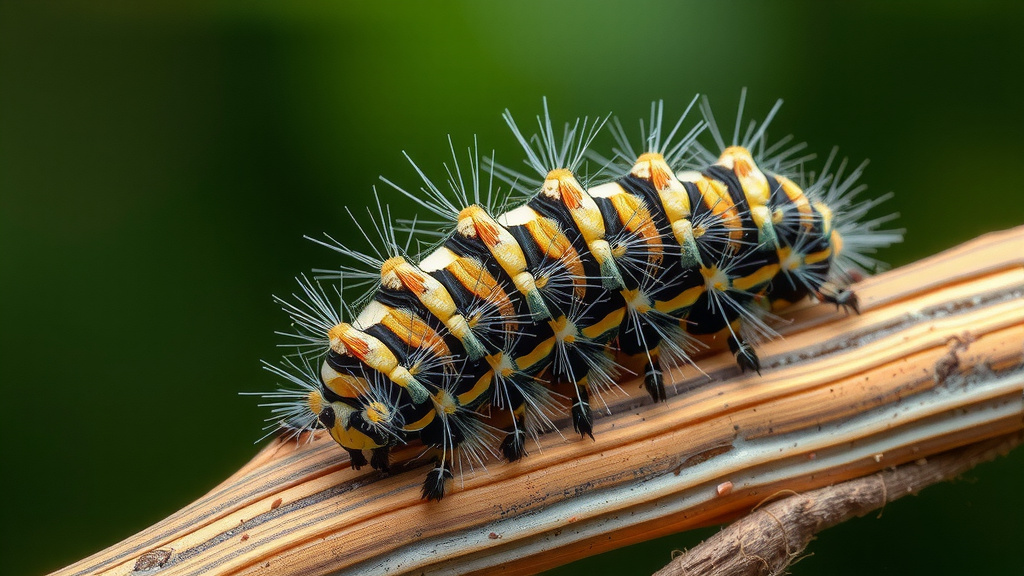
These young caterpillars are social. They feed together and often retreat to their silken tent for protection. The tent grows larger as the caterpillars do. This stage is intense but short. We found that the larval stage typically lasts only about four to six weeks.
What Do They Eat?
Their primary diet consists of the leaves of their host trees. Common hosts include trees in the apple family, like apple, cherry, plum, and crabapple trees. They can cause significant defoliation if populations are large.
Molting and Growth
During this time, the caterpillars will molt (shed their skin) several times. Each molt allows them to grow larger. By the end of this stage, they are significantly bigger and hungrier than when they first hatched.
3. The Pupal Stage: A Quiet Transformation
Once the caterpillars reach full size, they leave the tent and search for a sheltered spot. This is usually in a protected area, like under loose bark, in leaf litter, or in other nooks and crannies. Here, they spin a cocoon.
What Happens Inside the Cocoon?
Inside this silken cocoon, the caterpillar undergoes a remarkable transformation. It changes from a crawling larva into an adult moth. This is called metamorphosis. This phase is another extended period of waiting.
Duration of the Pupal Stage
The pupal stage can vary in length. Some moths emerge within a few weeks during the same summer. However, many species will remain in the pupal stage over winter, waiting for the right conditions to emerge the following spring. This means the pupal stage can also last for several months, much like the egg stage.
4. The Adult Stage: Reproduction is Key
Finally, the adult moth emerges from the cocoon. These are the winged insects you might see fluttering around, especially at night.
How Long Do Adult Moths Live?
This stage is the shortest for tent caterpillars. Adult moths do not feed. Their sole purpose is to reproduce. We found that adult moths typically live for only about one to two weeks. Their short lifespan is entirely focused on finding a mate and laying eggs.
Mating and Egg Laying
Once they emerge, moths are driven by instinct to mate. After mating, the female moth will seek out suitable host trees to lay her eggs, starting the cycle all over again. This quick reproductive spurt ensures the continuation of the species.
Summary of the Tent Caterpillar Life Cycle Duration
It’s helpful to visualize the entire year-long cycle. Most of this time is spent in a resting or dormant state, either as an egg or as a pupa.
| Life Stage | Typical Duration | What You See |
|---|---|---|
| Egg | 8-9 months | Egg masses on twigs (late summer/fall to spring) |
| Larva (Caterpillar) | 4-6 weeks | Crawling caterpillars, silken tents on trees (spring) |
| Pupa (Inside Cocoon) | Weeks to several months (often overwintering) | Cocoons in sheltered spots (summer/fall to spring) |
| Adult Moth | 1-2 weeks | Moths flying (late spring/summer) |
So, while the visible caterpillar stage might be brief and sometimes bothersome, it’s just a small chapter in a much longer, year-long story. Understanding this cycle helps you anticipate their appearance and manage your garden accordingly.
What This Means for You and Your Trees
Knowing the timeline can help you plan your approach to dealing with tent caterpillars. You know when to look for egg masses, when the caterpillars will be active, and when they’ll disappear.
Timing Your Actions
If you plan to remove egg masses, fall and winter are your best bet. If you choose to deal with the caterpillars, early spring is when they are most vulnerable and before they’ve caused significant damage. The adult moths are short-lived, so once they’ve emerged, your main concern shifts back to eggs for next year.
Expectations for Next Year
A heavy population this year doesn’t necessarily mean the same next year. Many factors influence population cycles, including weather and natural predators. However, understanding that the entire life cycle lasts about a year helps you prepare for their recurring presence.
Key Takeaways for Managing Tent Caterpillars
Here’s a quick checklist to remember the tent caterpillar’s life cycle:
- Egg masses are laid in fall and hatch in spring.
- The caterpillar stage is short, about 4-6 weeks.
- They spin cocoons and pupate, often overwintering.
- Adult moths live only 1-2 weeks to reproduce.
- The full cycle takes approximately one year.
- Early detection of egg masses is key for management.
Conclusion
You now have a clear picture of the tent caterpillar’s annual journey. While the caterpillar stage is a brief, busy few weeks of eating and growing, most of their year is spent as dormant eggs or transforming pupae. This year-long cycle, from egg to moth and back, explains their seasonal appearances. Knowing this timeline helps you anticipate their arrival and take timely action. Your best strategy is to monitor your trees and be prepared to act when you spot those tell-tale egg masses in the fall or winter before they hatch.
Frequently Asked Questions
When is the best time to remove tent caterpillar egg masses?
The ideal time to remove egg masses is during the fall or winter, after the adult moths have laid them and before they hatch in the spring. This prevents the caterpillars from emerging on your trees in the first place.
Can tent caterpillars survive the winter?
Yes, tent caterpillars have several life stages that allow them to survive winter. They are most commonly found overwintering as eggs in protective masses on tree branches, or sometimes as pupae within cocoons in sheltered locations.
Why is the caterpillar stage so short compared to other stages?
The larval (caterpillar) stage is designed for rapid growth and feeding. It’s a short, intense period focused on accumulating enough energy to complete metamorphosis into a pupa and then an adult moth. The rest of the year is spent in less active, developmental stages.
Do adult tent caterpillar moths lay eggs immediately after emerging?
Adult tent caterpillar moths typically emerge in late spring or early summer and focus on reproduction soon after. They generally mate within a few days of emerging, and the females will then search for suitable host trees to lay their egg masses.
Are there any tent caterpillar species that live longer than a year?
While the most common tent caterpillar species have a one-year life cycle, some related moths might have slightly different timelines, potentially extending to two years in certain climates or species. However, the familiar eastern and western tent caterpillars generally complete their cycle within a single year.