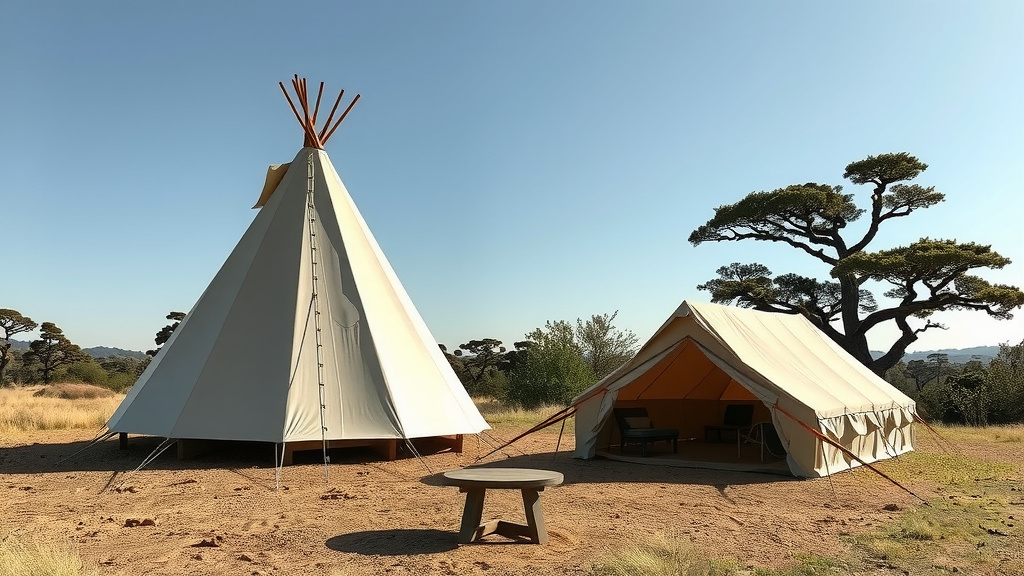
Tipi vs Wall Tent: Which Shelter is Right for You
When choosing between a tipi and a wall tent, there’s no single “winner.” The best choice depends entirely on your camping style and priorities. A tipi is excellent for portability and quick setup, while a wall tent offers more living space and durability for longer trips. Think about where you’ll be camping and what activities you’ll be doing.
Both tipi and wall tents have deep roots in outdoor living. Tipis have been used for centuries by nomadic tribes for their ease of transport and adaptability. Wall tents, on the other hand, evolved for more permanent or extended stays, offering a sturdier shelter against harsher weather. Understanding their history can help you appreciate their strengths.
- Tipi: Lightweight, fast setup, great for travel.
- Wall Tent: Spacious, durable, ideal for base camps.
- Setup Time: Tipis are generally quicker to erect.
- Weather Resistance: Wall tents often provide better protection.
- Portability: Tipis win for easy transport.
Let’s break down the key differences to help you decide which shelter is right for your next adventure.
Tipi vs. Wall Tent: Which Shelter Fits Your Adventures?
Choosing between a tipi and a wall tent means picking the right tool for your outdoor job. It’s like choosing between a fast sports car and a sturdy pickup truck. Both get you somewhere, but they do it very differently. We’ve looked at what makes each tent tick. This will help you decide which one belongs in your gear closet.
Understanding the Core Differences
The Tipi: A Nomadic Masterpiece
Imagine a cone shape, made of sturdy fabric stretched over poles. That’s a tipi in a nutshell. Its design has been perfected over centuries by plains tribes. They needed shelter that was easy to move and set up. And that’s exactly what a tipi offers.
A tipi’s shape isn’t just for looks. It’s incredibly stable in wind. The smoke flap at the top is a brilliant feature. You can adjust it to let smoke out from a fire inside. This keeps you warm and lets you cook, all while staying protected. It’s a very functional and traditional design.
The Wall Tent: Built for Living
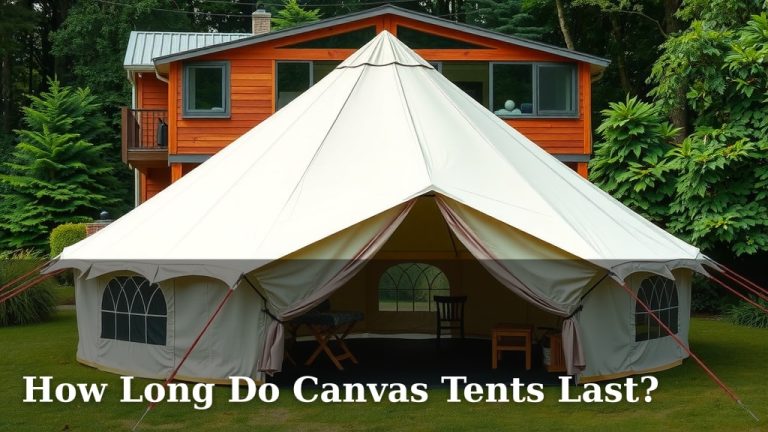
Now, think about a wall tent. It’s more like a small cabin. It has straight vertical walls and a sloped roof. This design maximizes your interior space. You can stand up and walk around easily. Wall tents are often made from heavier materials. They are built to withstand more extreme weather conditions.
The straight walls mean you can place furniture inside. Think cots, tables, and storage. This makes it feel much more like a home away from home. They offer a sense of permanence and comfort. This is why they are popular for longer camping trips or base camps.
Portability and Setup: Who Wins?
Tipi: Quick and Easy Travel
If you’re always on the move, a tipi is your friend. The poles are usually lighter than a wall tent’s. The fabric folds down compactly. Setting it up involves spreading the poles and tying them together. Then, you drape the cover. You stake it down, and you’re done. Many people can get a tipi up and ready in under 30 minutes.
The simplicity is key. You don’t need a degree in engineering to pitch one. This speed is fantastic when you arrive at camp late. Or when the weather turns foul quickly. You can get your shelter up before you get soaked. It’s a real lifesaver.
Wall Tent: More Effort, More Reward
Wall tents are generally heavier and bulkier. They require more poles and a more involved setup process. You’ll need to assemble the frame first. Then, stretch the canvas over it. This can take longer, often an hour or more for larger tents. It usually requires at least two people.
While it takes more effort, the result is a very sturdy structure. Once set up, it feels incredibly solid. It’s built to last and provides excellent shelter. This makes the extra setup time worthwhile for many campers.
Space and Comfort: Living Large or Living Light?
Tipi: Cozy and Functional Space
A tipi’s interior space is defined by its conical shape. While it might look smaller than a wall tent of similar diameter, it’s very usable. The sloped walls mean you’ll want to place your sleeping gear towards the edges. Your central area remains open for cooking or socializing. The height at the center is often generous.
Cooking inside a tipi with a controlled fire is a unique experience. The air circulates well, thanks to the adjustable smoke flap. It creates a warm, inviting atmosphere on a cold night. It feels intimate and connected to the outdoors.
Wall Tent: Room to Roam
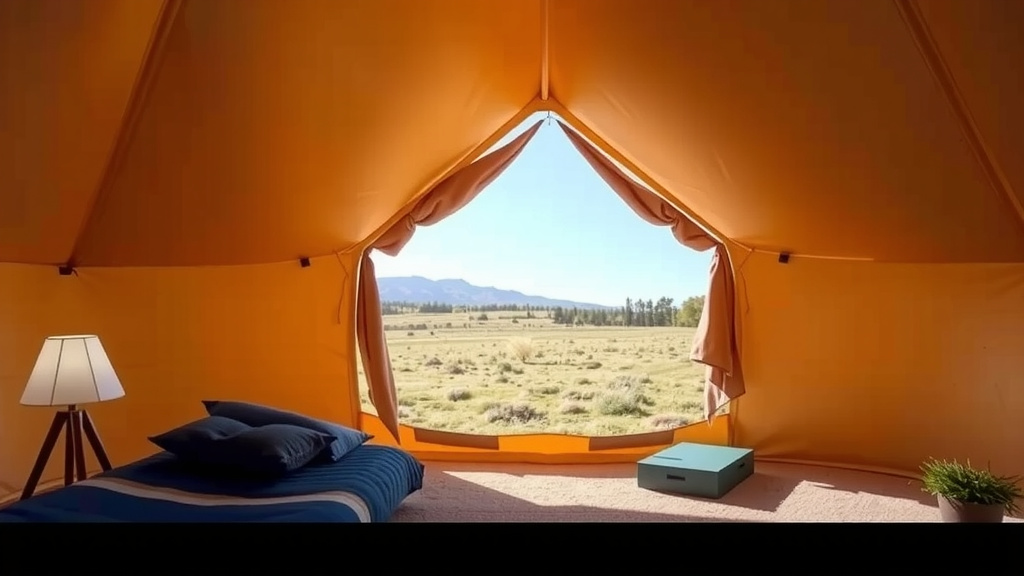
This is where wall tents really shine. Their vertical walls mean you have maximum usable space. You can stand up straight anywhere inside. This makes a huge difference for longer stays. You can set up cots, chairs, and a table. You can even organize gear with shelves or bins. It truly feels like a mobile campsite room.
Having that extra space is wonderful. You can change clothes without feeling cramped. You can play games or read a book comfortably if it rains. Many people even set up small wood stoves in their wall tents. This makes them habitable in freezing temperatures. It’s a level of comfort that’s hard to match.
Durability and Weather Resistance: Standing Up to the Elements
Tipi: Wind-Resistant Design
The conical shape of a tipi makes it naturally excellent at shedding wind. The aerodynamic design means wind flows around it. This reduces the stress on the poles and stakes. They can withstand strong gusts better than a tent with flat surfaces. The tension created by the poles also makes it very stable.
However, the fabric might be lighter than some wall tents. This can make it more susceptible to damage from sharp objects. Or from extremely heavy snow loads if not managed properly. Still, for wind, they are remarkably robust.
Wall Tent: Heavy-Duty Shelter
Wall tents are often made with heavier canvas or synthetic fabrics. This material is tough and durable. The robust frame of a wall tent can support significant weight. This includes heavy snow loads. Many designs are made to withstand harsh winters and heavy rain.
The straight walls can catch more wind if not situated properly. However, a well-pitched wall tent with strong stakes is incredibly secure. They are designed for long-term use in challenging environments. Many outfitters and hunters rely on them for this reason.
Your Tipi or Wall Tent Checklist
Before you make your final decision, consider these points:
- Do you move camp frequently?
- How much interior space do you need?
- What kind of weather do you expect?
- How much setup time are you willing to spend?
- What is your budget for a tent?
- Do you plan to cook or have a stove inside?
| Feature | Tipi | Wall Tent |
|---|---|---|
| Portability | Excellent, lightweight | Good, but heavier and bulkier |
| Setup Time | Fast (under 30 min) | Slower (1 hour+) |
| Interior Space | Functional, good height, sloped walls | Very spacious, full standing height |
| Weather Resistance | Excellent against wind | Excellent against snow, rain, heavy weather |
| Durability | Good, but fabric can be lighter | Very durable, heavy-duty materials |
| Best Use Case | Travel, short trips, wind protection | Base camps, long stays, all-weather comfort |
Conclusion
So, you’ve weighed the options between a tipi and a wall tent. We’ve seen how a tipi offers incredible portability and a unique, wind-resistant design, perfect for travelers. A wall tent, on the other hand, provides spacious living and robust protection for longer, stationary camps. Your choice truly hinges on your personal camping style. Think about where you’re headed and what kind of experience you want. Now, you’re ready to pick the shelter that will best serve your next adventure.
Frequently Asked Questions
Can I use a tipi for winter camping?
Yes, tipis can be excellent for winter camping, especially if you plan to have a fire inside. Their conical shape sheds snow well, and the adjustable smoke flap allows for ventilation. Just ensure you use a robust, winter-rated tipi with appropriate stakes for frozen ground.
Are wall tents difficult to set up alone?
Setting up a wall tent alone can be challenging due to their size and weight. It’s generally recommended to have at least two people for assembly. The frame needs to be erected and the heavy fabric stretched over it, which is much easier with an extra pair of hands.
Which type of tent is better for hunting trips?
For hunting trips where you might move camp, a tipi’s portability is a big advantage. However, if you plan to set up a base camp for an extended period and need space for gear and comfort, a wall tent would be more suitable.
How do tipis handle rain compared to wall tents?
Tipis are generally very good at shedding rain due to their sloped sides. However, the seam construction and fabric type play a significant role. Wall tents, especially those made from treated canvas, often offer superior water resistance for prolonged downpours.
What is the lifespan of a tipi versus a wall tent?
With proper care, both types of tents can last for many years. A well-maintained wall tent, often made with heavier-duty materials, might outlast a lighter-weight tipi. However, durability also depends on the specific materials used and how frequently and under what conditions they are used.
![7 Best Beach Tent Shade [2026]](https://leonardhomeoutdoor.com/wp-content/uploads/2026/08/7-best-beach-tent-shade-2026-featured-768x432.jpg)