
How Cold Is Too Cold for Tent Camping?
For most people, tent camping below 20°F (-6°C) can be too cold and potentially unsafe without proper preparation. Temperatures dipping below freezing require specialized gear and skills to stay warm and comfortable. You’ll need to consider factors like your sleeping bag’s temperature rating, your shelter’s insulation, and layering your clothing correctly to handle the extreme cold. Cold weather camping is achievable, but it demands respect for the conditions.
When you’re thinking about camping in chilly weather, remember that the “too cold” threshold isn’t a single number for everyone. It depends heavily on your personal tolerance for cold and the specific gear you bring along. Factors like wind chill, humidity, and even your physical condition play a big role. We found that being prepared is the key to enjoying your trip, even when the mercury plummets.
- The ideal minimum temperature for casual tent camping is often around 30-40°F (-1 to 4°C).
- Camping below 20°F (-6°C) requires specialized cold-weather gear.
- Factors like wind chill and humidity make it feel colder than the actual temperature.
- Proper layering and a warm sleeping bag are essential for safety.
- Your personal comfort level and experience are also important considerations.
So, let’s break down what makes camping in the cold a bit tricky and how you can make sure your next winter adventure is a blast, not a freeze! We’ll cover everything you need to know to stay safe and warm.
When Does Tent Camping Get Too Cold?
Deciding when tent camping crosses the line from chilly to downright frigid is a common question. For many, temperatures below 20°F (-6°C) are a serious consideration. Below this mark, staying warm and safe requires more than just a few extra blankets. You’ll need to think about specialized gear and smart strategies to avoid the shivers.
The truth is, there’s no single magic number for everyone. Your personal comfort level plays a huge role. What feels frigid to one person might be perfectly manageable for another. We found that experience and preparation are key factors in determining your own “too cold” temperature.
Understanding Temperature Ratings for Gear
Your gear’s temperature rating is your first line of defense against the cold. Sleeping bags are typically rated for a specific temperature, but this can be a bit misleading. Many ratings indicate the lowest temperature at which a “standard” user can sleep without waking up from cold. This assumes you’re wearing appropriate layers inside the bag and are a “warm sleeper.”
Sleeping Bag Temperature Ratings Explained
You’ll often see three types of ratings::
- Comfort Rating: This is the lowest temperature at which a typical adult can sleep comfortably. This is often the most useful rating for general campers.
- Limit Rating: This is the lowest temperature at which a sleeping bag is rated to protect an average adult. You might still feel cold.
- Extreme Rating: This indicates the temperature at which a “cold sleeper” can survive for a short period. It’s not about comfort, but about avoiding hypothermia. We recommend ignoring this rating for comfort.
For camping below 30°F (-1°C), you’ll want a bag with a comfort rating of 20°F (-6°C) or lower. If you’re heading out when it’s closer to 0°F (-18°C), look for a bag rated at 0°F (-18°C) or even -20°F (-29°C) for comfort (Mayo Clinic).
Tent Insulation and Wind Protection
Your tent itself can offer some protection. Four-season tents are built with sturdier poles and thicker fabrics to withstand snow load and strong winds. They often have less mesh than three-season tents, which helps trap heat inside.
However, even a basic tent offers a microclimate. It shields you from the direct wind. We found that wind chill can make the actual air temperature feel much colder. A tent, even a simple one, can reduce the impact of that wind chill significantly. Think of it as a small, personal windbreak.
The Impact of External Factors
It’s not just the thermometer reading that matters. Several environmental factors can make it feel much colder than it is.
Wind Chill: The Invisible Enemy
Wind is a major player in how cold you feel. When the wind blows, it strips away the thin layer of warm air that surrounds your body. This is known as wind chill. On a 20°F (-6°C) day, a 15 mph wind can make it feel like 0°F (-18°C) or even colder (National Weather Service).
This is why packing windproof layers is so important. Even if the air temperature isn’t extremely low, a strong wind can lead to discomfort and a rapid drop in body temperature if you’re not protected.
Humidity and Precipitation: Cold’s Allies
Humidity can also amplify the cold. When there’s a lot of moisture in the air, it can make everything feel damper and colder. Wet clothing loses its insulating properties much faster. This is why staying dry is incredibly important when camping in cold weather.
Rain or snow, even light amounts, can be a big problem. If your gear gets wet, it won’t keep you as warm. This can lead to a dangerous situation where your body struggles to maintain its core temperature.
Your Personal Comfort Zone and Experience
We all have a different tolerance for cold. Factors like your age, fitness level, body fat percentage, and even how recently you’ve eaten can affect how you handle low temperatures.
Building Your Cold Weather Tolerance
If you’re new to cold weather camping, it’s wise to start gradually. Try car camping in chilly weather first. This allows you to easily retreat to your vehicle if you get too cold. As you gain experience, you can venture further and handle colder conditions.
Many experienced campers have developed a keen sense for their own limits. They know when to push and when to play it safe. Research and found that beginners should err on the side of caution. It’s better to be a little too warm than dangerously cold.
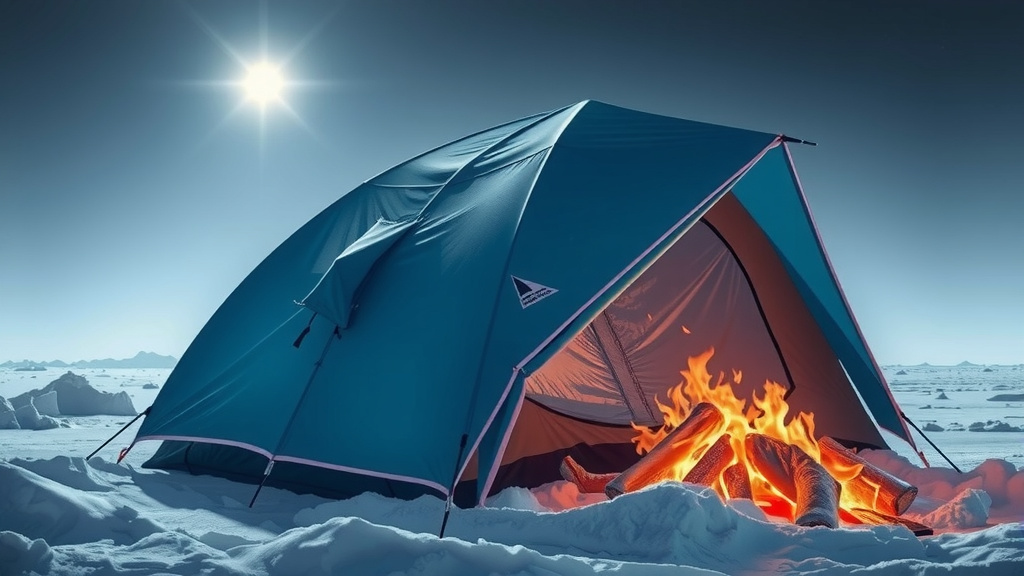
When to Call It Too Cold for Tent Camping
So, when should you seriously reconsider your camping plans due to cold?
- Temperatures consistently below 0°F (-18°C): Unless you have top-tier winter camping gear and extensive experience, this is pushing it for tent camping.
- When wind chill drops below -10°F (-23°C): Even with good gear, prolonged exposure in these conditions can be risky.
- If you’re not properly equipped: Don’t attempt cold weather camping without a suitable sleeping bag, insulated sleeping pad, and appropriate clothing layers.
- When the forecast includes heavy precipitation: Wet cold is much more dangerous than dry cold.
- If you’re feeling unwell or tired: Your body has less energy to regulate its temperature when it’s stressed.
We found that listening to your body is the best gauge. If you’re feeling persistent shivers, numbness, or extreme fatigue, it’s time to pack up or seek shelter. Safety first, always!
Essential Cold Weather Camping Checklist
To help you stay warm and safe, here’s a quick checklist to review before you head out:
- Insulated Sleeping Pad: Crucial for preventing heat loss to the frozen ground.
- 4-Season Tent: Or a sturdy 3-season tent with good wind resistance.
- Warm Sleeping Bag: Rated well below your expected lowest temperature.
- Layered Clothing: Base, mid, and outer layers made of wool or synthetics.
- Insulated Headwear and Gloves: Essential for preventing heat loss.
- Hot Water Bottle: A simple way to warm your sleeping bag.
Conclusion
Tent camping in the cold is an adventure, but it demands your respect and preparation. We’ve learned that the “too cold” point is personal, but generally, below 20°F (-6°C) requires serious gear and strategy. Always prioritize understanding your sleeping bag’s real comfort rating, and never underestimate the impact of wind chill and humidity. Building your tolerance gradually and listening to your body are your best defenses. Before your next chilly outing, make sure you have your essential cold-weather checklist items packed. Now, plan your trip with confidence, knowing you’re ready for the cold!
Frequently Asked Questions
What’s the minimum temperature I can camp in without special gear?
For casual tent camping, a comfortable range is often between 30-40°F (-1 to 4°C). Without specialized cold-weather gear, pushing much below this can lead to discomfort and potential health risks. You’ll want to focus on good layering and a decent sleeping bag.
How much colder does wind make it feel when camping?
Wind chill can drastically lower the perceived temperature. Research shows that even a moderate wind can make a 20°F (-6°C) day feel like it’s 0°F (-18°C) or colder. This is why windproof outer layers and choosing a sheltered campsite are so important.
Is a 3-season tent okay for cold weather camping?
A sturdy 3-season tent can work for chilly conditions, especially if it’s protected from wind. However, it won’t trap heat as well as a 4-season tent and might struggle in heavy snow or strong winds. Ensure you have a good sleeping bag and pad.
Why is staying dry so important when camping in the cold?
Wet clothing loses its insulating properties very quickly, making you feel much colder and increasing the risk of hypothermia. Even light rain or snow can be dangerous if your gear becomes saturated. Always pack waterproof outer layers and keep your sleeping area dry.
I’m new to cold camping. What’s the safest way to start?
Begin with car camping in cool, but not freezing, temperatures. This allows you to easily access your car for warmth if needed. As you gain experience, you can try overnight trips further from your vehicle. Gradually increasing your exposure will help you learn your personal limits.

![7 Best Canvas Tent With Stove Jack [2026]](https://leonardhomeoutdoor.com/wp-content/uploads/2026/08/7-best-canvas-tent-with-stove-jack-2026-featured-768x432.jpg)
![7 Room Tent [2026]](https://leonardhomeoutdoor.com/wp-content/uploads/2026/08/7-room-tent-2026-featured-768x432.jpg)