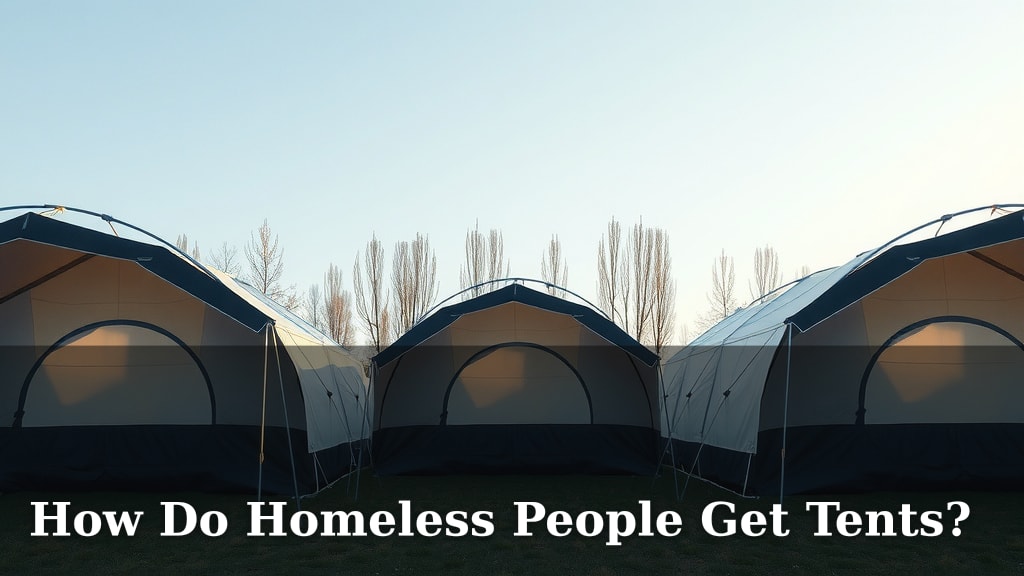
How Do Homeless People Get Tents?
Homeless people get tents through a variety of avenues, often a combination of donations from charities, churches, and community outreach programs. Many also receive them from individual donors and mutual aid networks. Sometimes, tents are purchased by individuals from their limited funds or acquired through government assistance programs. We found that the availability often depends on local resources and organized efforts.
The need for shelter is immediate for those experiencing homelessness. Tents offer a basic form of protection from the elements when other options are unavailable. These essential items are distributed to help individuals and families facing housing insecurity find a temporary safe space. The process relies heavily on the generosity of others and the efforts of organizations dedicated to aiding this population.
- Tents are primarily obtained through donations from charities and individuals.
- Community outreach programs and faith-based organizations are key distributors.
- Some individuals may purchase tents if they have the financial means.
- Local shelters and services sometimes offer tents as part of their aid.
Let’s take a closer look at the specific ways people experiencing homelessness acquire tents and the organizations that help make this possible.
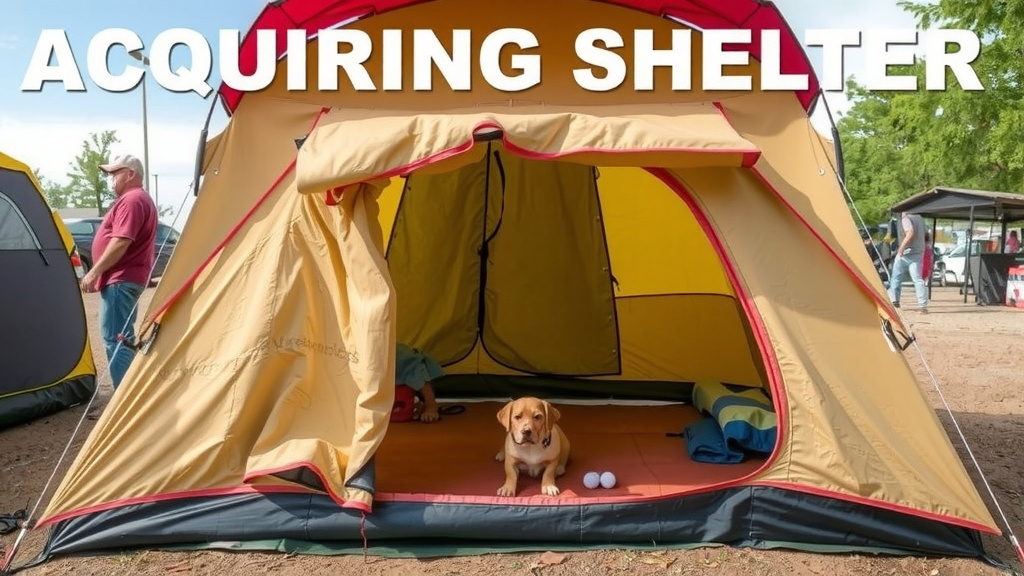
“`htmlAcquiring Shelter: How People Experiencing Homelessness Obtain Tents
Tents are a vital resource for individuals facing homelessness. They offer immediate protection from the weather. Many people get these essential items through organized efforts. We found that donations play a huge role. Outreach programs connect people with these resources. It’s a system built on community support.
Charitable Organizations and Non-Profits: A Major Source
Many homeless individuals receive tents from charitable organizations. These groups often receive bulk donations. They then distribute tents to those in need. Think of places like the Salvation Army or local homeless shelters. They are often on the front lines. We found that these organizations rely heavily on public generosity.
How These Organizations Operate
These charities collect donations from individuals and businesses. Sometimes, they purchase tents in large quantities. They then give them away for free. Distribution happens at outreach events or directly at shelters. Many experts say this is a primary way tents reach people (National Alliance to End Homelessness).
What to Donate
When donating, it’s good to know what’s most useful. Durable, weather-resistant tents are best. Easy-to-set-up models are also preferred. Many organizations list specific needs on their websites. It’s always good to check first. Your donation can make a real difference.
Faith-Based Communities and Churches
Churches and other religious institutions are also big helpers. Many have outreach ministries. These ministries focus on supporting vulnerable populations. They often collect and distribute tents. These groups are sometimes more localized. They can provide a personal touch.
Local Impact of Faith Groups
We found that faith-based groups often work directly within their communities. This means they can identify local needs quickly. They might partner with other organizations too. Their network can be quite extensive. It’s a wonderful way for people to help neighbors.
Community Outreach and Street Teams
Specialized outreach teams actively seek out those experiencing homelessness. These teams are often mobile. They carry essential supplies like tents. They go to encampments or known gathering spots. Their goal is to provide immediate aid. They build trust with people on the streets.
The Role of Street Outreach
Street outreach workers are trained professionals. They understand the challenges people face. They don’t just give out a tent. They offer a connection to services too. They might help with shelter applications or hygiene kits. It’s a holistic approach to aid. We found that this direct contact is incredibly important.
Mutual Aid Networks and Grassroots Efforts
Sometimes, help comes from everyday people. Mutual aid networks organize through social media. They coordinate donations and distribution among themselves. These efforts are often very agile. They can respond quickly to urgent needs. It’s community helping community.
How Mutual Aid Works
People share needs and resources online. A call might go out for tents. Someone who has one offers it up. Others chip in for supplies. This can happen very fast. It bypasses some of the larger, slower systems. We found that these networks are growing in popularity.
Individual Donors and Direct Giving
Sometimes, individuals want to help directly. They might see someone in need and offer a tent. Or they might connect with outreach groups. Purchasing a tent for someone is a powerful act of kindness. It provides immediate relief. It shows that someone cares.
Purchasing Tents Independently
While donations are common, some individuals might purchase their own tents. This is more likely if they have some limited funds. They might get a used tent from a thrift store or online marketplace. It’s not always easy to afford. But for some, it’s the only option they have. This shows great resourcefulness. We found that this is less common than receiving donations.
Government Assistance and Programs
Government agencies do get involved. They might fund organizations that distribute tents. Sometimes, there are specific programs for emergency shelter. These programs can provide tents as part of a larger aid package. But these resources can be limited. Availability varies greatly by location. Many experts say these programs are essential but often underfunded (U.S. Department of Housing and Urban Development).
Emergency Shelter Initiatives
In disaster situations or extreme weather, governments might step in. They could set up temporary encampments. Tents would be provided as part of that effort. These are usually short-term solutions. They aim to keep people safe during crises.
What You Can Do to Help
Are you wondering how you can contribute? Your support is needed. Here’s a quick checklist:
- Donate a new or gently used tent to a local shelter.
- Volunteer with a street outreach team.
- Organize a tent drive in your community or workplace.
- Spread the word about organizations that need supplies.
- Offer direct assistance if you feel safe doing so.
- Advocate for better housing solutions in your area.
We found that many different pathways lead to tents for those who need them. It’s a combination of organized aid and community spirit. Every bit of help matters.
“`
Conclusion
You’ve learned that people experiencing homelessness get tents through a network of support. Charities, faith groups, and outreach teams are major sources. Mutual aid and individual kindness also play a big role. While government programs exist, they often need more funding. Your contribution, whether through donations or volunteering, makes a real difference in providing immediate shelter. Consider reaching out to a local organization today to see how you can help directly.
Frequently Asked Questions
Are tents the only shelter option for homeless individuals?
No, tents are just one form of immediate shelter. Many aim for temporary shelter beds in public or private shelters. Others might find unsheltered spots or use makeshift coverings. The goal is always safety and protection from the elements.
Can I donate a tent directly to someone experiencing homelessness?
While direct giving can feel impactful, it’s often safer and more effective to donate through established organizations. They know the specific needs and can ensure the tent reaches someone who truly needs it. They also understand the best times and locations for distribution.
What makes a tent a good donation for someone in need?
Durable, waterproof tents are best. Look for models that are easy to set up and take down. Larger tents that can fit more than one person are also often appreciated. Check with donation centers as they may have specific requests based on local climate and needs.
How do street outreach teams find people to give tents to?
Street outreach teams are dedicated professionals who patrol areas where homeless individuals are known to gather. They build relationships and trust within the community. This allows them to identify people in need and offer assistance, including tents and other essential supplies.
Are there specific government programs that provide tents?
While direct government programs that *only* provide tents are rare, government funding often supports the non-profits and shelters that do distribute them. In emergency situations, like natural disasters, government agencies may set up temporary encampments that include tents.


![7 Best Air Conditioner For A Tent [2026]](https://leonardhomeoutdoor.com/wp-content/uploads/2026/07/7-best-air-conditioner-for-a-tent-2026-featured-768x432.jpg)