How Do Oktoberfest Tents Work?
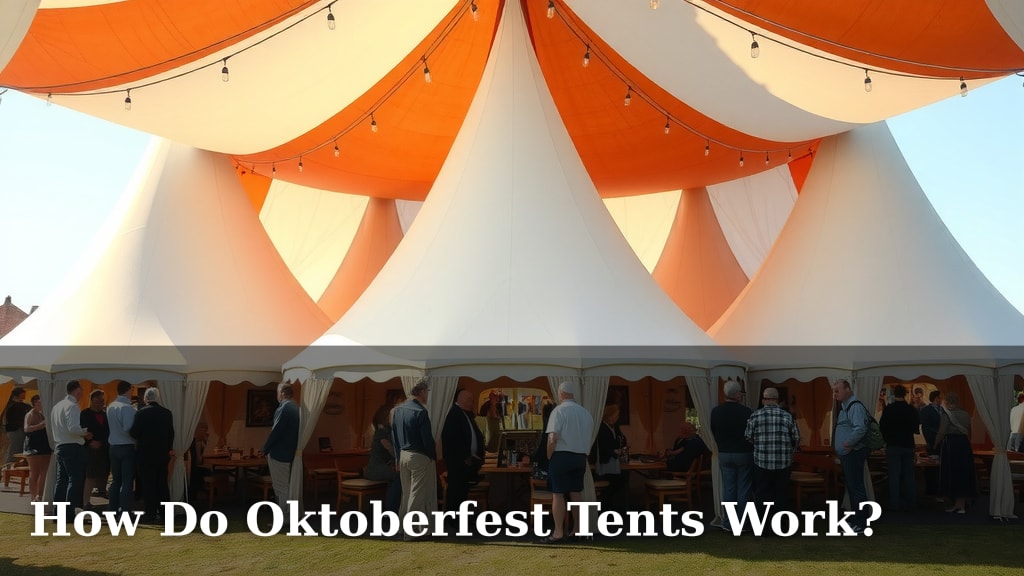
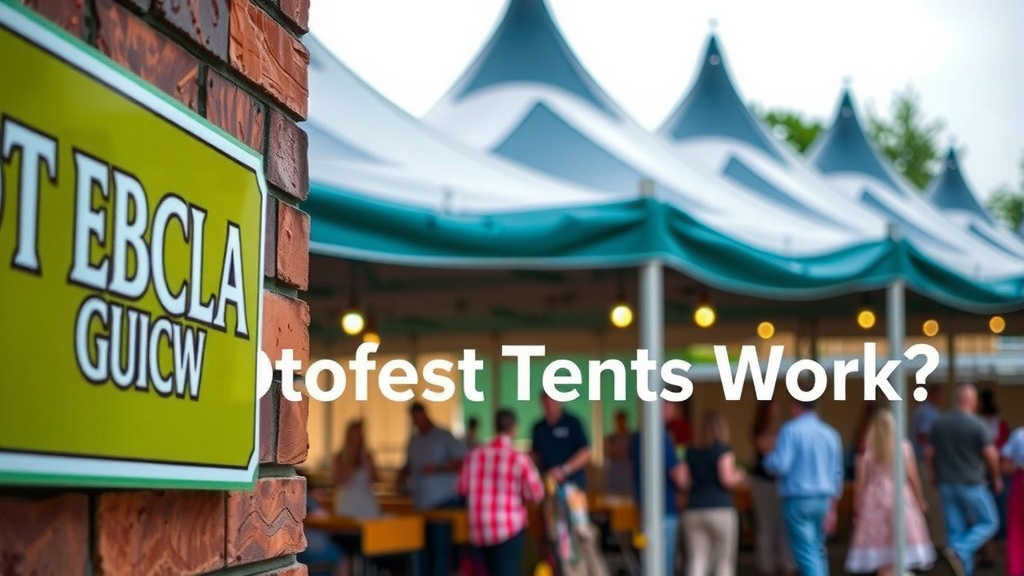
Oktoberfest tents, or Bierzelte, work by using a massive, reinforced frame to support a large canvas covering. This ingenious design allows them to be assembled and disassembled relatively quickly. They’re built to withstand weather and host thousands of people enjoying beer and food, serving as temporary, yet iconic, event spaces.
These structures are more than just big tents; they are elaborate, temporary beer halls. Think of them as enormous, pop-up pubs. They are engineered for high winds and heavy rain, ensuring the party can continue inside. Their sheer scale is a marvel of event engineering, making them a central part of the Oktoberfest experience.
- Oktoberfest tents are large, temporary structures.
- They use a strong frame covered by canvas.
- Engineered to be sturdy and host huge crowds.
- Designed for quick setup and takedown.
- Key to the iconic Oktoberfest atmosphere.
Ready to get the full picture? Below, we’ll break down exactly how these massive tents are constructed and what makes them so special.
Understanding Oktoberfest Tent Construction
Ever wondered how those massive beer tents at Oktoberfest magically appear and disappear? They’re not built by elves, though it might seem that way! These temporary structures are an amazing feat of engineering. We found that their design balances immense size with surprising mobility.
The Frame: The Tent’s Skeleton
At the heart of every Oktoberfest tent is its robust frame. Think of it like the steel skeleton of a skyscraper, but designed for temporary use. This framework is typically made of strong, galvanized steel. It’s engineered to support the immense weight of the canvas roof and walls. It also needs to withstand powerful winds and the jostling of thousands of revelers.
Materials and Design
The steel components are usually modular. This means they can be easily assembled and disassembled. Special connectors and locking mechanisms ensure a secure fit. We found that different tent manufacturers might use slightly different frame designs. However, the core principle remains: a strong, adaptable skeleton.
The Canvas: The Tent’s Skin
The outer covering is what gives the tents their iconic look. This isn’t just any old tarp! We learned that the canvas used is usually a heavy-duty, waterproof polyester or PVC-coated fabric. It’s designed to be tough and weather-resistant. This material keeps the rain out and the warmth in.
Weatherproofing and Durability
The fabric is treated to resist UV rays and mildew. This is important because the tents stand for weeks. Seams are often reinforced and sealed. This prevents leaks, which are a major concern during Munich’s unpredictable autumn weather. The sheer volume of fabric required is staggering, often covering thousands of square meters.
Engineering for Capacity and Safety
These tents aren’t just big; they’re built to be safe spaces for huge crowds. We found that safety regulations are incredibly strict. Every aspect of their construction is designed with public safety in mind.
Supporting Thousands of People
The interior is set up to comfortably seat thousands of people. Long wooden tables and benches fill the space. There’s also a designated area for bands and service staff. The frame design ensures there are no obstructive poles in the main seating areas. This provides an unimpeded view of the entertainment. It also makes navigating the space easier.
Load Bearing and Stability
Engineers meticulously calculate the load-bearing capacity of the frame. This includes the weight of people, tables, chairs, and even the beer kegs! They also factor in wind loads. The tents are anchored securely to the ground. This is absolutely critical for preventing any movement or collapse, especially in gusty conditions.
Fire Safety Measures
Fire safety is another huge consideration. We found that the materials used for the canvas are often flame-retardant. There are multiple emergency exits clearly marked. Staff are trained in emergency procedures. These measures are vital for ensuring everyone’s safety in a crowded environment.
The Assembly and Disassembly Process
You might think building something this large takes months. Surprisingly, it’s much faster! We found that efficiency is key to the entire operation.
Speedy Setup
The modular nature of the steel frame allows for rapid assembly. Teams of workers, often called “Zeltbauer” (tent builders), work systematically. Cranes are used to lift the large frame sections into place. Once the frame is up, the canvas is stretched over it and secured. This entire process can take a matter of days, not weeks.
Disassembly is Just as Quick
Taking the tents down is also a carefully orchestrated process. The canvas is removed first. Then, the steel frame is carefully dismantled piece by piece. This allows the Theresienwiese fairground to be used for other events or return to its normal state relatively quickly. It’s a testament to the smart design.
Here’s a quick rundown of what makes these tents work:
- Strong Steel Frame: The backbone of the structure, providing support and stability.
- Durable Canvas: Waterproof, weather-resistant material to keep everyone dry and comfortable.
- Modular Design: Allows for efficient assembly and disassembly.
- Engineering Calculations: Ensuring the tent can handle crowds, wind, and weather.
- Safety Features: Including emergency exits and fire-retardant materials.
- Skilled Workforce: Teams that specialize in building these massive structures.
So, the next time you’re enjoying a Maß of beer inside one of these legendary tents, you can appreciate the incredible engineering and hard work that went into its creation. It’s a complex system designed for fun and safety!
Conclusion
So, you now understand the impressive engineering behind Oktoberfest tents. You’ve seen how their sturdy steel frames and durable canvas create those iconic, temporary beer halls. The careful planning for crowd safety and efficient setup makes it all possible. These tents are a marvel of temporary architecture. Now that you know how they work, you can truly appreciate the scale and effort involved the next time you visit one. Consider planning your own trip to experience the magic firsthand!
Frequently Asked Questions
How are the Oktoberfest tents anchored to the ground?
The tents are anchored using heavy-duty stakes driven deep into the ground. These are connected to the main steel frame. This ensures they can withstand strong winds and the movement of large crowds. Engineers calculate the precise anchoring needed for stability.
Can you rent an Oktoberfest tent for private events?
While the large, main tents at the official Oktoberfest are not for private rental, smaller, similar tent structures can be rented for private parties or corporate events. You would typically work with specialized event rental companies for these.
What happens to the tents after Oktoberfest?
After Oktoberfest concludes, the tents are carefully disassembled by specialized crews. The steel frames are taken apart piece by piece, and the canvas is cleaned and stored. This allows the fairground to be used for other purposes.
Are the tent materials safe if there’s a fire?
Yes, fire safety is a top priority. The canvas materials used are often treated to be flame-retardant. Additionally, the tents are designed with multiple clearly marked emergency exits and staff are trained to manage evacuations.
How many people can fit inside a typical Oktoberfest tent?
The capacity varies depending on the tent’s size. However, the largest tents at Oktoberfest can seat several thousand people at a time. They are designed to accommodate a massive number of guests comfortably and safely.