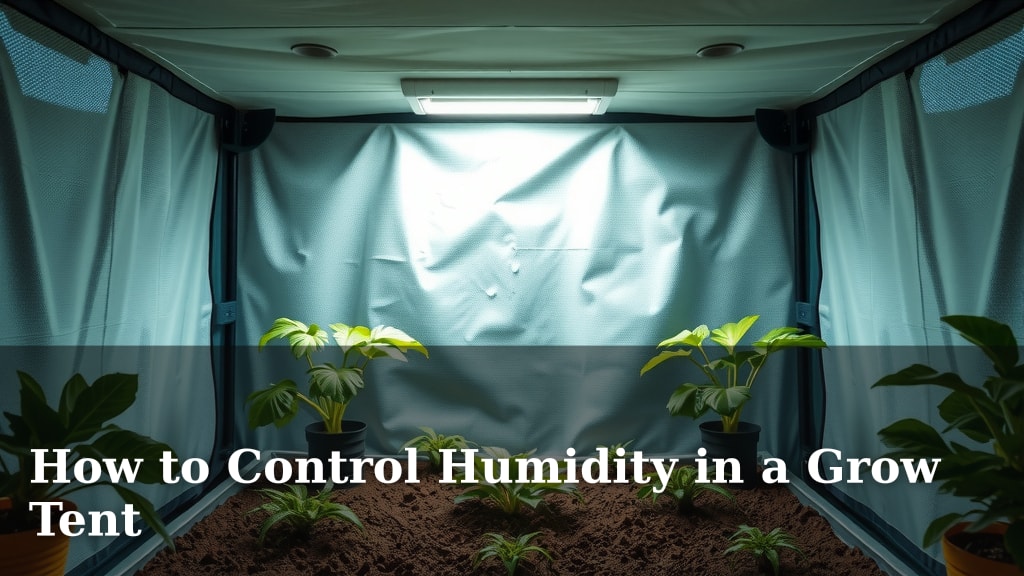
How to Control Humidity in a Grow Tent
Controlling humidity in your grow tent is essential for happy, healthy plants. You can manage your tent’s humidity by carefully balancing ventilation, using a dehumidifier or humidifier, and monitoring your plants’ needs. Getting the right moisture level helps prevent mold and supports optimal growth. Many growers find that a consistent approach is key.
Why is humidity so important, you ask? Too much moisture can lead to dangerous mold and mildew on your plants. Not enough, and your plants might struggle to thrive. We found that maintaining a humidity range between 40-60% is often recommended for most indoor gardens. This sweet spot supports healthy transpiration and nutrient uptake. Finding this balance requires attention to detail.
- Use exhaust fans and intake vents for airflow.
- Consider a dehumidifier for high humidity.
- Add a humidifier if the air is too dry.
- Monitor humidity levels with a hygrometer.
- Adjust based on your plants’ growth stage.
Below, we’ll walk you through the simple steps and tools you can use to keep your grow tent’s humidity perfectly dialed in.
Mastering Your Grow Tent’s Humidity Levels
Keeping your grow tent’s humidity just right is key for healthy plants. It’s like finding the perfect temperature for your home – not too hot, not too cold. We found that humidity plays a big role in how well your plants grow and stay healthy.
Understanding the Role of Ventilation
Good airflow is your first line of defense. Think of it as your grow tent’s lungs. Proper ventilation moves stale air out and brings fresh air in. This constant exchange helps regulate humidity and temperature.
How Exhaust Fans Help
An exhaust fan pulls humid air out of your tent. You should aim for a fan that can exchange the air in your tent at least once a minute. This prevents moisture from building up. We found that sizing your fan correctly is important. Too small, and it won’t be effective. Too large, and it can dry things out too quickly.
The Importance of Intake Vents
Passive intake vents allow fresh air to enter your tent. These are often simple openings. When your exhaust fan is running, it creates negative pressure. This pulls air in through your intake vents. Some growers use smaller fans to push air into the tent for more active control. This helps maintain a steady air supply.
Maintaining Optimal Air Exchange Rates
The goal is to achieve a balance. You want enough air exchange to manage humidity but not so much that you dry out your plants. Many experts recommend exchanging the air in your tent 1 to 3 times per minute, depending on your setup and plant needs (NCBI).
Using Humidifiers and Dehumidifiers Wisely
Sometimes, nature needs a little help. You might need to add or remove moisture from the air. This is where humidifiers and dehumidifiers come in. They are your tools for fine-tuning the environment.
When to Use a Humidifier
If your grow tent is too dry, your plants might show it. Leaves can curl or droop. A humidifier adds moisture to the air. These come in different sizes. For smaller tents, a small ultrasonic humidifier works well. For larger spaces, you might need a larger unit. We found that cool mist humidifiers are generally safer for grow tents.
When to Use a Dehumidifier
On the flip side, too much humidity is a grower’s nightmare. It can lead to mold and mildew, which can destroy your crop. A dehumidifier removes moisture from the air. These can be essential in humid climates or during certain plant growth stages. You’ll want to choose a dehumidifier that fits your tent size. Many units have adjustable settings, which is a big plus.
Sizing Your Dehumidifier
A dehumidifier that’s too small won’t keep up with the moisture. One that’s too large can dry the air out too much. Always check the manufacturer’s recommendations for the square footage it can handle. We found that portable dehumidifiers are popular for grow tents because they are easy to move and manage.
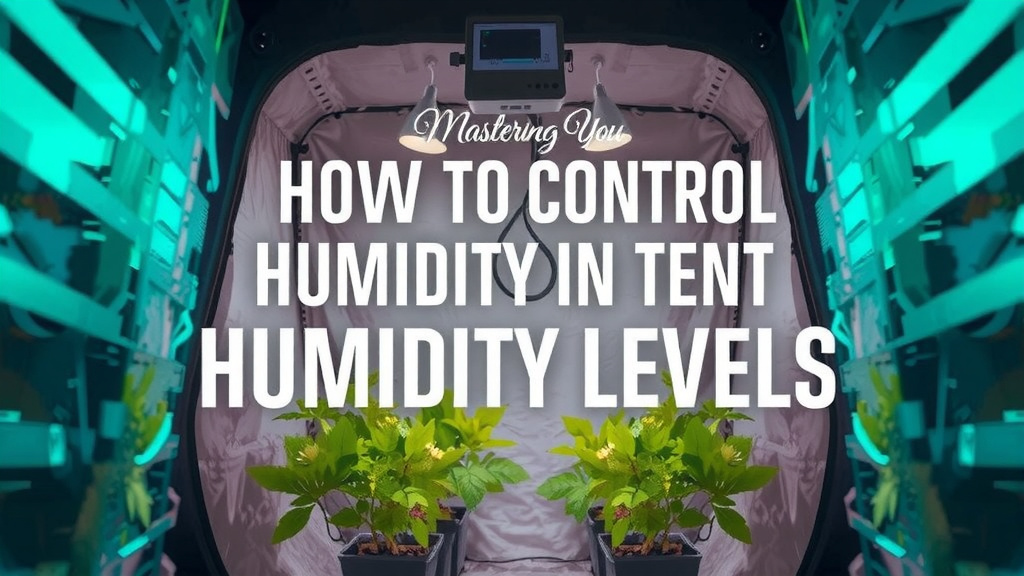
Monitoring Humidity Levels Accurately
You can’t manage what you don’t measure. A hygrometer is your best friend here. It’s a small device that tells you the exact humidity level in your tent. It often measures temperature too, which is also important.
Choosing the Right Hygrometer
There are digital and analog hygrometers. Digital ones are generally more accurate and easier to read. Some even record data, which can help you track trends. We found that placing your hygrometer at canopy level gives you the most relevant reading for your plants. Avoid placing it directly in front of an air intake or exhaust, as this can skew the results.
Interpreting Humidity Readings
As mentioned, the ideal range is typically 40-60% relative humidity. Seedlings and young plants may prefer the higher end of this range. As plants mature and especially during flowering, you’ll want to lower the humidity. This helps prevent mold and encourages resin production. Research indicates that precise control can lead to better yields and quality (CDC).
Adjusting for Plant Needs and Growth Stages
Your plants’ humidity needs change as they grow. It’s not a set-it-and-forget-it situation. You need to be adaptable. Think of it like adjusting your thermostat throughout the year.
Humidity Needs for Seedlings and Clones
Young plants are delicate. They have a harder time retaining moisture. They generally thrive in higher humidity, often between 60-70%. This helps them develop strong root systems before they can take up water efficiently. You might use a humidifier or a humidity dome for this stage.
Humidity During Vegetative Growth
As your plants get bigger, they can handle slightly lower humidity. The vegetative stage often calls for a range of 50-60%. This range still supports good growth without being excessively moist.
Humidity Needs During Flowering
This is a critical stage for humidity control. As buds begin to form, high humidity becomes a major risk. It can lead to bud rot and mold. Many growers aim for 40-50% humidity during flowering. Lowering humidity helps prevent fungal diseases and can even encourage terpene production. This is where a good dehumidifier really proves its worth.
Here’s a quick checklist to keep your humidity in check:
- Set up your exhaust fan and intake vents for good airflow.
- Use a hygrometer to monitor humidity levels constantly.
- Add a humidifier if the air is too dry.
- Run a dehumidifier if the air is too moist.
- Adjust humidity targets based on your plants’ growth stage.
- Clean your humidifier/dehumidifier regularly to prevent mold.
Conclusion
You’ve learned that mastering humidity in your grow tent is achievable with a focused approach. By balancing your ventilation system, knowing when to deploy a humidifier or dehumidifier, and consistently monitoring with a hygrometer, you can create an optimal environment. Remember that your plants’ needs will change as they grow, especially from seedling to flowering stages. Keep these principles in mind, and you’ll be well on your way to healthier plants and better yields. Your next step is to assess your current setup and make any necessary adjustments to your equipment or routines.
Frequently Asked Questions
How often should I check my grow tent’s humidity?
You should monitor your grow tent’s humidity daily, especially when you are first setting up your system or during critical plant growth stages. A good hygrometer will make this quick and easy. Consistent checking allows you to catch issues before they become major problems.
Can I use a simple household humidifier or dehumidifier?
Yes, you can often use household units, but sizing is key. Make sure the unit is appropriate for the square footage of your grow tent. Be aware that some household units may not have the precise control needed for sensitive plants, but they can be a good starting point.
What happens if my grow tent’s humidity is too low for too long?
If your grow tent’s humidity is consistently too low, your plants may experience stunted growth. You might notice wilting leaves or slowed nutrient uptake. This is why maintaining the recommended humidity range is so important for plant health.
Is it okay to have slightly different humidity levels at different heights in my tent?
It’s natural for humidity to vary slightly by height due to air circulation and heat. However, you want to keep the overall range within your target. Place your hygrometer at canopy level for the most relevant reading for your plants.
How do I prevent mold and mildew if I have high humidity problems?
The best way to prevent mold and mildew is through excellent ventilation and humidity control. Using a dehumidifier to bring levels down into the 40-50% range, especially during flowering, is crucial. Ensure good airflow around your plants to prevent stagnant, moist pockets.
![7 Best Air Beam Tents [2026]](https://leonardhomeoutdoor.com/wp-content/uploads/2026/07/7-best-air-beam-tents-2026-featured-768x432.jpg)

![7 Best Backpacking Tents 2024 [2026]](https://leonardhomeoutdoor.com/wp-content/uploads/2026/08/7-best-backpacking-tents-2024-2026-featured-768x432.jpg)
![7 Best Budget Waterproof Tent [2026]](https://leonardhomeoutdoor.com/wp-content/uploads/2026/08/7-best-budget-waterproof-tent-2026-featured-768x432.jpg)