
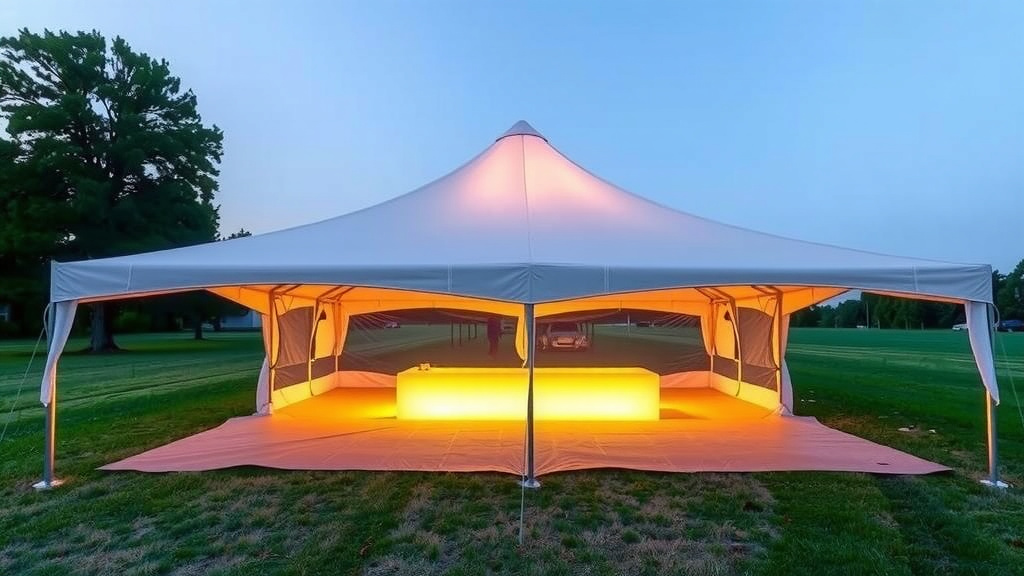
Instant Tent vs Regular Tent: Which is Right for You
Choosing between an instant tent and a regular tent depends on your camping priorities. Instant tents offer quick setup in minutes, perfect for those who want to relax faster. Regular tents, while requiring more time to pitch, often provide greater durability and more space for their weight. We found that for convenience, especially with families or gear, the instant tent is a strong contender if setup speed is your main goal.
Your camping experience can be greatly improved by selecting the right tent. We’ve researched how different tent types impact your trip. An instant tent prioritizes speed and ease. A regular tent typically offers more robust construction and better weather resistance. Many campers find that the trade-offs between these two styles are well worth understanding before your next adventure.
TL;DR:
- Instant tents: Set up in minutes, great for speed.
- Regular tents: Take longer to pitch, often more durable.
- Consider your priorities: speed vs. longevity.
- Both have pros and cons for different camping styles.
Let’s break down the key differences between instant and regular tents so you can pick the best one for your next outdoor escape.
Choosing Your Camping Shelter: Instant vs. Traditional Tents
When you’re planning your next camping trip, one of your biggest decisions is what kind of tent to bring. You’re likely weighing the quick setup of an instant tent against the potential benefits of a more traditional model. We’ve looked into how each type performs so you can make the best choice for your outdoor adventures.
Let’s get into the nitty-gritty of what sets these two popular tent styles apart. It’s not just about how fast you can get it up; it’s also about how it holds up when you’re out in nature.
The Allure of the Instant Tent
Instant tents are designed with one primary goal in mind: speed. You know that feeling when you arrive at the campsite, and you just want to get your gear inside and start relaxing? Instant tents deliver on that desire.
How Fast Can You Really Set Up an Instant Tent?
The name says it all – these tents are built for quick assembly. We found that many instant tents can be set up in under five minutes. Some models even claim setup times of 60 seconds or less! This is often achieved through integrated poles that are already attached to the tent fabric. You simply extend them, and they lock into place.
It’s like magic happening right before your eyes. You unfold it, give it a bit of a push, and *poof* – shelter! This makes them fantastic for families with impatient kids or for those who simply don’t want to spend precious camping time wrestling with poles and stakes.
Who Benefits Most from an Instant Tent?
We see instant tents as a great option for several types of campers. Casual campers who visit campgrounds a few times a year often appreciate the ease. If you’re heading to a music festival and want to set up camp quickly after a long drive, an instant tent is a lifesaver. For families, especially those with younger children, getting everyone under cover fast is a huge advantage.
Imagine arriving at your campsite after a long day. The sun is starting to dip, and everyone is tired. With an instant tent, you can have your sleeping quarters ready in just a few minutes, leaving more time for campfire stories and s’mores.
Understanding the Traditional Tent
On the other side of the spectrum, we have the regular, or traditional, tent. These are the tents many of us grew up with. They consist of separate poles, fabric, and a rainfly that you assemble piece by piece.
The Setup Process for Regular Tents
Setting up a traditional tent usually involves inserting poles into sleeves or clipping them onto the tent body. You then attach the rainfly and stake everything down. While it takes longer than an instant tent, this process offers more control over the tent’s structure and tension.
We’ve found that experienced campers can often pitch a regular tent in 10-15 minutes. For newcomers, it might take a bit longer, especially in windy conditions. Many find that the assembly process becomes second nature after a few trips, turning it into a familiar ritual.
Advantages of Traditional Tent Construction
Traditional tents often have a reputation for being more durable. This is sometimes due to their simpler, yet robust, pole structures and the way the fabric is designed. Many regular tents are built with higher-quality materials that can withstand tougher weather conditions. They also tend to offer better ventilation options.
We’ve seen that the separate components of a regular tent can make them easier to repair. If a pole breaks, you can often replace just that single pole. The fabric may also be more resistant to tears and UV damage over time, a point often backed by camper reviews.
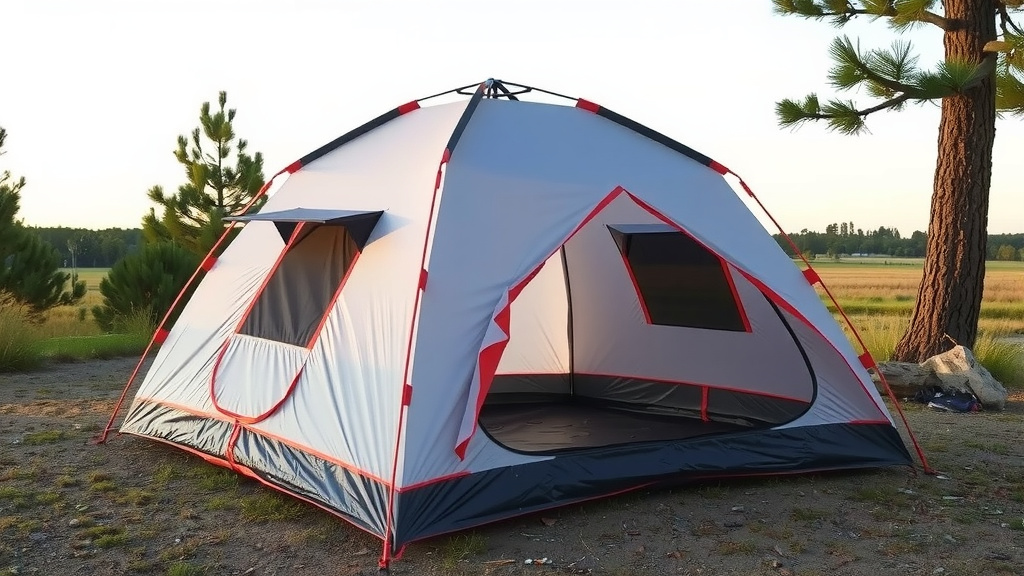
Comparing Key Features: Instant vs. Regular
To help you visualize the differences, let’s break down some of the most important aspects campers consider.
| Feature | Instant Tent | Regular Tent |
|---|---|---|
| Setup Speed | Very Fast (minutes) | Slower (10-20 minutes) |
| Portability/Weight | Can be heavier due to integrated poles | Often lighter for comparable size |
| Durability | Good, but integrated poles can be a weak point | Often excellent, robust construction |
| Weather Resistance | Varies greatly by model | Generally very good, often better in wind |
| Space Efficiency | Can be bulky when packed | Often packs down smaller |
| Ease of Repair | More difficult with integrated poles | Easier to repair/replace parts |
Weight and Packability
Instant tents can sometimes be a bit bulkier and heavier than regular tents of similar sleeping capacity. This is because the pre-attached poles add to the overall packed size and weight. However, technology is improving, and some newer instant models are becoming more streamlined.
Regular tents, on the other hand, tend to pack down more compactly. This makes them a preferred choice for backpackers or anyone where every ounce and inch of space matters.
Durability and Longevity
When it comes to long-term use and withstanding the elements, traditional tents often have an edge. Many experts suggest that the robust construction and simpler design of regular tents contribute to their longevity. Integrated poles in instant tents, while convenient, can sometimes be a point of failure if they bend or break.
However, it’s important to remember that quality varies across all tent types. A high-end instant tent might outperform a cheap regular tent, and vice versa. Always check reviews and material specifications.
Ventilation and Weather Performance
Ventilation is key to a comfortable camping experience, especially in warmer weather. Many traditional tents offer multiple windows and vents that you can open and close to control airflow. This often leads to better airflow and reduced condensation inside. We found that good ventilation helps prevent that stuffy, humid feeling.
Instant tents have improved in this area, but their quick-pitch design can sometimes limit ventilation options. For serious campers who might face unpredictable weather, a well-designed regular tent might offer superior protection against wind and rain.
Making Your Final Decision
So, which type of tent is right for you? It really boils down to what you prioritize most for your camping trips.
Consider Your Camping Style
If you’re a weekend warrior who loves car camping and wants to spend more time enjoying nature and less time setting up camp, an instant tent is likely your best bet. They simplify the start of your trip considerably.
If you’re planning longer trips, venturing into more remote areas, or frequently face challenging weather, a regular tent might offer the durability and reliable performance you need. They are often the workhorses of the camping world.
A Quick Checklist for Choosing Your Tent:
- How quickly do you want to set up camp?
- How much weight can you comfortably carry?
- What kind of weather do you typically encounter?
- How many people will be sleeping in the tent?
- What is your budget for a tent?
- Will you need to repair the tent often?
Conclusion
Deciding between an instant tent and a regular tent truly hinges on what makes your camping trips enjoyable. You’ve learned that instant tents excel in speed and convenience, perfect for relaxed arrivals and quick shelter. Regular tents, on the other hand, often provide a more durable and weather-resistant experience, appealing to those who prioritize longevity and robust performance. We’ve seen that both have their strengths, and the best choice for you depends on your personal camping style, the conditions you expect, and how much setup time you’re willing to invest. Your next step is to consider your upcoming adventures and pick the tent that aligns best with your camping priorities!
Frequently Asked Questions
Are instant tents really as easy to set up as they say?
Yes, for the most part, instant tents live up to their name. We found that most models can be set up in under five minutes. The integrated pole system makes them very user-friendly, often requiring just unfolding and extending the poles until they lock.
Can a regular tent be just as durable as an instant tent?
In many cases, yes. We’ve seen that traditional tents often offer excellent durability due to their robust construction and simpler designs. While quality varies, a well-made regular tent can be a long-lasting companion for many camping seasons.
Which type of tent is better for bad weather?
Generally, regular tents tend to perform better in challenging weather conditions. Their construction often allows for better tension and stability against wind, and many are designed with superior rainfly coverage and ventilation for managing condensation.
Are instant tents heavier or bulkier than regular tents?
You’ll often find that instant tents can be a bit heavier and bulkier when packed. This is due to the integrated poles, which add weight and take up more space compared to the more compact pole sets of regular tents.
Is it harder to repair an instant tent if something breaks?
Repairing an instant tent can sometimes be more challenging, especially if the integrated poles are the issue. Regular tents, with their separate poles and components, are often easier to repair or replace individual parts if they get damaged.


![7 Person Cot Tent [2026]](https://leonardhomeoutdoor.com/wp-content/uploads/2026/08/7-person-cot-tent-2026-featured-768x432.jpg)
![7 Best Tent For Ac [2026]](https://leonardhomeoutdoor.com/wp-content/uploads/2026/09/7-best-tent-for-ac-2026-featured-768x432.jpg)
![7 Best Tailgating Canopy Tents For Shade And Shelter [2026]](https://leonardhomeoutdoor.com/wp-content/uploads/2026/09/7-best-tailgating-canopy-tents-for-shade-and-shelter-2026-featured-768x432.jpg)