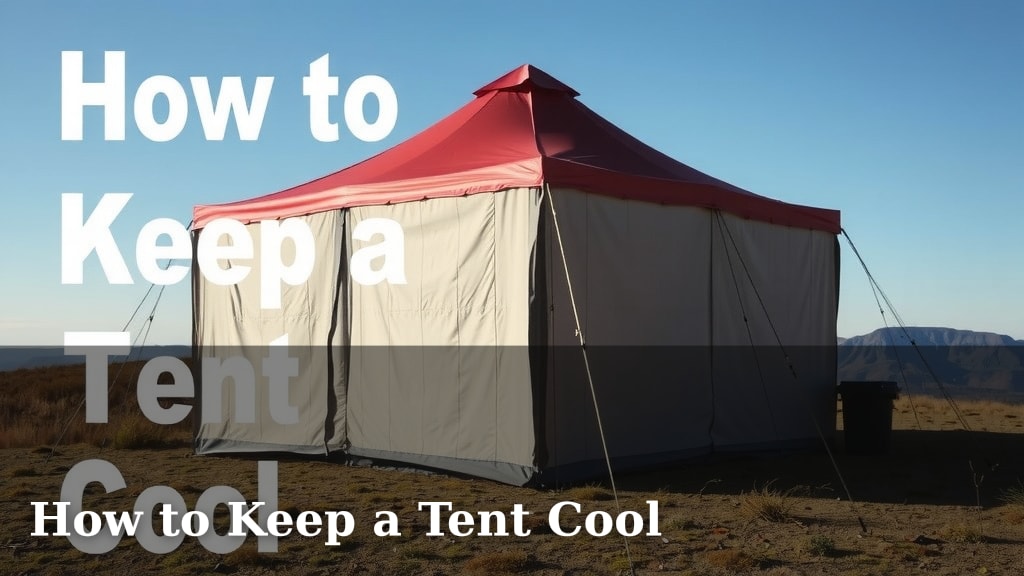
How to Keep a Tent Cool
Keeping your tent cool in the heat is totally possible! The easiest way is by controlling airflow and using reflective materials to reduce heat absorption. You can also choose your campsite wisely and select the right tent color and type. These methods help you beat the heat when camping.
Hot tents can make camping miserable. We’ve all been there, right? That stifling, stuffy feeling. Luckily, we found that a few simple tricks can make a big difference. Think of it as creating your own little shade haven. Preparing your campsite and tent setup is key for a comfortable outdoor experience, especially when temperatures rise. It’s about smart choices before and during your trip for maximum comfort.
- Ventilate: Open windows and doors.
- Shade: Use tarps or natural shade.
- Reflect: Cover tent with blankets.
- Location: Pick a shady spot.
- Gear: Choose lighter tent colors.
Below, we’ll walk you through exactly how to keep your tent cool on those warmer camping days. You’ll be sleeping soundly in no time!
Creating a Cooler Camping Environment
So, you’re looking to avoid that sauna-like experience in your tent. We get it! Keeping your tent cool is all about smart strategies. It’s not about magic, but about understanding how heat works and how to combat it. Let’s break down the best ways to make your camping shelter a refreshing retreat.
Harnessing the Power of Airflow and Shade
Airflow is your best friend when the temperatures climb. Good ventilation prevents hot air from getting trapped inside your tent. Think of it like breathing – your tent needs to breathe too!
Maximizing Tent Ventilation
Most modern tents come with built-in vents. You’ll want to make sure these are open. Many tents also have mesh windows and doors. Unzipping these allows for maximum air exchange. We found that leaving inner tent doors unzipped, while keeping the rainfly on, can create a great cross-breeze.
Consider the time of day. Open up your tent fully during cooler hours, like early morning and late evening. This lets the cool air in and pushes the warmer air out. Then, as the sun gets intense, you can partially close vents to manage airflow.
Strategic Shading Techniques
Direct sunlight is a major heat source. Protecting your tent from the sun’s rays is key. The simplest way is to pitch your tent in a naturally shaded area. Look for trees that offer a good canopy. This can make a huge difference, reducing the tent’s surface temperature significantly.
What if natural shade isn’t available? No worries, you can create your own! A separate tarp can be pitched over your tent. Angle it to block the sun during its hottest parts of the day. This acts like a portable roof, keeping the sun’s direct heat off your tent fabric. Many campers use reflective tarps for an added cooling effect.
Controlling Heat Absorption
The materials and colors of your tent play a role in how much heat it absorbs. Dark colors soak up more sun than lighter ones. This is basic science, but it’s super relevant for tent camping.
Tent Color and Material Matters
When buying a new tent, consider lighter colors like white, silver, or light tan. These colors reflect sunlight rather than absorbing it. Research suggests that lighter-colored surfaces can be up to 8 degrees Fahrenheit cooler than darker ones (EPA). So, choosing a lighter tent is an investment in your comfort.
Using Reflective Barriers
Even if your tent is darker, you can add a reflective barrier. A common and effective method is to drape a reflective emergency blanket or a light-colored sheet over your tent. This needs to be done carefully so it doesn’t block ventilation. You want to reflect the sun away, not trap heat underneath.
Make sure there’s a small air gap between your tent and the reflective cover. This gap allows heat to dissipate. You can achieve this by using poles or extra guy lines to create some space. We found that a simple emergency blanket secured with clothespins works wonders.
Smart Campsite Selection and Setup
Where you set up your tent is almost as important as the tent itself. A well-chosen spot can keep you significantly cooler.
Choosing the Right Location
Always look for shade. If you can’t find a spot under trees, consider the sun’s path. Pitch your tent so it faces away from the afternoon sun. Morning sun can be pleasant, but the afternoon heat can be brutal. Many experienced campers will orient their tent doors towards the east to catch the cooler morning air.
Think about water, too. Tents located near lakes or rivers might benefit from a slight cooling breeze. However, be mindful of dew and humidity. Also, avoid setting up in low-lying areas that can trap heat. Higher ground often has better air circulation.
Pitching Your Tent Wisely
When pitching, ensure your tent is taut. A slack tent can sag, creating pockets where hot air can linger. Using all the guy lines and stakes properly will help maintain the tent’s shape and promote airflow. This also makes your tent more stable in wind.
If you have a freestanding tent, consider angling it slightly. This can help catch any prevailing breezes. Some tents have vents that can be propped open even more with small stakes. Research suggests good airflow is paramount for preventing heat buildup (National Park Service).
Additional Cooling Tips and Tricks
Beyond the tent itself, a few extra steps can boost your comfort level.
Cooling Your Inner Sanctuary
Bring a battery-powered fan. Even a small fan can make a huge difference. Position it to create a gentle breeze inside your tent. Some fans are designed to clip onto tent poles, which is very convenient. This helps circulate air and provides a direct cooling sensation.
Consider a mister bottle filled with water. A quick spray can cool you down instantly. You can also lightly mist your sleeping bag before you get in. Another trick is to freeze water bottles. You can place these near you in your tent for a cool-down effect throughout the night.
Smart Sleeping Gear Choices
Your sleeping bag and pad contribute to your tent’s internal temperature. Opt for lighter sleeping bags with lower temperature ratings. A summer-weight bag or even just a liner is often sufficient. Many experts recommend using cotton sheets inside your sleeping bag for hot weather (REI).
Your sleeping pad can also trap heat. Look for pads with lower R-values, which indicate less insulation. This allows more heat to escape from your body. It’s all about finding that sweet spot between comfort and staying cool.
Quick Checklist for a Cooler Tent
- Choose a shaded campsite location.
- Ensure all tent vents and mesh windows are open.
- Pitch a tarp over your tent for extra shade.
- Use a light-colored or reflective cover on your tent.
- Bring a battery-powered fan for circulation.
- Opt for lightweight sleeping gear.
A Table of Tent Cooling Strategies
Here’s a quick comparison of different methods to help you choose what works best for your situation.
| Strategy | Effectiveness | Ease of Implementation | Best For |
|---|---|---|---|
| Ventilation | High | Easy | All situations |
| Shading (Natural) | Very High | Medium (site dependent) | Daytime heat |
| Shading (Tarp) | High | Medium | Open campsites |
| Reflective Cover | High | Easy to Medium | Direct sun exposure |
| Battery Fan | Medium | Easy | Still air conditions |
| Cooling Gear | Medium | Easy | Personal comfort |
Conclusion
Keeping your tent cool while camping is totally achievable with a few smart strategies. We’ve covered how maximizing airflow, creating effective shade, and controlling heat absorption can transform your camping experience. Remember that your campsite location and even your tent’s color play a role. By implementing these tips, you can ensure a comfortable and enjoyable time outdoors, even on the hottest days. Ready to beat the heat? Start by choosing a shaded spot for your next adventure!
Frequently Asked Questions
Will leaving my tent open all night cool it down?
Yes, leaving your tent open during cooler night hours is a great way to cool it down. This allows trapped heat to escape and cooler night air to circulate. You’ll want to ensure your mesh windows and doors are open, but consider keeping the rainfly on if there’s a chance of dew.
Can I make my existing dark-colored tent cooler?
Absolutely! You can significantly cool a dark tent by using a reflective cover. Drape a light-colored sheet or a reflective emergency blanket over your tent, making sure to leave an air gap between the cover and the tent fabric. This reflects sunlight away.
How much difference does a battery-powered fan really make?
A battery-powered fan can make a noticeable difference, especially in still air. While it won’t drastically lower the temperature, the circulating air provides a cooling sensation and helps prevent that stuffy feeling. Many campers find them essential for comfort.
Is it better to camp near water to stay cool?
Camping near water can offer a slight cooling effect, often due to breezes. However, be mindful that areas near water can also be more humid and experience heavier dew. You might find a spot slightly elevated from the water with good airflow offers the best of both worlds.
What kind of sleeping bag is best for hot weather camping?
For hot weather, opt for a summer-weight sleeping bag or one with a higher temperature rating. Many campers find a sleeping bag liner or even just a cotton sheet to be sufficient for comfort. The goal is to use gear that doesn’t trap excess body heat.
![7 Best Backpacking Tent For Elk Hunting [2026]](https://leonardhomeoutdoor.com/wp-content/uploads/2026/06/7-best-backpacking-tent-for-elk-hunting-2026-featured-768x432.jpg)
![7 Best Bell Tent For Glamping [2026]](https://leonardhomeoutdoor.com/wp-content/uploads/2026/08/7-best-bell-tent-for-glamping-2026-featured-768x432.jpg)